Quranic Answer
The Holy Quran, revered as the ultimate authority in Islam, places significant emphasis on ethical living and moral conduct. Within its profound verses, believers are urged to reflect on their actions, with a particular focus on the avoidance of hidden sins. These sins, often referred to as concealed or subtle wrongdoings, can lead individuals astray, distorting their moral compass and distancing them from divine guidance. The Quran sheds light on the ramifications of these hidden sins in a variety of contexts, warning against the ill effects they harbor on both the individual and society as a whole. One pivotal verse that encapsulates this principle is found in Surah Al-Baqarah, verse 188, where Allah commands, 'And do not consume one another's wealth unjustly...' This divine instruction conveys a clear message: the unlawful acquisition of wealth inflicts harm not solely on the victim, but also on the perpetrator's soul. The Quran's admonition reflects a broader ethical framework in which justice, fairness, and respect for others' rights are paramount. By adhering to this directive, believers not only cultivate a sense of community but also protect their own spiritual integrity. Hidden sins have a corrosive effect on the soul, gradually leading individuals away from the path of righteousness. It is a deceptive spiral; as one becomes accustomed to small transgressions, a desensitization to further sin occurs. This process is subtle yet pernicious, causing a gradual internal degradation that may go unnoticed until it is too late. The Quran addresses this reality in Surah Al-An'am, verse 120, stating, 'And when they hear what has been revealed to the Messenger, you see their eyes overflowing with tears...' This imagery evokes a profound sense of remorse and recognition of one's wrongdoings. To witness such emotional response signifies an awakening of the heart—a turning away from sin and a desire to embrace divine guidance once again. The will of Allah is to protect His servants from disillusionment in life, a fate that often stems from yielding to hidden sins. Engaging in wrongful acts quietly erodes an individual’s ability to enjoy the profound gifts that come with unwavering faith. The avoidance of hidden sins becomes a way of maintaining one's purity of heart and soul, ensuring that one remains connected to the Divine and true to the path laid out by the Quran. In addition to the aforementioned verses, Surah Al-Mu'minun, verse 3 accentuates the importance of steering clear of frivolous and harmful speech: 'And they who turn away from ill speech.' This verse underscores that the moral fabric of a society is intricately woven with the words and actions of its individuals. Sins of the tongue, including gossip, slander, and deceit, contribute to the overall degradation of ethical standards. Believers are called to elevate their discourse and conduct, thereby avoiding pitfalls that lead to hidden sins. The refrain from hidden sins not only serves individual moral development but aligns with a broader communal responsibility. When individuals in a community consciously act to rid themselves of hidden transgressions, they foster an environment conducive to spiritual growth and collective harmony. The absence of hypocrisy and its accompanying sins encourages a culture where honesty, integrity, and respect thrive. Moreover, the impact of hidden sins transcends worldly existence; it extends into the hereafter. The Quranic teachings imply that the consequences of our deeds do not falter at the grave but instead continue to shape our eternal destiny. Thus, refraining from engaging in hidden sins is essential for achieving not just spiritual peace but also the ultimate reward in the afterlife. In conclusion, the Quran persuasively argues for the avoidance of hidden sins as a fundamental aspect of a believer's life. These subtle acts may seem insignificant, yet their influence is profound and far-reaching. By adhering to the principles laid out in the Quran, individuals can enhance their faith, augment their good deeds, and align themselves with divine satisfaction. The journey of self-improvement and spiritual awakening necessitates vigilance against hidden sins, ensuring that one remains steadfast on the path to righteousness. Ultimately, it is through this commitment to ethical conduct that believers can realize their true potential, both in this world and the hereafter. The Holy Quran invites each of us to introspect, guiding us toward an existence steeped in justice, sincerity, and divine grace.
Related Verses
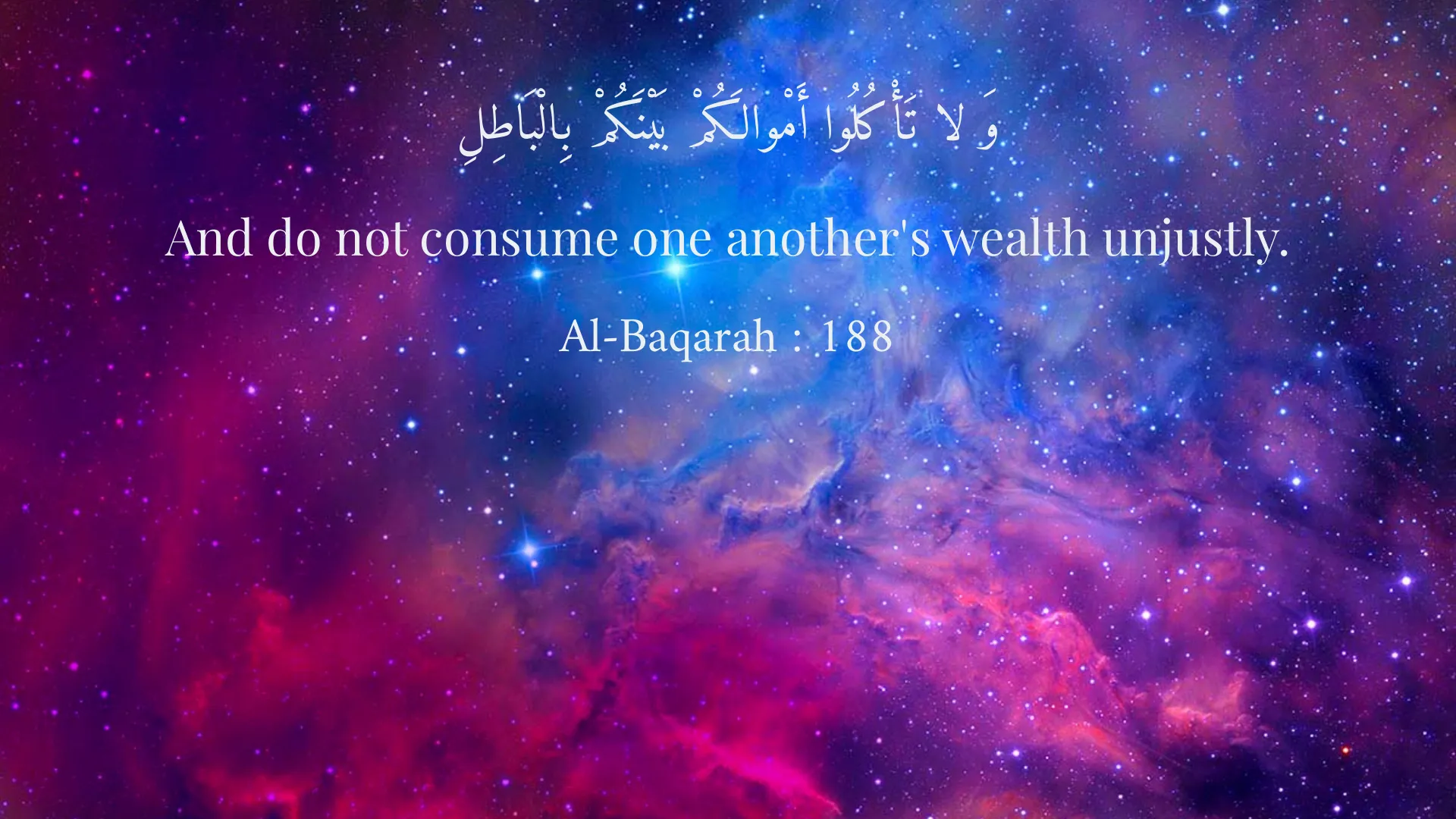
وَ لا تَأْكُلُوا أَمْوالَكُمْ بَيْنَكُمْ بِالْبَاطِلِ
And do not consume one another's wealth unjustly.
Al-Baqarah : 188
وَ إِذا سَمعُوا ما أُنزِلَ إِلَى الرَّسُولِ تَراهم أَعْيُنُهُمْ تَفِيضُ منَ الدَّمْعِ
And when they hear what has been revealed to the Messenger, you see their eyes overflowing with tears.
Al-An'am : 120
وَ الَّذِينَ هُمْ عَنِ اللَّغْوِ مُعْرِضُونَ
And they who turn away from ill speech.
Al-Mu'minun : 3
Short Story
One day, a man was reflecting on his hidden sins and how he could distance himself from them. Within him, there was a sense of regret, and he wished to fill his life with goodness and obedience to God. He decided to strengthen his connection with God through reading the Quran and praying. Soon, he felt that his life was moving toward betterment, and he had distanced himself from sins.