Quranic Answer
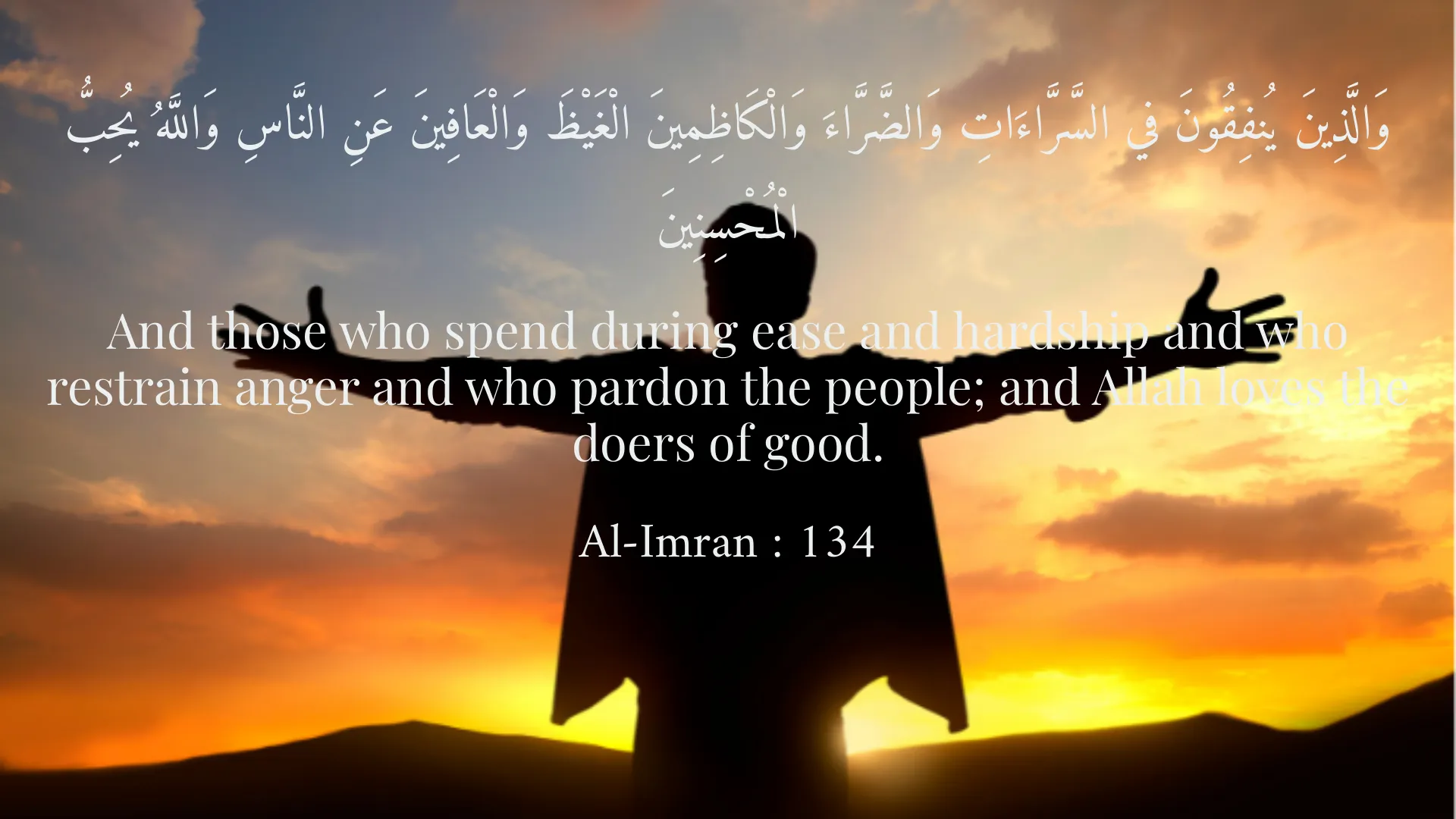
Controlling anger is a vital theme that permeates the teachings of the Holy Quran, serving as a guide for personal conduct and interpersonal relations. In an age where emotions can often dictate actions, the Quran provides timeless wisdom on maintaining composure, emphasizing that the ability to restrain one's anger and react with prudence is a hallmark of piety and righteousness. This article explores the significance of controlling anger in light of Quranic verses, considering broader implications on social interactions and personal well-being. ### The Importance of Controlling Anger in the Quran Anger is a natural human emotion that can arise from various stimuli such as frustration, disappointment, or perceived injustices. However, it is how individuals choose to react to their anger that shapes their character and impacts their relationships with others. The Quran offers profound insights into managing this emotion, particularly in the context of the qualities beloved to Allah. One of the key verses that highlight this principle is found in Surah Al-Imran (3:134), which states: "And those who spend during ease and hardship and who restrain anger and who pardon the people; and Allah loves the doers of good." This verse encapsulates several virtues that are essential for personal development and moral conduct. It illustrates that true righteousness encompasses a triad of characteristics: generosity in varying circumstances, the ability to control one’s anger, and the willingness to forgive others. ### Cultivating Patience and Resilience The act of refraining from expressing anger during challenging times is an indication of maturity and self-discipline. When individuals practice controlling their anger, they foster resilience against life’s adversities and cultivate patience. Patience, as emphasized in Islamic teachings, is not merely the absence of anger but an active form of restraint that underpins social harmony. In Surah Al-Mu’minun (23:96), Allah advises believers to respond to challenges with the best actions, stating: "And repel evil by that [good] which is best. And We are most Knowing of what they describe." This verse asserts that in moments when one’s emotions are heightened, the optimal response is to avoid confrontation and to instead engage in actions that are constructive and beneficial. By remaining silent and reflecting before speaking or acting, individuals can break the cycle of anger and hatred that may otherwise ensue. ### Avoiding Hasty Reactions Human interactions often lead to misunderstandings and conflicts. In these moments, a hasty reaction can exacerbate situations, leading to unforeseen consequences. Silence in these instances serves not only as a protective measure but also as a tool for self-reflection and resolution. Hasty reactions fueled by anger can result in damaged relationships, hurt feelings, and regret. The wisdom of the Quran guides individuals away from such pitfalls, urging them to pause, think, and choose their words carefully. Moreover, the idea of silence during anger is not synonymous with weakness or passivity; rather, it symbolizes strength and wisdom. It mirrors the ability to assess a situation critically, consider the potential outcomes, and choose a course of action that aligns with one's moral compass. Remaining silent allows one the opportunity to avoid unnecessarily harsh words or actions that might inflict harm on others or reflect poorly on oneself. ### Healthy Conflict Resolution Silence during moments of anger can also pave the way for healthier conflict resolution. In interpersonal relationships, both personal and professional, disagreement is an inevitable aspect of interaction. However, how conflicts are managed determines the durability and stability of those relationships. Silence acts as a buffer, allowing individuals the space to compose themselves and approach conflicts with a clearer mindset. Forgiveness, as highlighted in Surah Al-Imran, is another crucial element in resolving disputes. The readiness to forgive those who may have wronged us is an essential trait that promotes peace and reconciliation. This process begins with managing one’s anger and approaching the situation with empathy rather than hostility. By choosing to forgive, individuals free themselves from the burdens of resentment and anger, enabling them to move forward more positively. ### The Psychological Benefits of Managing Anger Controlling anger has considerable psychological implications. Anger, when left unchecked, can lead to a variety of mental health issues, including anxiety, depression, and stress. Recognizing and controlling this emotion, as advocated in the Quran, can enhance emotional well-being and lead to a more peaceful state of mind. Practicing self-restraint and silence during moments of rage not only aligns with spiritual teachings but also promotes mindfulness, leading to greater self-awareness and emotional intelligence. Mindfulness — the practice of being present and fully engaged in the moment — encourages individuals to observe their emotions without immediate reactions. This practice is deeply in line with the Quranic guidance of engaging thoughtfully rather than reactively. ### Conclusion In summary, the teachings of the Quran emphasize the importance of controlling anger and advocating for silence during moments of emotional turmoil. Verses such as those in Surah Al-Imran and Surah Al-Mu'minun not only highlight the virtues of patience, forgiveness, and careful action but also extend their relevance to contemporary life and its challenges. In cultivating these qualities, individuals can navigate their relationships more effectively, enhance their emotional health, and reflect the moral principles of Islam in their daily conduct. Ultimately, the courage to control anger and embrace silence serves as a powerful tool in fostering both personal growth and harmonious social interactions.
Related Verses
وَالَّذِينَ يُنفِقُونَ في السَّرَّاءَاتِ وَالضَّرَّاءَ وَالْكَاظِمِينَ الْغَيْظَ وَالْعَافِينَ عَنِ النَّاسِ وَاللَّهُ يُحِبُّ الْمُحْسِنِينَ
And those who spend during ease and hardship and who restrain anger and who pardon the people; and Allah loves the doers of good.
Al-Imran : 134
فَصُدُّوا بِالَّذِي هُوَ أَحْسَنُ
So respond with that which is best.
Al-Mu'minun : 96
Short Story
Once upon a time in a village, a man became angry at his neighbor's behavior. He initially decided to confront his neighbor but suddenly remembered the verses of the Quran and chose to remain silent. After some time, the neighbor apologized, and they spoke amicably again. The man prevented a misunderstanding and preserved their friendship by choosing silence.