Quranic Answer
Respecting human beings is a fundamental moral principle in Islam, which is addressed in the verses of the Quran. This core tenet governs the interactions between individuals and communities, promoting an environment of mutual understanding and generosity. In particular, Surah Al-Hajj, verse 77, provides believers with clear guidance: Allah instructs them to engage in good deeds and emphasizes the importance of respecting one another. This directive is not simply a suggestion but a divine mandate that underscores the ethical framework within which Muslims are expected to operate. Respecting others is a value that transcends religious boundaries and is deeply entrenched in the fabric of many cultures worldwide. Almost every religion promotes the idea of treating others with dignity and kindness, recognizing that the way we interact with each other reflects our moral character. This universal principle of respect contributes significantly to forming the bedrock of civil society and promotes harmonious coexistence. The notion of respect is foundational for building a just and equitable society. When respect is prevalent, the dynamics of human relationships undergo a profound transformation. Communities characterized by mutual respect experience stronger ties among their members, paving the way for enhanced solidarity and unity. This unity is critical in today’s diverse global landscape, where people from different backgrounds, ethnicities, and beliefs come together. By fostering an atmosphere of respect, individuals can work collaboratively toward common goals, irrespective of their differences. Moreover, the Quran also imparts wisdom through Surah Luqman, verse 18, where Allah reminds us to avoid self-praise and to honor others. This verse explicitly directs individuals to maintain humility while uplifting those around them. By recognizing and appreciating the contributions and worth of others, people can cultivate a culture of mutual admiration and support. In a society where individuals are constantly honored and valued, a sense of belonging flourishes. This sense of belonging encourages individuals to strive for excellence, as they feel respected and valued for their unique identities and perspectives. Empathy, rooted in respect, is a vital element for nurturing social bonds. Empathy requires individuals to put themselves in another person's shoes, allowing them to understand the experiences and challenges faced by others. This understanding leads to compassionate actions and the promotion of a supportive community that strives for collective growth and well-being. When individuals show respect to others, they find common ground, fostering increased love and understanding among people. In contrast, a lack of respect can lead to conflict, division, and hostility, hindering social progress. Respecting others also has profound implications for personal development. Individuals who practice respect cultivate qualities such as kindness, patience, and tolerance. These attributes not only enhance one’s character but also contribute to the overall well-being and mental health of individuals. A respectful approach can diminish feelings of isolation and anxiety, allowing individuals to thrive within their communities. Furthermore, respect begets respect; when individuals extend respect to others, they are more likely to receive it in return, creating a positive feedback loop that strengthens social bonds. In addition to its moral implications, respect plays a critical role in various aspects of society, including the workplace, education, and family life. In professional environments, respectful interactions lead to enhanced teamwork, productivity, and creativity. Employees who feel respected are more likely to contribute positively to their workplace and remain committed to their organizations. In the educational sector, fostering an environment of respect between teachers and students promotes an open-minded learning atmosphere where students feel safe to express their thoughts and ideas, thereby enhancing academic outcomes. The significance of respect in family life is similarly profound. Family is often the first institution where individuals learn about values, including respect. By instilling the importance of respect from an early age, families can shape their children into compassionate and understanding adults. This foundational respect within family units can have ripple effects, extending to the broader community and influencing future generations. Children who learn to value respectful interactions are more likely to become adults who contribute positively to society. Moreover, respecting others cultivates a deeper appreciation for diversity. In today’s multicultural world, acknowledging, valuing, and respecting differences can lead to richer interactions and mutual learning experiences. By embracing diversity with respect, individuals can break down barriers and challenges posed by prejudice and discrimination. Cultivating respect for one another’s backgrounds, beliefs, and traditions fosters cross-cultural dialogue and collaboration, leading to a more inclusive and peaceful society. In conclusion, respecting human beings is not merely a guideline in Islam; it is a fundamental principle embedded within the teachings of many religions and cultures worldwide. The verses of the Quran illuminate the significance of mutual respect, emphasizing that this adherence enriches human relationships and strengthens social fabric. As societies strive for progress and cohesion, instilling respect in interactions becomes paramount. Mutual respect not only enhances empathy and solidarity among individuals but also lays the groundwork for personal growth and flourishing communities. Ultimately, respect is a pivotal force that unites humanity, fostering deeper connections that can transcend barriers and transform societies for the better.
Related Verses
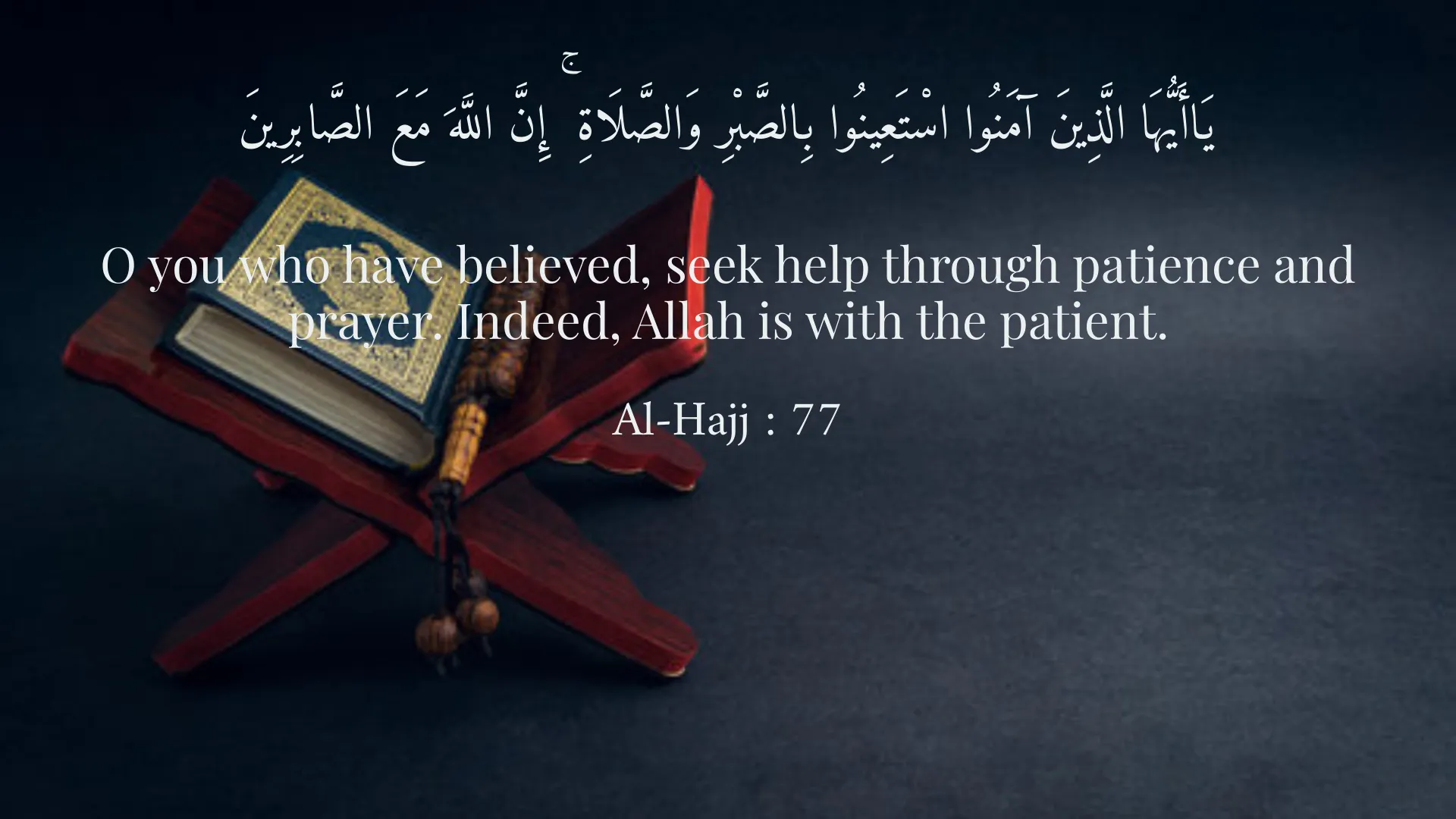
يَاأَيُّهَا الَّذِينَ آمَنُوا اسْتَعِينُوا بِالصَّبْرِ وَالصَّلَاةِ ۚ إِنَّ اللَّهَ مَعَ الصَّابِرِينَ
O you who have believed, seek help through patience and prayer. Indeed, Allah is with the patient.
Al-Hajj : 77
وَلَا تُصَعِّرْ خَدَّكَ لِلنَّاسِ وَلَا تَمْشِ فِي الْأَرْضِ مَرَحًا ۚ إِنَّ اللَّهَ لَا يُحِبُّ كُلَّ مُختَالٍ فَخُورٍ
And do not turn your cheek [in contempt] toward people and do not walk through the earth exultantly. Indeed, Allah does not like every self-deluded person.
Luqman : 18
Short Story
One day, a man named Hassan was walking in the market, observing how people interacted with one another. He noticed that some people treated each other with disregard and coldness. Remembering the verses of the Quran, Hassan decided to embody kindness and respect in his own life. Every day, he made an effort to respect others and interacted with them in a benevolent manner. The blossoming of love and friendship among the people was a result of Hassan's behavior.