Quranic Answer
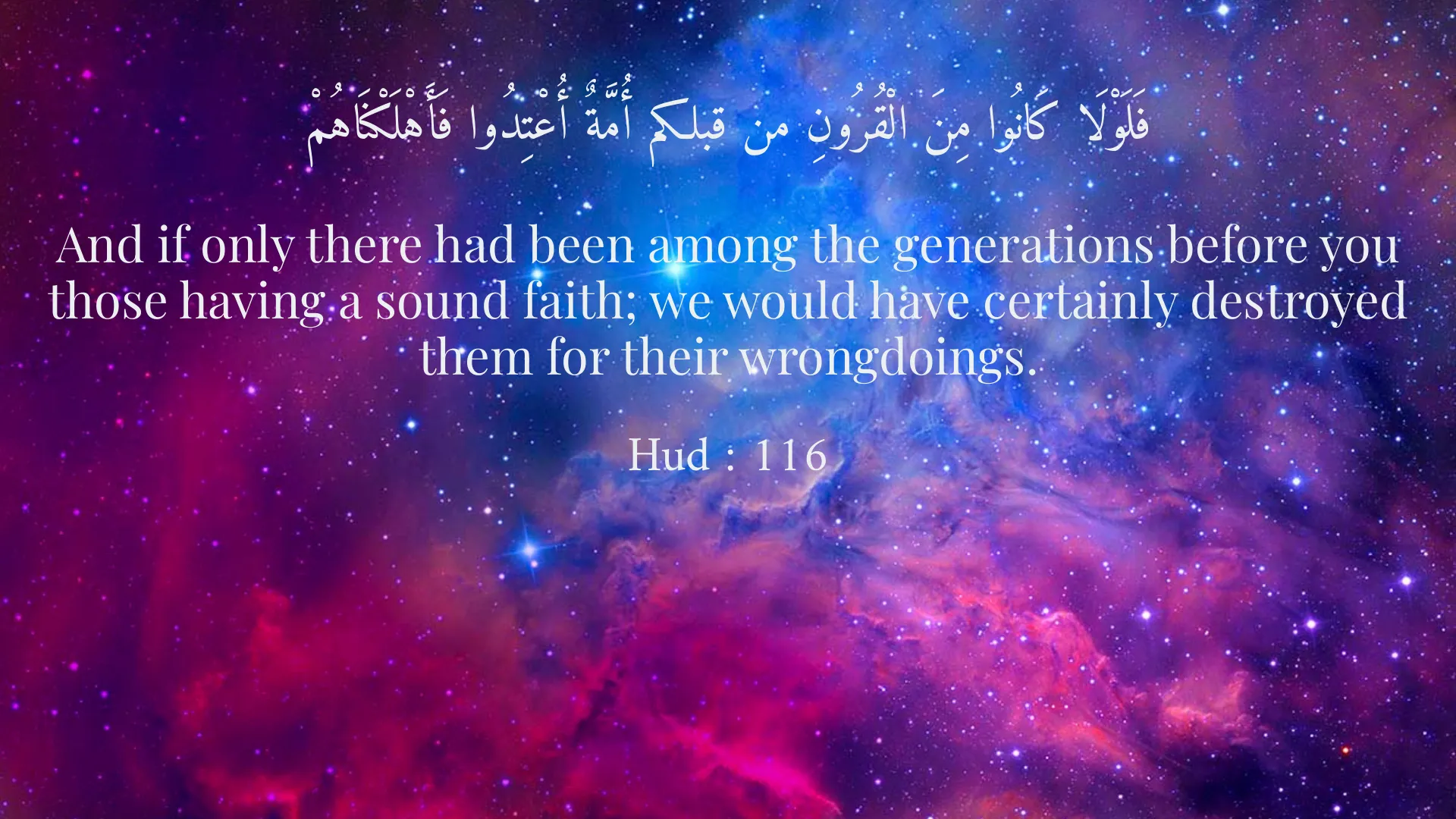
Respecting the efforts of others is fundamentally one of the ethical principles in any society. The Quran emphasizes the importance of mutual respect repeatedly, and this theme resonates across various cultures and religious traditions. In our increasingly interconnected world, where diversity and collaboration are essential for progress, recognizing and valuing the contributions and efforts of others has never been more crucial. ### Introduction to Ethical Principles Ethical principles form the backbone of any society, shaping the way we interact with one another. Among these principles, respect is paramount. It is the foundation upon which relationships—be they personal, professional, or societal—are built. Respecting others' efforts fosters an environment of trust, collaboration, and shared purpose, driving communities toward collective success. ### Mutual Respect in the Quran The Quran, a central religious text for Muslims, places immense emphasis on the concept of respect. In Surah Hud, verse 116, Allah reminds us of the importance of recognizing and appreciating the efforts of those who came before us: "And if only there had been among the generations before you those having a sound faith; we would have certainly destroyed them for their wrongdoings." This verse underscores the significance of acknowledging both past and present struggles, invoking a sense of gratitude towards those who have paved the way for our current circumstances. By respecting the accomplishments of our predecessors and our contemporaries, we cultivate an understanding that contributions—even if they appear minor at first glance—play a vital role in the greater tapestry of society. Each person's struggle contributes to a collective narrative that embodies our shared human experience. ### The Implications of Respect Respecting the efforts of others is not just a rhetorical ideal; it has practical implications in our daily lives. By honoring the hard work of those around us, we strengthen our relationships and create a sense of solidarity and empathy within our communities. This becomes particularly important when considering the myriad challenges individuals face, often in solitude. Recognizing these struggles helps to diminish feelings of isolation and encourages a culture of support, where individuals feel valued and understood. In the workplace, mutual respect is a cornerstone of effective teamwork. Employees who feel respected are often more motivated, engaged, and productive. They are likely to contribute more innovative ideas and work collaboratively to overcome obstacles. Furthermore, fostering respect in this environment can lead to higher job satisfaction and retention, as people are naturally drawn to environments where their contributions are acknowledged and appreciated. ### Spiritual and Moral Dimensions Beyond the practical consequences of respect is its spiritual and moral dimension. In Surah Al-Imran, verse 195, the Quran states, "And do not lose hope in your good deeds," reinforcing the belief that every effort, no matter how small, holds significance. This implies that all forms of hard work deserve recognition. It helps instill a sense of purpose and direction in individuals, encouraging them to continue striving for their goals despite challenges. In a broader context, such acknowledgments not only uplift individuals but also contribute to a more harmonious society. When people feel validated in their efforts, they are more likely to extend this kindness and respect to others, creating a chain reaction of positivity and encouragement. The sense of hope that stems from respecting one another's contributions can have profound effects on community dynamics, prompting individuals to act with kindness and generosity. ### The Role of Empathy Empathy plays a critical role in respect. To truly appreciate someone else's efforts involves understanding their circumstances, challenges, and emotions. Empathetic individuals can offer support and recognition that transcends superficial acknowledgment. By listening to personal stories and experiences, we cultivate deeper connections with others, thereby enriching our social fabric. Moreover, empathy allows us to comprehend the broader context of an individual's struggle. Sometimes, a person’s efforts may go unnoticed simply because we lack insight into their journey. By making an effort to understand another’s situation, we can promote a culture of recognition and appreciation, which is essential for fostering inclusive communities. ### Cultivating a Culture of Respect Building a culture of respect requires intentional action. It starts from the individual level, with each person making a conscious effort to acknowledge and appreciate the efforts of others. Simple acts such as expressing gratitude, giving constructive feedback, and recognizing achievements—no matter how small—can create an atmosphere where respect flourishes. Educational institutions, workplaces, and community organizations play a vital role in instilling respect as a core value. By incorporating practices that encourage appreciation, such as recognition programs or collaborative projects, these entities can demonstrate the importance of mutual respect and create environments where all contributions are celebrated. ### Conclusion In summary, respecting the efforts of others is not only a moral act but also contributes to our personal and collective growth. Acknowledging the hard work of those around us leads to stronger relationships, increased motivation, and a greater sense of community. The Quran, alongside numerous other moral philosophies, advocates for the recognition of each individual's contributions, urging us to be mindful of the struggles and triumphs that shape our society. By fostering respect and empathy, we can create a more united and compassionate world, one where everyone's efforts are honored and appreciated.
Related Verses
فَلَوْلَا كَانُوا مِنَ الْقُرُونِ من قبلكم أُمَّةٌ أُعْتِدُوا فَأَهْلَكْنَاهُمْ
And if only there had been among the generations before you those having a sound faith; we would have certainly destroyed them for their wrongdoings.
Hud : 116
وَلَا تُضِيعُوا أَعْمَالَكُمْ
And do not lose hope in your good deeds.
Al-Imran : 195
Short Story
Once upon a time, there was a man named Hossein who lived in a small village. Hossein always appreciated the efforts of others and never forgot to express a beautiful sentence: "Every success is the fruit of others' efforts." Over time, this attitude spread throughout the village, and a greater sense of unity and love emerged among the people.