Quranic Answer
In the Holy Quran, love and kindness are not just suggestions; they are foundational principles that guide the lives of Muslims. With numerous verses emphasizing the importance of compassion and empathy, the Quran paints a vivid picture of the human experience rooted in love for one's fellow beings. One of the striking examples comes from Surah Al-Ma'idah, verse 54, where Allah states, 'O you who have believed, whoever of you should revert from his religion – Allah will bring forth for the people whom He will love and who will love Him.' This verse serves as a powerful reminder that love and friendship are core elements of our humanity and fundamental to our faith. This concept of love extends beyond mere emotional attachments; it encourages believers to actively foster relationships centered on respect, empathy, and kindness. In a world rife with conflict and division, the teachings of the Quran remind us that caring for the hearts of others is indispensable not only for individual spiritual growth but also for the collective well-being of the community. In essence, nurturing one another's feelings and providing emotional support can significantly enhance social bonds and contribute to a more harmonious society. The Quran repeatedly stresses the idea that the act of caring for others transcends religious obligations; it is a pathway towards building a healthy and loving community. When individuals show kindness, especially during challenging times, it has a profound impact not only on the beneficiaries but also on the givers. Take, for instance, the scenario of a friend dealing with a personal crisis. By extending love and care towards them, be it through simple gestures like offering words of encouragement or more substantial acts such as providing physical support, we can substantially improve their emotional state. Scientific research supports this notion, asserting that acts of kindness foster a reciprocal cycle of goodwill that enhances both the giver's and receiver's mental health and overall happiness. Moreover, the Quran reinforces the concept of good deeds in verse 60 of Surah Al-Mu'minun, stating 'the good deed you do will be rewarded.' This powerful declaration not only serves as a motivation for individuals to be benevolent but also acts as a guide for Muslims to engage more deeply in acts of goodness towards one another. It illustrates the idea that each kind action, no matter how small, is instrumental in enriching the community's fabric and nurturing a culture of love and appreciation. Understanding love and kindness as paramount virtues leads to a more compassionate approach to the challenges faced in everyday life. Whether it’s in moments of joy or sorrow, extending these virtues can create ripples of positivity that elevate the collective well-being of society. Furthermore, it encourages individuals to share their resources and talents freely, fostering an environment where everyone can thrive. Throughout history, countless examples can be observed where love and kindness were instrumental in altering the course of events. From acts of charity that provided food during famines to initiatives aimed at inclusion and social justice, the impact of fostering love among individuals and communities cannot be overstated. These acts are reflections of our deeper human consciousness that seeks to connect, uplift, and support one another, creating a legacy that survives beyond generations. As Muslims, the teachings of the Holy Quran challenge us to embody these values in our day-to-day interactions, urging us to spread kindness wherever we go. It's about recognizing the spiritual reward attached to these actions, seeing kindness as a powerful tool for communal improvement and personal fulfillment. In this light, the Quran encourages believers to engage in self-reflection regarding how they treat others and continuously seek opportunities to embody the principles of love and kindness. The ramifications of embracing love and kindness are profound. The ripple effects of our actions can create communities filled with understanding and harmony, where people feel supported and valued regardless of their background or beliefs. In a time when the world faces unprecedented challenges, these Quranic values serve as vital tools in the quest for peace, inclusion, and collective progress. In conclusion, love and kindness serve as cornerstones of Islamic principles as outlined in the Holy Quran. By taking care of others' feelings, extending compassion, and engaging in acts of kindness, we do not merely fulfill a religious duty; we enrich our lives and the lives of those around us. The teachings of the Quran remind us of our responsibilities toward one another, urging us to foster deeper connections, build stronger communities, and ultimately contribute to the nurturing of a world that honors love and kindness as paramount virtues. Let this divine guidance inspire not just individual practices, but a global movement towards a more compassionate society filled with understanding and mutual respect.
Related Verses
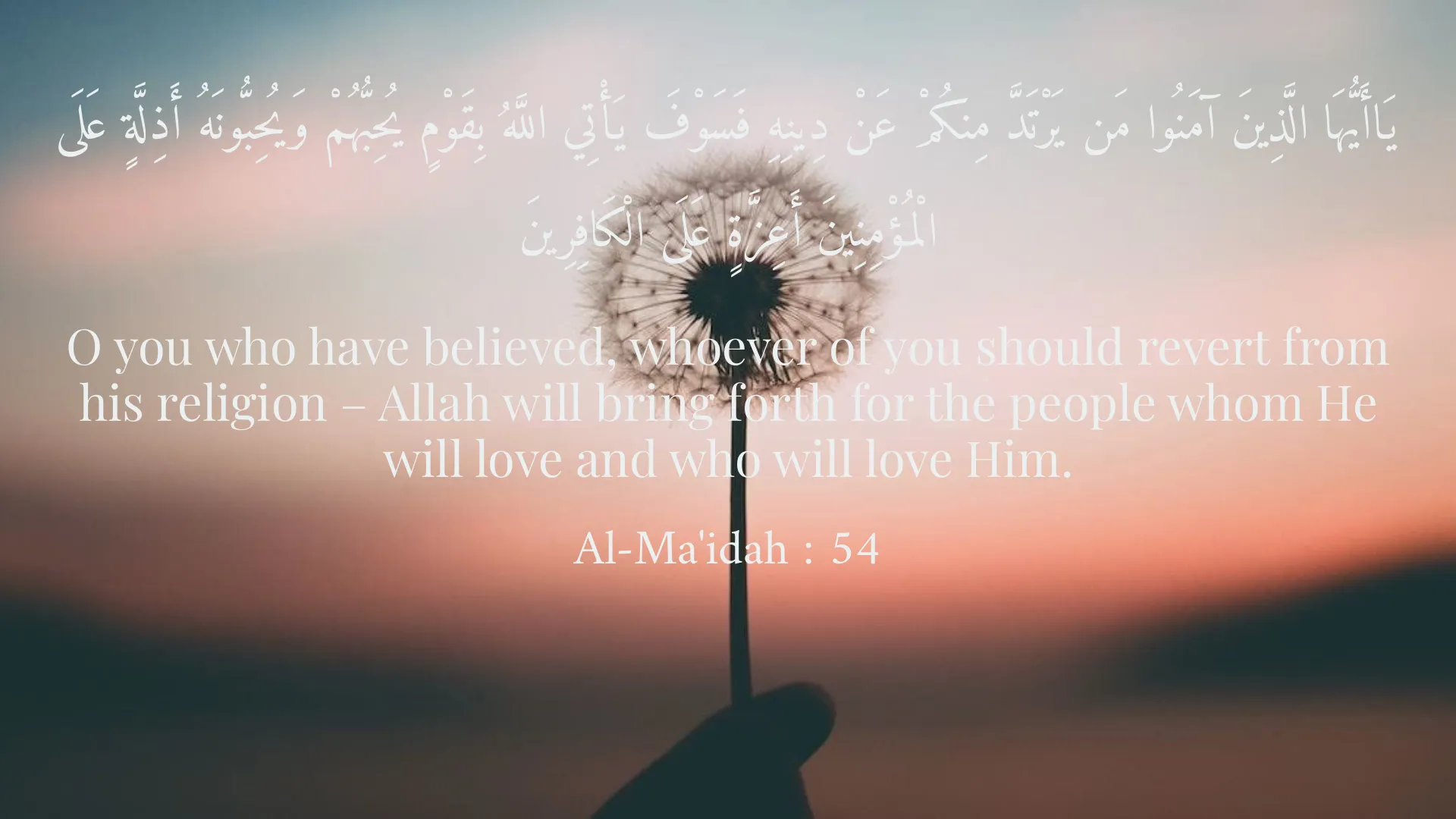
يَاأَيُّهَا الَّذِينَ آمَنُوا مَن يَرْتَدَّ مِنكُمْ عَنْ دِينِهِ فَسَوْفَ يَأْتِي اللَّهُ بِقَوْمٍ يُحِبُّهُمْ وَيُحِبُّونَهُ أَذِلَّةٍ عَلَى الْمُؤْمِنِينَ أَعِزَّةٍ عَلَى الْكَافِرِينَ
O you who have believed, whoever of you should revert from his religion – Allah will bring forth for the people whom He will love and who will love Him.
Al-Ma'idah : 54
وَالَّذِينَ يُؤْتُونَ مَا آتَوْا وَقُلُوبُهُمْ وَجِلَةٌ أَنَّهُمْ إِلَى رَبِّهِمْ رَاجِعُونَ
And those who give what they give while their hearts are trembling because they will be returning to their Lord.
Al-Mu'minun : 60
Short Story
One day, Ali was wandering in the street when he noticed two of his friends had a fight. He decided to mediate between them. With love and kindness, he listened to both sides and tried to ease their grievances. After a bit of conversation, they realized it was a misunderstanding and became good friends again. This experience reminded Ali of how important it is to take care of others' hearts.