Quranic Answer
The concept of rights within the framework of Islam is pivotal for fostering a harmonious society, and the Holy Quran serves as the cornerstone in outlining the respect and rights owed to all individuals. The rights of people, as elucidated in the Quran, emphasize the significance of justice, equality, and solidarity among members of the community. The Quran is persuasive in its counsel to believers about the criticality of upholding the rights of others, emphasizing that even the slightest disregard for justice can have profound implications. This discourse delves into the fundamental principles of human rights as presented in the Quran, exploring their relevance in contemporary society while highlighting passages that serve as moral compasses in our interactions with one another. The Holy Quran acknowledges the intrinsic dignity of every human being, regardless of their social, economic, or racial background. The right to justice and fair treatment is paramount and is enshrined in multiple verses throughout the text. In Surah An-Nisa, verse 135, Allah commands the believers to stand firm in justice and to become witnesses for the truth. The verse elaborates: "O you who have believed, be persistently standing firm in justice, witnesses in justice, or witnesses to Allah, even if it be against yourselves..." This remarkable injunction reflects the utmost importance of impartiality and integrity in one’s actions. Even if the truth may implicate oneself or those dear to them, the call for justice takes precedence. This divine instruction underscores the moral and ethical values cultivated through the adherence to justice—values that must be embedded in the social fabric of any community. The Quran does not merely encourage justice; it demands it as a divine requirement. Upholding rights is shown to extend beyond mere compliance with legal mandates; it represents a commitment to moral responsibilities that foster mutual respect and trust among individuals. Further reinforcing this notion of justice, Surah Al-Maidah, verse 8 urges Muslims to be steadfast and trustworthy, emphasizing: "O you who have believed, be persistently standing firm in justice, witnesses for Allah..." This verse serves as an exhortation for believers to maintain fairness in their dealings, to act with integrity, and to guard the rights and trusts that are entrusted to them. Such principles demonstrate that the Quran promotes not only a legal framework for justice but also a moral one, suggesting that rights are an embodiment of ethical conduct that elevates the community as a whole. When adapting these teachings to our modern context, it is vital to recognize the implications of justice and people’s rights in a world that often grapples with inequalities and injustices. Challenges such as discrimination, poverty, and social imbalances necessitate a deep-rooted commitment to the principles set forth in the Quran. As believers, the message compels us to act as guardians and protectors of one another's rights, creating a landscape of accountability and cooperation that can counteract societal discord. Moreover, the significance of human rights as articulated in the Quran lays a foundation for a society where mutual respect prevails. Living in a community that celebrates each person’s inherent rights fosters an atmosphere of peace and friendship. When members of a society honor the rights of their neighbors, they contribute to a culture of empathy and support that transcends cultural and religious barriers. However, understanding and implementing these rights requires more than mere acknowledgment; it necessitates active engagement and a desire to amplify the voices of the marginalized. The Quran’s emphasis on justice implies a call to action, urging us to challenge any inequities we observe within our environments. It can be easy to turn away from discomforting truths or injustices within society, but the Quran calls on individuals to confront these issues head-on, learner to become advocates for the oppressed. Furthermore, the principles of justice and rights outlined in the Quran align with universal human rights movements. By referencing both divine instruction and contemporary human rights frameworks, we can create an inclusive discourse that resonates with diverse communities. It promotes not only the notion of justice as a divine command but also as a universal need—one deeply rooted in humanity's collective conscience. In conclusion, the rights of people as dictated by the Quran profoundly shape our interactions and behaviors within society. They serve as a reminder of the ethical responsibilities that accompany our existence as social beings. Upholding these rights and striving for justice empowers individuals to build resilient communities characterized by dignity and respect. The teachings found in the Holy Quran guide us toward a path of ethical living, urging us to embrace a culture that values the rights of others as equal to our own. By committing to these principles, each of us plays a role in cultivating peace and fostering friendships among community members. In doing so, we not only fulfill our spiritual obligations but also contribute to a world imbued with compassion and justice.
Related Verses
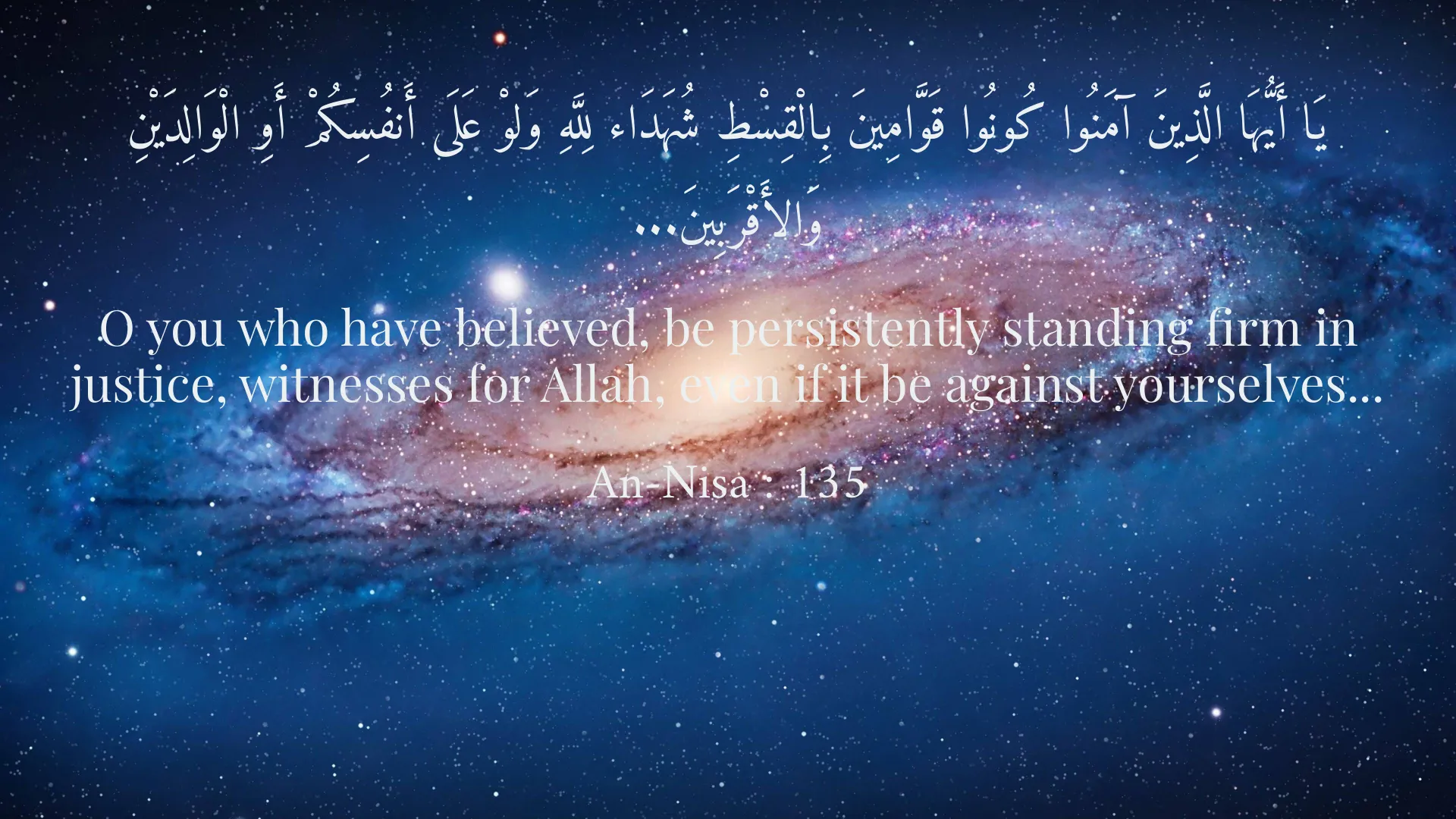
يَا أَيُّهَا الَّذِينَ آمَنُوا كُونُوا قَوَّامِينَ بِالْقِسْطِ شُهَدَاء لِلَّهِ وَلوْ عَلَى أَنفُسِكُمْ أَوِ الْوَالِدَيْنِ وَالأَقْرَبِينَ...
O you who have believed, be persistently standing firm in justice, witnesses for Allah, even if it be against yourselves...
An-Nisa : 135
يَا أَيُّهَا الَّذِينَ آمَنُوا كُونُوا قَوَّامِينَ لِلَّهِ شُهَدَاء بِالْقِسْطِ وَلَا يَجْرِمَنَّكُمْ شَنَآنُ قَوْمٍ عَلَى أَلَّا تَعْدِلُوا...
O you who have believed, be persistently standing firm in justice, witnesses for Allah...
Al-Maidah : 8
Short Story
Once upon a time in a village, a man named Hassan thought about organizing a meeting to discuss the rights of individuals in his community. He realized that many people had forgotten each other's rights. Therefore, he decided to first embody the ideal of a faithful person. He invited people to participate in this meeting and reminded them of the Quranic verses concerning people's rights. Gradually, people began to recognize the importance of upholding these rights and started to change their behaviors. Eventually, with their help, Hassan was able to create a community that respected each other’s rights.