Quranic Answer
In the Holy Quran, Allah emphasizes the significance of avoiding sins and the ramifications they bear on both personal and communal levels. The Quran serves as a guide for Muslims, leading them to reflect deeply on their actions and the eventual outcomes of those choices. Sin, in the context of Islamic teachings, is not merely a violation of religious laws; rather, it embodies actions that can have profound socio-emotional consequences. In this essay, we will explore the ripple effect of sin through scriptural teachings, underscore its ramifications, and highlight the importance of self-reflection and accountability in our daily lives. The Quran frequently addresses the consequences of sin, illustrating the severity and implications such actions carry. Surah Al-Baqarah, verse 81, succinctly states, "Indeed, those who disbelieve and commit sins, they are the losers in this world." This powerful assertion does more than denote mere loss. It implies a comprehensive understanding of failure—not just in spiritual terms, but in social and psychological dimensions. Sins distance individuals from the mercy and guidance of Allah, leading to a myriad of adverse consequences, including feelings of regret, isolation, and despair. Sin complicates interpersonal relationships, which are central to communal living in Islam. The Quran teaches that our actions have a cascading effect on the people around us. When individuals engage in wrongdoing, they not only jeopardize their own spiritual journey but also disrupt the harmony of the community. This disruption can lead to a breakdown in trust, increased conflict, and a general sense of discontent. Hence, it highlights the intertwining nature of our deeds and the collective wellbeing of society. The interconnectedness of individual actions and societal outcomes calls for the utmost caution in our daily choices. Moreover, sin has significant implications for mental well-being. Those who persist in sinful actions often find themselves caught in cycles of guilt and anxiety. Without the proper remedy of repenting and seeking forgiveness, individuals can face an emotional turmoil that hinders their personal growth and overall happiness. The Quran emphasizes the importance of self-evaluation, encouraging believers to examine their actions and the emotions accompanying them. This reflective practice is not just a spiritual exercise but an essential step toward emotional intelligence and mental health. Surah At-Talaq, verse 2 mentions: "So whoever fears Allah - He will make for him a way out." This verse highlights that the act of fearing Allah and abstaining from sinful intentions provides a pathway to salvation and comfort during life's adversities. It serves as a reminder that adhering to the principles of righteousness not only keeps individuals away from the snares of sin but also affords them resilience in facing challenges. The divine promise that comes with piety and moral conduct offers believers a sense of hope amid struggles, encouraging them to uphold good virtues and steer clear of negativity. The process of reflecting on past actions inherently encourages personal growth. Regret can be a powerful teacher, motivating individuals to transform their lives and pursue a more righteous path. The Quran advocates for the idea that while one may stumble, the ability to reflect, repent, and rectify is crucial. The culture of accountability—both to oneself and to society—is embraced within Islamic teachings. Believers are encouraged to share their moments of weakness openly, fostering an environment where growth and improvement are attainable goals. Furthermore, it is paramount to recognize the significance of pursuing good deeds as a counterbalance to sinful inclinations. The Quran advocates for actions that promote compassion, honesty, and respect for others. Engaging in charitable acts, assisting those in need, and promoting peaceful interactions are ways through which individuals can elevate their socio-spiritual standing. Such endeavors serve to diminish the weight of sins through a proactive commitment to goodness, thereby nurturing a more sound and just society. The idea of accountability does not merely end at the individual level; it extends to the entire community. Families, institutions, and social groups are all implicated in the cycle of accountability. When individuals collectively engage in self-awareness and responsibility, they foster a culture that holds itself to higher ethical standards. This community-wide commitment to morality serves as a collective bulwark against the pervasiveness of sin and transgression. As we navigate the complexities of life, the importance of recognizing the effects of sin becomes increasingly apparent. Acknowledging that our actions hold weight—a weight that can alter not only our destinies but those of our loved ones and communities—instills a greater sense of purpose in our quests for improvement. Reflecting on sin is not an exercise in futility; rather, it is an invitation to pursue more honorable paths that contribute to both personal and societal success. In conclusion, the Quran's focus on the effects of sin extends beyond spiritual teachings—it encompasses the full spectrum of human experience. From the creation of social bonds to the cultivation of emotional stability, the consequences of sin are profound. By engaging in thoughtful reflection on our actions, seeking forgiveness when necessary, and committing ourselves to the practice of good deeds, we not only strive toward greater faith but also enhance our communal and individual well-being. By recognizing the seriousness of sin and its consequences, we are equipped to embark on a journey that reflects accountability, resilience, and profound personal growth, ultimately leading us toward a more fulfilling and harmonious existence. This understanding enriches our lives while promoting kindness and empathy within our interactions—essential facets of a cohesive community.
Related Verses
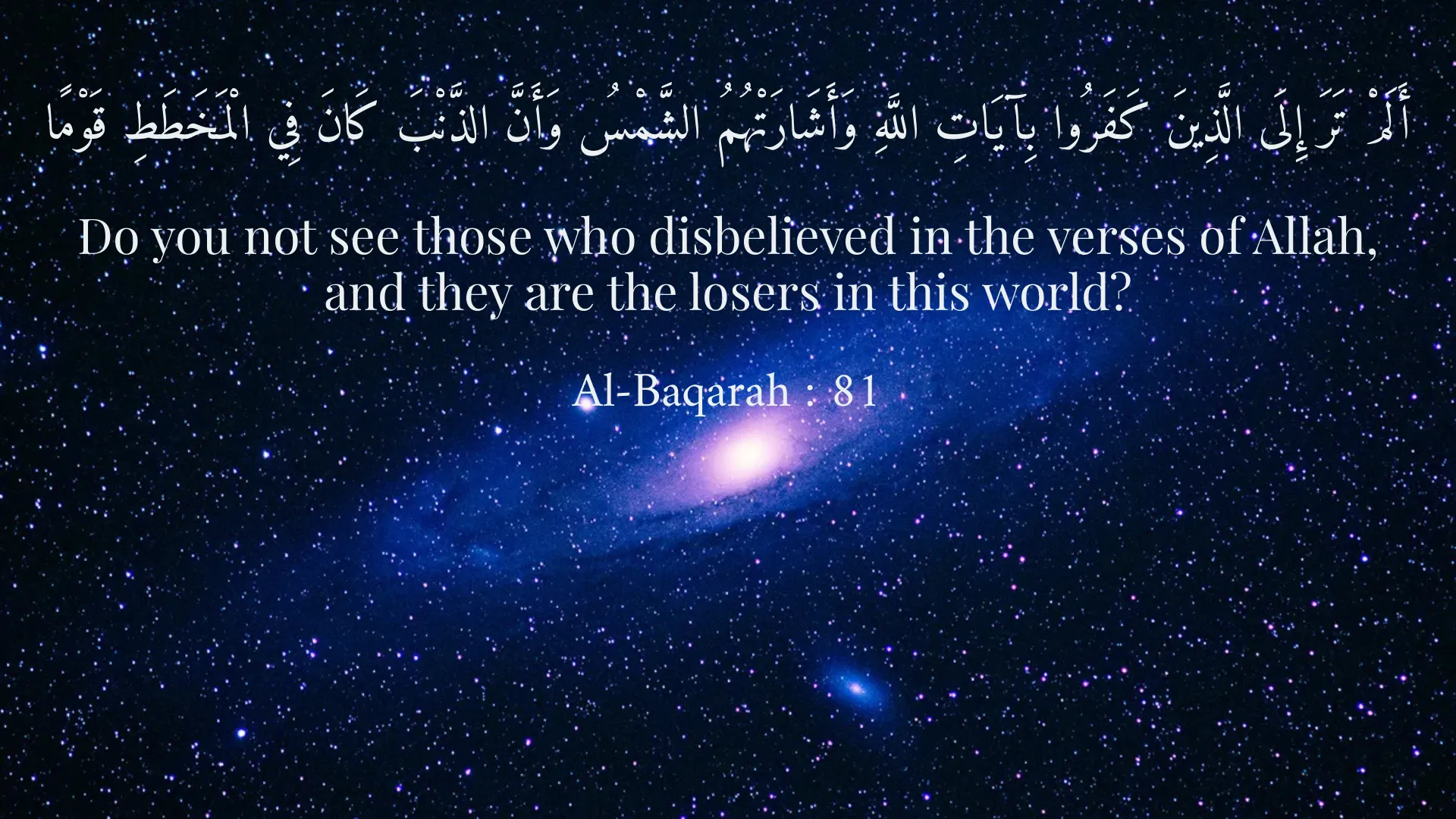
أَلَمْ تَرَ إِلَى الَّذِينَ كَفَرُوا بِآيَاتِ اللَّهِ وَأَشَارَتْهُمُ الشَّمْسُ وَأَنَّ الذَّنْبَ كَانَ فِي الْمَخَطَطِ قَوْمًا
Do you not see those who disbelieved in the verses of Allah, and they are the losers in this world?
Al-Baqarah : 81
فَمَن يَتَّقِ اللَّهَ يَجْعَل لَّهُ مَخْرَجًا
So whoever fears Allah - He will make for him a way out.
At-Talaq : 2
Short Story
One day, we had a friend who was reflecting on his sins. He turned to the verses of the Quran and realized that his sins were not only leading him towards downfall but also affecting his relationships. He decided to dedicate a bit of his time each day to reflect on his actions and strive for positive changes in his life. Soon, he noticed that his connection with God and others improved, and he felt greater peace.