Quranic Answer
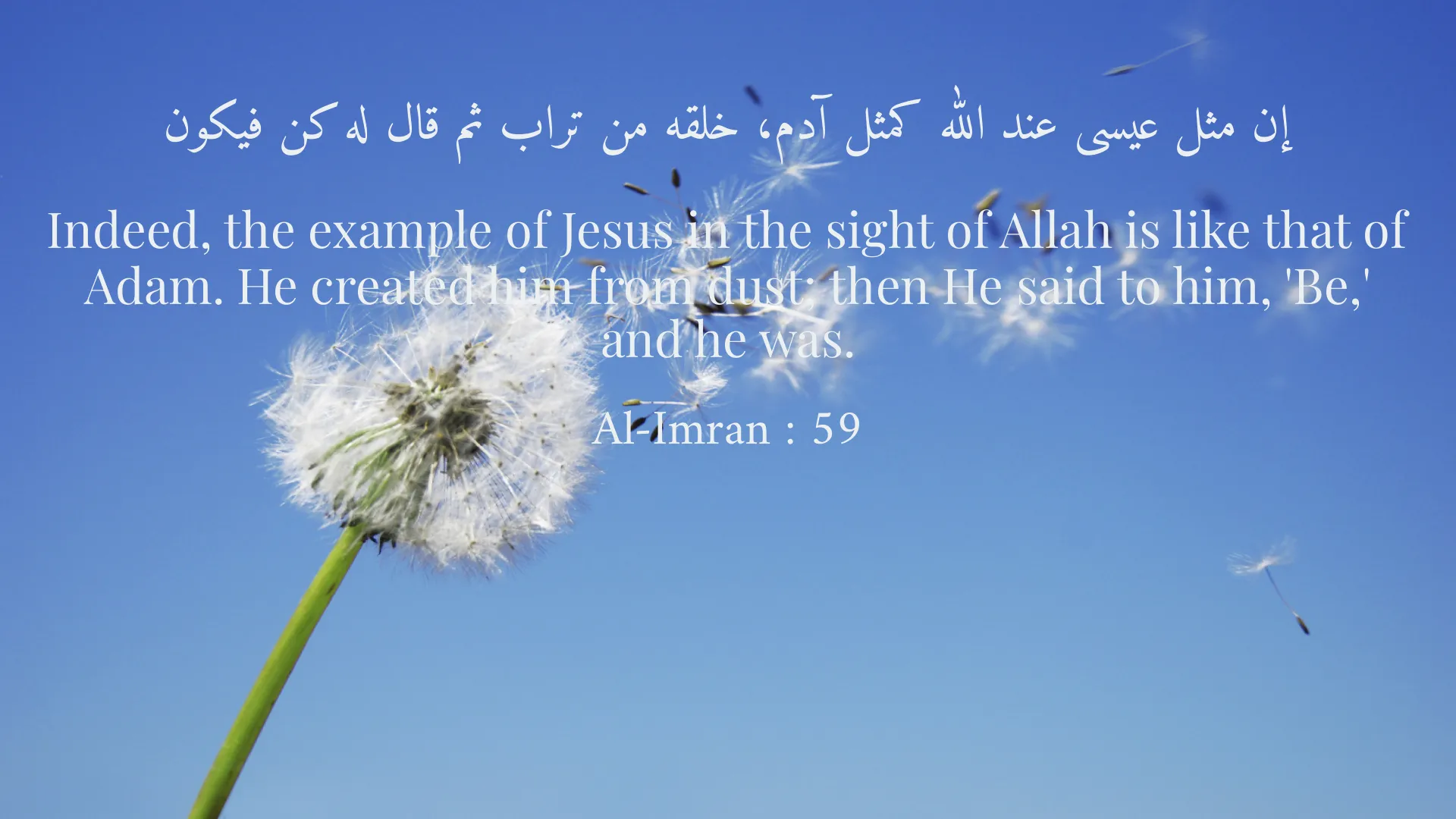
The creation of man, as described in the Holy Quran, stands as one of the most awe-inspiring occurrences in the continuum of existence. The divine origin of humanity is not merely a story written in sacred texts; it forms the bedrock of Islamic cosmology and reflects on the nature of existence itself. Verses scattered throughout the Quran provide an intricate understanding of how humanity was created, and with it, the responsibilities and privileges bestowed upon mankind. This article delves into several significant verses of the Quran that address the existence of humans, their production from clay, and the unique role they play in the grand scheme orchestrated by Allah. The Holy Quran affirms the creation of Adam in Surah Al-Imran, verse 59: "Indeed, the example of Jesus in the sight of Allah is like that of Adam. He created him from dust; then He said to him, 'Be,' and he was." This verse succinctly encapsulates the magnificence of divine creation and highlights the power of Allah through His capability to bring forth life from the most basic elements of the earth. The reference to dust or clay symbolizes not only the humble beginnings of man but also signifies the intrinsic connection between humanity and the universe. In this respect, every human being carries within themselves a divine touch that reflects both their origins and their potential. Transitioning to Surah Al-Hijr, verse 28, we encounter another layer of understanding regarding the creation of man: "And [mention] when your Lord said to the angels, 'Indeed, I am creating a human from clay.'" The emphasis on clay as the foundational material for human creation is profound; it reminds us of our earthly connections and societal responsibilities. From clay, humans sprang forth and became beings who are capable of recognizing their Creator and engaging with their surroundings. This verse also affirms that humanity's existence is a product of divine will, establishing themselves not solely as inhabitants of the earth, but as caretakers assigned to manage it. Moreover, Surah As-Sajda, verse 7 encapsulates another critical aspect of human creation: "And He fashioned him and breathed into him of His spirit; and made for you hearing, vision, and hearts; little are you grateful." Here, the Quran emphasizes the unique status of human beings. Aside from being constructed from clay, what distinguishes humanity is the divine breath, which imparts consciousness and life. Thus, humans possess intellectual and spiritual faculties that elevate them above other creations. This infusion of divine spirit illustrates that humanity is intended to carry out a purpose, one tied to moral and spiritual responsibilities. Moreover, this divine breath signifies the special connection between humans and their Creator. Unlike other creatures, humans are endowed with intellect, emotion, and the ability to comprehend moral and ethical standards. This enhances the responsibilities that come with existence, as individuals are not merely passive recipients of life but active agents with free will, capable of making choices that align with divine commandments. When Allah breathed life into Adam, He empowered him to be the steward of the earth and charged him with a mission to embody divine qualities. Furthermore, Quranic literature frequently outlines that with great gifts come great responsibilities. By referring to humanity as "Khalifah" (the vicegerent) on earth, the Quran demands accountability for one's actions, both towards Allah and towards fellow beings. Such principles are succinctly encapsulated in verses that highlight the covenant made between Allah and humanity before their arrival in this worldly existence. Humans are reminded that they will be held accountable for their actions and decisions made in life. This notion of accountability underlines that every decree issued by Allah is followed by an expectation for humans to live in accordance with divine guidance. The Quran points further to the idea that human existence is a critical phase of a broader cosmic journey, one that transcends life itself. The moral and spiritual tests faced on earth serve to shape the essence of humanity and prepare individuals for the hereafter. The choices made in this life will dictate one's afterlife according to various Quranic injunctions. This concept corresponds with numerous verses scattered throughout the sacred text, indicating that through trials and tribulations, Allah dispenses wisdom, resilience, and spiritual purification to His creation. In synthesizing these core tenets of Islamic thought regarding human creation, we can arrive at the conclusion that life is not a mere accident but rather a divine design imbued with purpose. Humanity's origin from clay is not a sign of insignificance but an indication of the deliberate and thoughtful nature of creation, stemming from the unlimited wisdom of Allah. The breath of His spirit into humans not only marks their special status among creation but also serves as a reminder of their responsibilities. The Quran speaks of mercy, compassion, and morality, which are key attributes that humans ought to embody as they traverse the path of life. Furthermore, humans should reflect on the implications of divine creation in their daily lives. We face moral dilemmas and ethical decisions that call upon us to resonate with the divine essence breathed within us. Acknowledging this divine connection allows us to cultivate love, kindness, and justice in our societies. By recognizing the lessons imprinted in our existence, we can strive against the vices that dilute the human spirit and aim towards becoming a true vicegerent of Allah on earth. In conclusion, the Quran provides profound insights into the creation of humanity, instilling an awareness of our origins and the obligations that come with existence. The comprehensive teachings present in these revered texts invite contemplation about our place in the universe, the responsibilities we bear, and the legacy we wish to construct. Ultimately, the creation of humanity, defined by divine breath and a foundation of clay, underscores the significance of our life journey, which is intended to culminate in spiritual elevation and accountability towards the divine. The dialogue initiated by the Quran challenges us to recognize, appreciate, and cherish the life gifted to us by Allah, reminding us that with existence comes a divine purpose.
Related Verses
إن مثل عیسی عند الله کمثل آدم، خلقه من تراب ثم قال له کن فیكون
Indeed, the example of Jesus in the sight of Allah is like that of Adam. He created him from dust; then He said to him, 'Be,' and he was.
Al-Imran : 59
و إذ قال ربک للملائکة إنی خالق من طین
And [mention] when your Lord said to the angels, 'Indeed, I am creating a human from clay.'
Al-Hijr : 28
و نفخ فیه من روحه
And He breathed into him of His Spirit.
As-Sajda : 7
Short Story
One day, a man went to a garden and enjoyed the beautiful trees and flowers. He remembered the creation of man and how Allah created him from clay and breathed His spirit into him. This reminder made him grateful to Allah and attentive to His blessings.