Quranic Answer
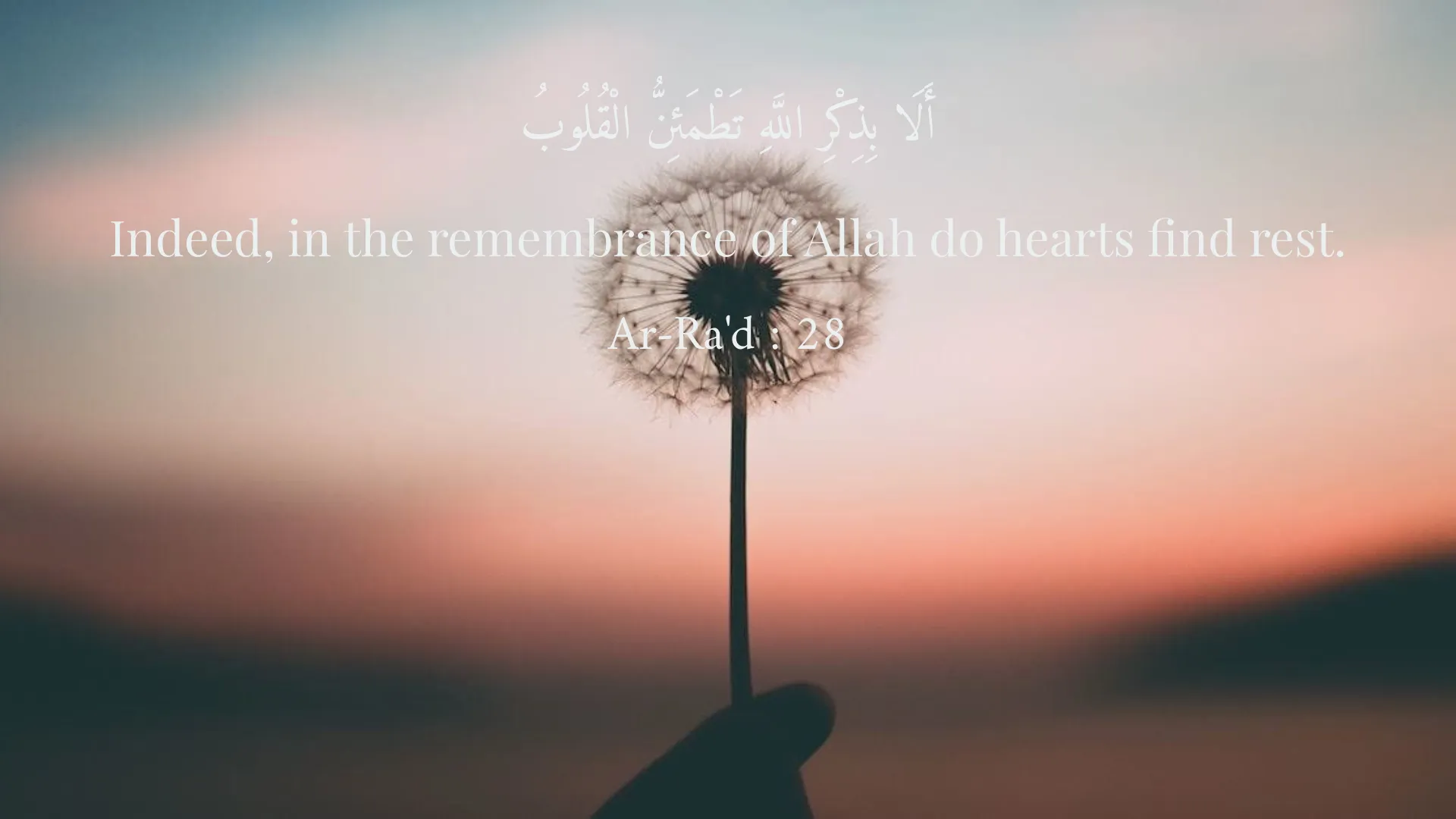
In the Holy Quran, the concepts of happiness and gratitude are fundamental to the spiritual and emotional well-being of believers. These themes are consistently emphasized throughout the sacred text, providing guidance to individuals facing the myriad challenges life throws their way. The Quran serves as a reminder that true happiness is attainable through the remembrance of Allah, leading individuals to find peace even in the most trying circumstances. This article will delve into various verses of the Quran that highlight the significance of gratitude and the power of faith in nurturing a joyful and fulfilling life. One of the most profound verses that illuminates the importance of remembrance and connection with God is found in Surah Ar-Ra'd, verse 28, where Allah states: 'Indeed, in the remembrance of Allah do hearts find rest.' This verse encapsulates the essence of spiritual tranquility that comes from establishing a relationship with the divine. It emphasizes that in moments of distress or uncertainty, turning to Allah through prayer and meditation can offer solace to the troubled heart. The act of remembrance serves not only as a source of comfort but also as a means of redirecting focus from worldly anxieties to the broader perspective of divine care and omnipotence. Faith in God acts as a shield against the trials of life, fortifying the believer with an unshakeable sense of peace. When individuals encounter hardships, worries, or fears, their trust in Allah enables them to transcend these challenges with resilience. This is further illustrated in Surah Al-Imran, verse 173, where Allah reassures believers facing adversity: 'And when it is said to them, ‘Indeed, people have gathered against you, so fear them,’ it increased them in faith and they said, ‘Sufficient for us is Allah, and He is the Best Disposer of affairs.’' Here, the phrase 'Sufficient for us is Allah' serves as a powerful affirmation of faith and reliance on God. It exemplifies how true believers draw strength from their conviction in Allah's plans for them, enhancing their ability to cope with fear and uncertainty. This verse reinforces the notion that while external circumstances may evoke anxiety, the internal strength derived from one’s faith can foster a positive and courageous outlook. The interplay between gratitude and happiness is also a prominent theme in the Quran. Gratitude, or Shukr, is encouraged throughout the text as a means of recognizing and appreciating the countless blessings bestowed upon individuals. In Surah Ibrahim, verse 7, Allah emphasizes this: 'And [remember] when your Lord proclaimed: If you give thanks [by accepting faith], I will give you more [of My Blessings]; but if you deny [My Blessings], indeed, My punishment is severe.' This verse conveys the principle that gratitude not only acknowledges God’s gifts but also invites further blessings into one’s life. It suggests a reciprocal relationship between gratitude and divine favor; the more one appreciates their circumstances, the more blessings they are likely to receive. Happiness in the Quran is intricately linked to the fulfillment of spiritual obligations and the pursuit of a righteous life. Believers are encouraged to engage in acts of kindness, charity, and justice, which enrich both their own lives and the lives of those around them. Surah Al-Ma'idah, verse 32, illustrates this by stating: 'And because of that, We decreed upon the Children of Israel that whoever kills a soul unless for a soul or for corruption [done] in the land - it is as if he had slain mankind entirely. And whoever saves one - it is as if he had saved mankind entirely.' This passage underscores the impact of individual actions on collective happiness and societal well-being. Acts of goodness not only serve to elevate one’s spirit but also contribute to a harmonious and joyful community. Moreover, the Quran emphasizes the transient nature of worldly possessions and the ultimate importance of seeking happiness through spiritual rather than material means. In Surah Al-Hadid, verse 23, Allah reminds believers: 'So that you not despair over what has eluded you and not rejoice in what He has given you.' This verse encourages individuals to focus on their spiritual growth rather than becoming overly attached to worldly gains or losses. By fostering a sense of contentment with what they have, believers can cultivate true joy that remains unaffected by life's fluctuations, thus reinforcing the idea that authentic happiness is derived from within, connected to one’s faith and trust in Allah. In addition to the teachings found within the Quran, it is essential to note that the practice of gratitude can enhance mental health and overall well-being. Psychological studies have shown that individuals who regularly practice gratitude report higher levels of happiness and satisfaction in life. This alignment between psychological findings and Quranic teachings speaks to the universal truth that gratitude can elevate the human spirit and pave the way for a joyous existence. Overall, the Quran offers profound insights into the nature of happiness and the vital role gratitude plays in a believer’s life. Through the teachings of remembrance, faith, and acknowledgment of blessings, individuals are guided toward the path of tranquility and joy. The verses highlight that while life may present challenges, it is through a deep connection with God and a heart full of gratitude that believers can find enduring happiness. In essence, the journey towards true joy is not simply about external circumstances but stems from the rich inner life cultivated by faith and spiritual practice. Whether faced with trials or enjoying success, believers can uphold a sense of happiness through their unwavering connection with Allah, embracing both gratitude and the profound peace that comes from trust in His wisdom.
Related Verses
أَلَا بِذِكْرِ اللَّهِ تَطْمَئِنُّ الْقُلُوبُ
Indeed, in the remembrance of Allah do hearts find rest.
Ar-Ra'd : 28
وَإِذَا قَالَ لَهُمُ النَّاسُ إِنَّ النَّاسَ قَدْ جَمَعُوا لَكُمْ فَاخْشَوْهُمْ زَادَهُمْ إِيمَانًا وَقَالُوا حَسْبُنَا اللَّهُ وَنِعْمَ الْوَكِيلُ
And when it is said to them, ‘Indeed, people have gathered against you, so fear them,’ it increased them in faith and they said, ‘Sufficient for us is Allah, and He is the Best Disposer of affairs.’
Al-Imran : 173
Short Story
One day, a large tree in the forest sat contemplating the life around it. At that moment, a beautiful bird landed on its branch and began to sing. The tree lovingly asked the bird, 'You seem so happy! What is your secret to happiness?' The bird replied, 'Every day, I remember God and He always grants me peace. True happiness lies in connecting with Him.' The tree was delighted by the bird's words and realized that the most important thing in life is the connection with God and being close to Him.