Quranic Answer
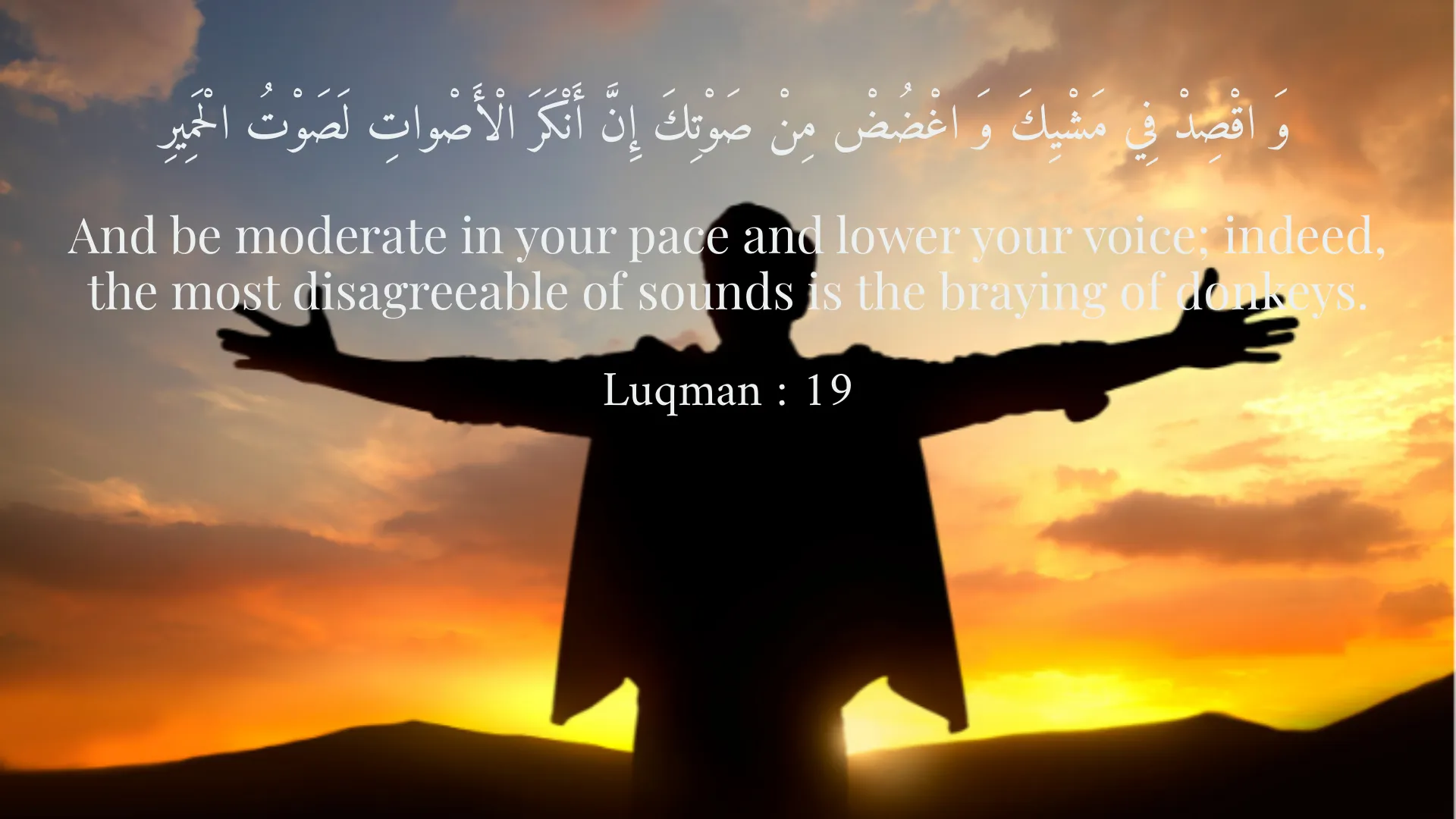
Silence is often viewed as a void, a mere absence of sound, or an indication of discomfort and unease in contemporary settings. However, in the realm of religion, particularly within the context of Islam and the teachings of the Quran, silence is embraced as a profound and positive trait. It is intertwined with the notion of spiritual purity and deep introspection, presenting itself as an essential quality for those seeking to foster their relationship with God. In an increasingly noisy and distracted world, the importance of silence as a tool for purification and reflection has never been more pertinent. In the Quran, silence is not merely the lack of verbal communication; it carries an implication of thoughtfulness, restraint, and a thoughtful approach to discourse. The significance of silence finds its ground in various Quranic verses and Hadiths, which serve as guiding principles for believers. The Quran frequently mentions the value of careful speech, and silence is often portrayed as the supportive backdrop against which thoughtful reflection occurs. For instance, in Surah Luqman, verse 19, the Quran says: 'And be moderate in your pace and lower your voice; indeed, the most disagreeable of sounds is the braying of donkeys.' This verse accentuates the importance of moderation not only in behavior but also in speech. Believers are reminded to be aware of how they convey their thoughts, using words judiciously and only when necessary. The exhortation to lower one's voice signifies a call to serenity and contemplation, values that are often overshadowed by the clamor of modern life. Moreover, in Surah Al-Mu'minun, verse 3, it advocates for the avoidance of frivolous and meaningless discussions. Here, the underlying message extends beyond the mere prohibition of idle talk; it underscores the potential of silence to cultivate sincerity, humility, and a closer connection with the divine. The idea implies that engaging in excessive chatter diverts attention away from spiritual cultivation and reflection, whereas silence provides an opportunity to engage more deeply with one’s faith. The Hadith literature further augments this perspective on silence. Numerous traditions attributed to the Prophet Muhammad (peace be upon him) indicated that silence can lead to tranquility and contemplation. One well-known saying from the Prophet states, 'Whoever believes in Allah and the Last Day should say something good or remain silent.' This Hadith encourages individuals to engage in meaningful discourse or embrace silence when they lack positive or constructive contributions to make. The emphasis on silence reinforces the idea that not every situation necessitates verbal expression, and that in many instances, silence can speak volumes. This virtue of silence resonates well with the broader spiritual practice of reflection. In a world filled with constant stimulation — social media notifications, busy schedules, and the barrage of news cycles — the necessity of quiet reflection is crucial for spiritual growth. In silence, individuals can delve into self-awareness, assess their thoughts and feelings, and attune themselves to their surroundings and the presence of God in their lives. As the noise subsides, the internal tumult can find calm, and individuals can foster a genuine relationship with the divine. Moreover, embracing silence can lead to tranquility of the heart and mind. It permits believers to engage in deep contemplation, enhancing their understanding of the Quran and deepening their faith. In silence, one can pray, meditate, or engage in remembrance (dhikr), attaining a heightened sense of awareness that transcends the superficial layers of existence. This solitude can be a means to listen not only for the voice of God but also for the subtle whisperings of one’s conscience and the guidance of one’s heart. Many spiritual leaders and thinkers emphasize the significance of silence as a spiritual practice. Throughout history, various religious figures have recognized that silence is a powerful avenue for experiencing the divine. For many mystics and spiritual seekers, silence serves as a gateway to inner peace, allowing individuals to resonate with their broader spiritual truths and grounding them in their beliefs. The tradition of silence is not limited to Islam; it stretches across various religious ideologies, where the act of quietude is associated with a heightened spiritual state and understanding. In Islamic tradition, silence is perceived as a means of acquiring wisdom. The individual who practices silence becomes observant, capable of recognizing the subtleties of their environment that often go unnoticed amidst chatter and distractions. By engaging in reflection during moments of quiet, believers can discern their true motivations, aspirations, and experiences, leading to personal growth and enlightenment. However, it is essential to acknowledge that silence can be dual-faceted; while it can facilitate peace and contemplation, it can also lead to isolation or disconnection if not practiced mindfully. Therefore, a balanced approach towards silence is crucial. Engaging in community and sharing beliefs through constructive dialogue can also enhance one's spiritual journey. Silent reflection need not negate the value of interaction but can coexist as a complementary practice enriching the overall pathway to spiritual development. In conclusion, silence in the Islamic theological context emerges as a crucial attribute, serving as a conduit for spiritual purity and cultivation of deeper faith. The Quranic verses and Hadiths invitingly encourage believers to embrace silence not as merely the absence of sound but as a powerful interim space for contemplation, introspection, and connection with God. As individuals navigate through their spiritual journeys, harnessing the power of silence can foster a harmonious balance in the noise of everyday life, encouraging growth and a deeper understanding of divine teachings. Thus, silence not only signifies piety but cultivates an inner peace that allows believers to connect profoundly with their spirituality and the essence of their faith.
Related Verses
وَ اقْصِدْ فِي مَشْيِكَ وَ اغْضُضْ مِنْ صَوْتِكَ إِنَّ أَنْكَرَ الْأَصْواتِ لَصَوْتُ الْحَمِيرِ
And be moderate in your pace and lower your voice; indeed, the most disagreeable of sounds is the braying of donkeys.
Luqman : 19
وَالَّذِينَ هُمْ عَنِ اللَّغْوِ مُعْرِضُونَ
And those who turn away from ill speech.
Al-Mu'minun : 3
Short Story
In ancient times, there was a man named Hassan who was always in thought and contemplation in his daily life. He believed that silence and reflection held a significant secret in living. While Hassan observed people spending their lives amidst meaningless chatter and noise, he decided to embrace silence and delve deeper into life and the divine. Gradually, he not only found peace but also attracted friends who noticed his transformation and chose to join him in this journey.