Quranic Answer
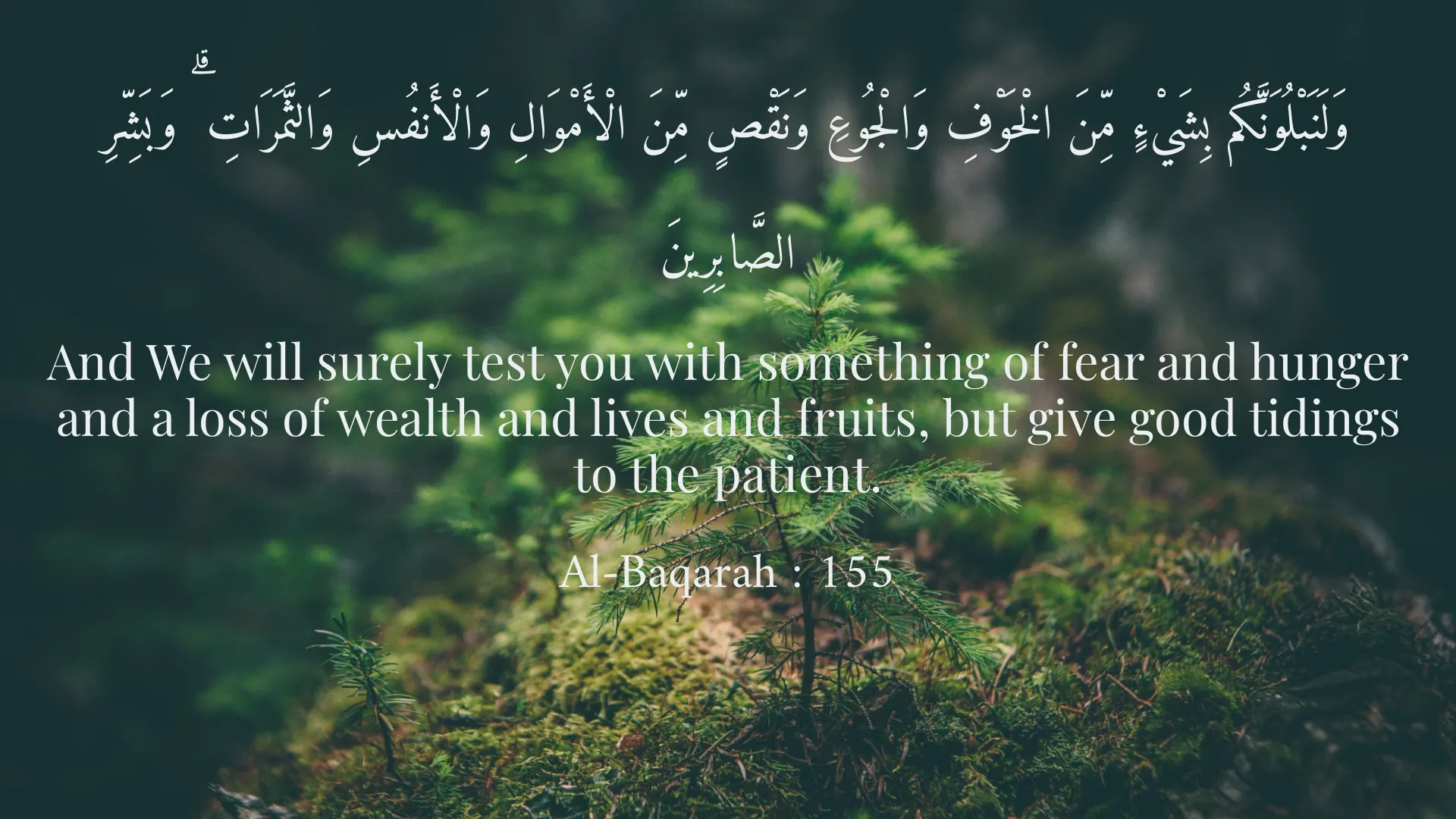
In the profound and rich teachings of the Holy Quran, it is unequivocally clear that sorrow and grief, contrary to a superficial perception that merely sees them as pain and suffering, can indeed be a gateway to spiritual and personal growth. The Quran offers a perspective that transcends appearances, considering hardships and calamities as an integral part of the human journey, serving a higher purpose. This viewpoint does not deem sorrow as merely destructive but rather presents it as an effective tool in divine providence for refining the soul and achieving perfection. One of the most central Quranic concepts directly related to this topic is 'Ibtila' or divine testing. In numerous verses, Allah Almighty explicitly states that He tests human beings to reveal the truth of their faith, to gauge their patience, and to elevate them to higher degrees of perfection. Sorrow and grief, whether stemming from the loss of loved ones, depletion of wealth, illness, or failure in life's endeavors, are all manifestations of this 'Ibtila'. These trials offer an unparalleled opportunity for individuals to look within themselves, re-evaluate their worldly attachments, and test the depth of their reliance on Allah. In Surah Al-Baqarah, verse 155, Allah says: "And We will surely test you with something of fear and hunger and a loss of wealth and lives and fruits, but give good tidings to the patient." This verse indicates that sorrows are part of the divine plan for human testing and growth, and a great reward is promised for those who are patient. The concept of 'Sabr' (patience) in the Quran is the main key to transforming sorrow into growth. Patience in the face of calamities is not merely passive endurance; it encompasses active perseverance on the path of truth, refraining from complaining about divine decree, and maintaining inner peace amidst difficulties. The Quran invites believers to seek help through patience and prayer, as we read in Surah Al-Baqarah, verse 153: "O you who have believed, seek help through patience and prayer. Indeed, Allah is with the patient." This divine companionship with the patient signifies the high value and profound impact of patience on the path of growth. One who adopts patience in sorrow is, in fact, building a stronger foundation for their faith; they learn to rely on the inexhaustible power of Allah instead of unstable material factors, thereby expanding their heart and soul. Furthermore, the Quran puts forth the significant principle of "For indeed, with hardship [will be] ease. Indeed, with hardship [will be] ease." (Surah Al-Inshirah, verses 5 and 6). These verses carry a message full of hope and assurance, indicating that hardships and sorrows are temporary, and ease and relief will follow. This cycle of hardship and ease is a tool for growth and maturity. Experiencing sorrow provides humans with a deeper capacity to appreciate and understand joys and makes them more resilient against life's fluctuations. One who has tasted the bitterness of sorrow will better appreciate the sweetness of ease and will be less prone to arrogance and heedlessness. Sorrow and grief can also serve as a means of purifying the soul and atoning for sins. Islamic traditions also state that every affliction and sorrow that befalls a believer, even if it is as small as a thorn prick, leads to the forgiveness of their sins. This perspective transforms sorrow into a process of divine purification, through which the heavy burden of misdeeds is lifted from a person, and the soul becomes prepared for a deeper connection with the Creator. This in itself is a tremendous spiritual growth that makes a person lighter and closer to absolute perfection. The stories of the prophets in the Quran are prime examples of how sorrow and adversity served as a crucible for their growth and elevation. Prophet Ayyub (Job), who suffered from various afflictions and diseases for years, reached a high status through his beautiful patience, and his name became a symbol of endurance. Prophet Yusuf (Joseph), who went from a well to prison and then to being a minister in Egypt, his path filled with sorrow and conspiracy, led to his profound wisdom and unparalleled governance. Even the challenging life of Prophet Muhammad (PBUH) was full of grief from losing loved ones, being expelled from his homeland, and enduring persecutions, yet each of these hardships made him firmer in his mission and endowed him with deeper insight and wisdom. These stories are not only for taking lessons but also for demonstrating the divine mechanism of transforming sorrow into growth and spiritual strength. Finally, sorrow can lead to humility, empathy, and a re-evaluation of priorities. When a person faces sorrow and their own weakness, their arrogance shatters, and they return to Allah with a broken and humble heart. This experience of setback and weakness fosters deeper empathy for other suffering human beings and shifts the individual from self-centeredness towards altruism and helping others. Moreover, sorrow can illuminate the true values of life; what is truly lasting and valuable versus what is fleeting and perishable. This change in perspective is the greatest kind of growth, freeing a person from worldly attachments and guiding them towards eternal truth. Therefore, from the Quranic perspective, sorrow is not merely a prelude to growth but one of its most powerful engines for achieving human perfection and closeness to Allah, provided it is accompanied by a monotheistic worldview, patience, and reliance on God.
Related Verses
وَلَنَبْلُوَنَّكُم بِشَيْءٍ مِّنَ الْخَوْفِ وَالْجُوعِ وَنَقْصٍ مِّنَ الْأَمْوَالِ وَالْأَنفُسِ وَالثَّمَرَاتِ ۗ وَبَشِّرِ الصَّابِرِينَ
And We will surely test you with something of fear and hunger and a loss of wealth and lives and fruits, but give good tidings to the patient.
Al-Baqarah : 155
يَا أَيُّهَا الَّذِينَ آمَنُوا اسْتَعِينُوا بِالصَّبْرِ وَالصَّلَاةِ ۚ إِنَّ اللَّهَ مَعَ الصَّابِرِينَ
O you who have believed, seek help through patience and prayer. Indeed, Allah is with the patient.
Al-Baqarah : 153
فَإِنَّ مَعَ الْعُسْرِ يُسْرًا
For indeed, with hardship [will be] ease.
Al-Inshirah : 5
إِنَّ مَعَ الْعُسْرِ يُسْرًا
Indeed, with hardship [will be] ease.
Al-Inshirah : 6
Short Story
It is narrated that a mystic was seen to be happier than others during times of hardship and tribulation. They asked him, "How do you possess so much tranquility amidst this sorrow and suffering?" The mystic smiled and said, "One day, I was walking through a thorny field, suffering from its prickles. Suddenly, I thought to myself: O heart, how does the red rose, with all its delicacy, grow from the midst of these thorns? Then I understood that the beauty and fragrance of the rose are the result of struggling with hardship and enduring suffering. From that day, every sorrow and tribulation that befalls me, I consider it a thorn that provides the ground for the growth of the rose of my being. Every difficulty is a touchstone that reveals the essence of my existence and brings me closer to my true self. Sorrows are the gates of wisdom, and with every tear, new knowledge settles in my heart."