Quranic Answer
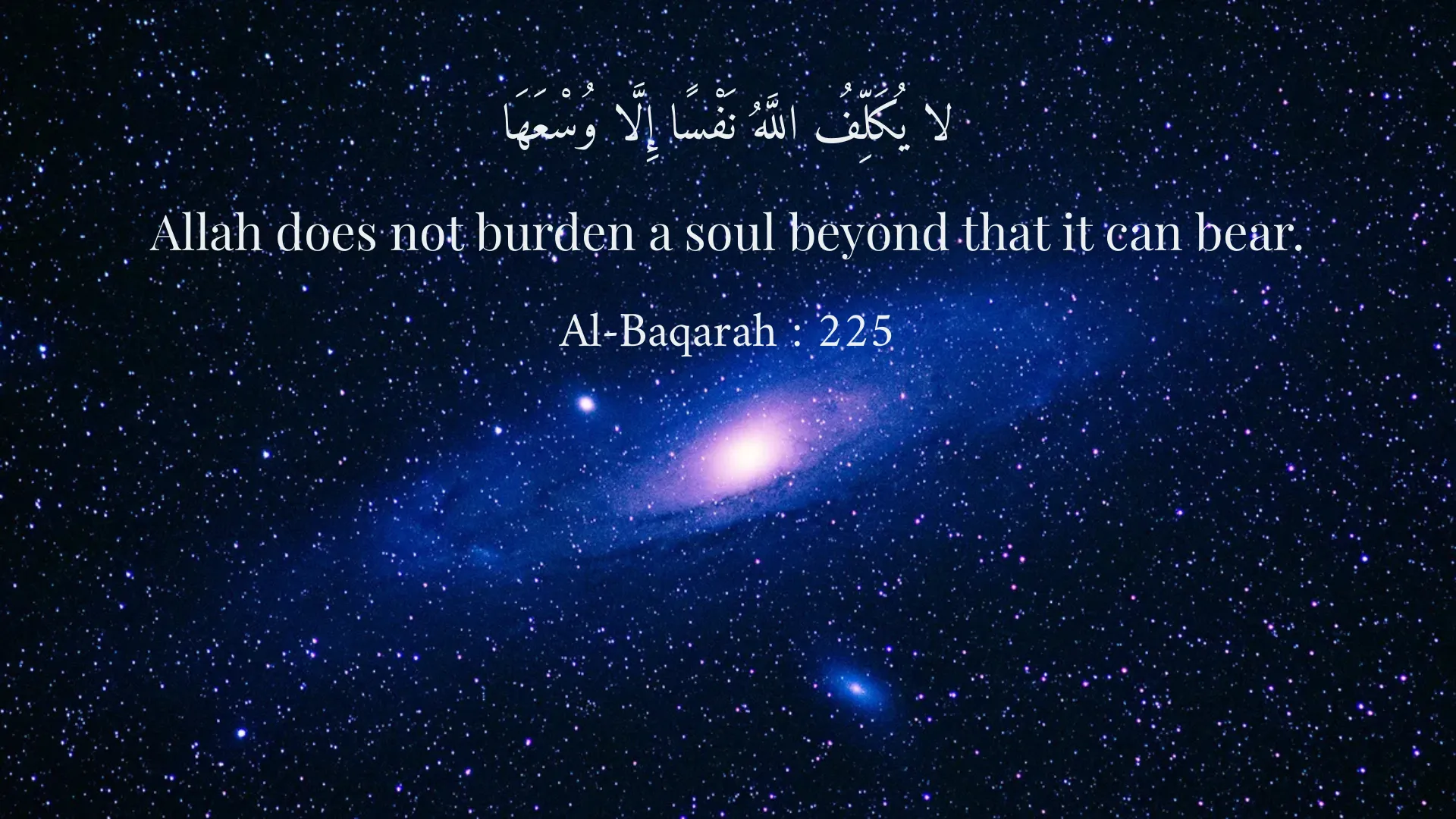
The concept of intention, or "niyyah" in Arabic, holds profound significance in the Islamic faith, deeply embedded within the teachings of the Holy Quran. The Quran is not merely a book of laws and narratives; it serves as a transformative guide for personal and spiritual development, promoting an understanding of the importance of the inner self and one's motivations. This article will explore the themes of intention and inner desires as emphasized in the Quran, illustrating how these factors interplay in establishing a meaningful life aligned with Islamic principles. In Surah Al-Baqarah, verse 225, it is stated: "Allah does not burden a soul beyond that it can bear." This verse encapsulates a critical component of Islamic philosophy—the concept that Allah is intimately aware of our intentions and understands the human capacity for both righteousness and failure. Here, we see a reflection of Allah's mercy, emphasizing that divine expectations align with human abilities. The implication is clear: our actions are not merely judged by their external manifestations but are fundamentally assessed based on the purity and sincerity of our intentions. The Quran highlights that pure intentions can manifest uplifting outcomes in an individual’s life. This is particularly emphasized in Surah Al-Imran, verse 29, which states: "Say, 'Whether you conceal what is within yourselves or reveal it, Allah knows it.'" This verse reinforces the idea that nothing is hidden from Allah, suggesting the belief that transparency of one's intentions is paramount. A person may perform good deeds, but without an authentic desire to please Allah, those actions may lack value in the spiritual realm. It underscores the profound truth that the essence of our deeds is intricately connected to our inner intentions. Moreover, the Quran elaborates on the multifaceted nature of intention. When a believer performs acts of charity, worship, kindness, or any good deeds, the intention behind those acts becomes crucial. An act performed out of a desire for social recognition, for example, may not hold the same weight as an act done purely for the sake of Allah. The spiritual reward derived from such deeds is enhanced when they are executed with a heart that sincerely wishes to achieve Allah's pleasure. The community dynamics in which one operates further illustrate this significance. A society rooted in mutual intentions of goodwill, rooted in pure faith, can uplift itself through collective positive actions. This brings us to the broader implications of intention in individual destiny. A pure intention, especially in one's acts of worship and good deeds, can significantly alter the outcomes of those actions. It can invoke blessings and positive results not only in this life but also in the hereafter. In Surah At-Tawbah, verse 104, Allah states: "And know that your properties and your children are but a trial, and that Allah has with Him a great reward." This verse encourages a view of worldly possessions and familial ties as trials that test a person's sincerity and resolve. Those who maintain pure intentions while navigating these trials are promised immense rewards, indicating a direct relationship between intention and subsequent divine blessings. To further understand the weight of intention in Islam, let us reflect on the tradition of the Prophet Muhammad (peace be upon him). He stated, "Actions are judged by intentions, and every person will get the reward according to what they intended." This Hadith reinforces the Quranic perspectives outlined above, illustrating the intrinsic value of intention in every act committed by an individual. The Prophet’s words encourage Muslims to assess their motives regularly, fostering an introspective culture where one is continually striving for purity of heart. Sincerity in intention leads to fulfilling the purpose of one’s existence, aligning personal goals with divine expectations. In practical terms, Muslims are encouraged to frequently renew their intentions, particularly when engaging in acts of worship or community service. This practice helps maintain focus and sincerity, ensuring that actions are directed towards seeking Allah’s pleasure rather than engaging in self-serving behavior. Acts of worship, such as prayer, fasting, or reading the Quran, gain a higher spiritual dimension when approached with pure intention. Regardless of the outward appearance, it is the inner disposition that determines the alignment with divine approval. Furthermore, we should consider the role of community and societal influence on individual intentions. An environment fostering good deeds and sincere intentions can enhance the overall spiritual well-being of its members. Encouragement from family and friends to act righteously can strengthen an individual’s resolve to cultivate pure intentions. Conversely, negative influences can lead to insincerity and ego-driven actions, which divert one from the path of righteousness. Therefore, the significance of intention also extends to the collective, marking it essential to create bonds of support that guide members towards maintaining and developing pure intentions. In conclusion, the emphasis on intention and inner desires in the Quran highlights the intricate and profound connections between an individual’s inner self, their actions, and the ultimate judgment from Allah. Sincere intentions are the foundation of acceptance for all deeds, underscoring the sacred responsibility of Muslims to remain vigilant in their inner dialogues and personal motivations. By nurturing a pure intention, individuals have the capacity to transform their actions and circumstances, fostering not only personal growth but also contributing to the collective betterment of society. The teachings of the Quran and the example of the Prophet Muhammad (peace be upon him) serve as enduring reminders that the journey towards spiritual fulfillment begins within, governed by the power of the heart's intentions.
Related Verses
لا يُكَلِّفُ اللَّهُ نَفْسًا إِلَّا وُسْعَهَا
Allah does not burden a soul beyond that it can bear.
Al-Baqarah : 225
قل إن تُخْفُوا ما في صدوركم أو تُبْدُوهُ يعلمهم الله
Say, 'Whether you conceal what is within yourselves or reveal it, Allah knows it.'
Al-Imran : 29
وَاعْلَمُوا أَنَّمَا أَمْوَالُكُمْ وَأَوْلَادُكُمْ فِتْنَةٌ ۖ وَأَنَّ اللَّهَ عِندَهُ أَجْرٌ عَظِيمٌ
And know that your properties and your children are but a trial, and that Allah has with Him a great reward.
At-Tawbah : 104
Short Story
One day, Sara recalled the Quranic verses and decided to pay more attention to her intentions. Weeks passed, and she focused more on doing good and sincere deeds without hesitation, even taking time for those in need. She felt that God's blessings poured into her life, and she found greater peace. This experience reminded her that good intentions always bring positive effects.