Quranic Answer
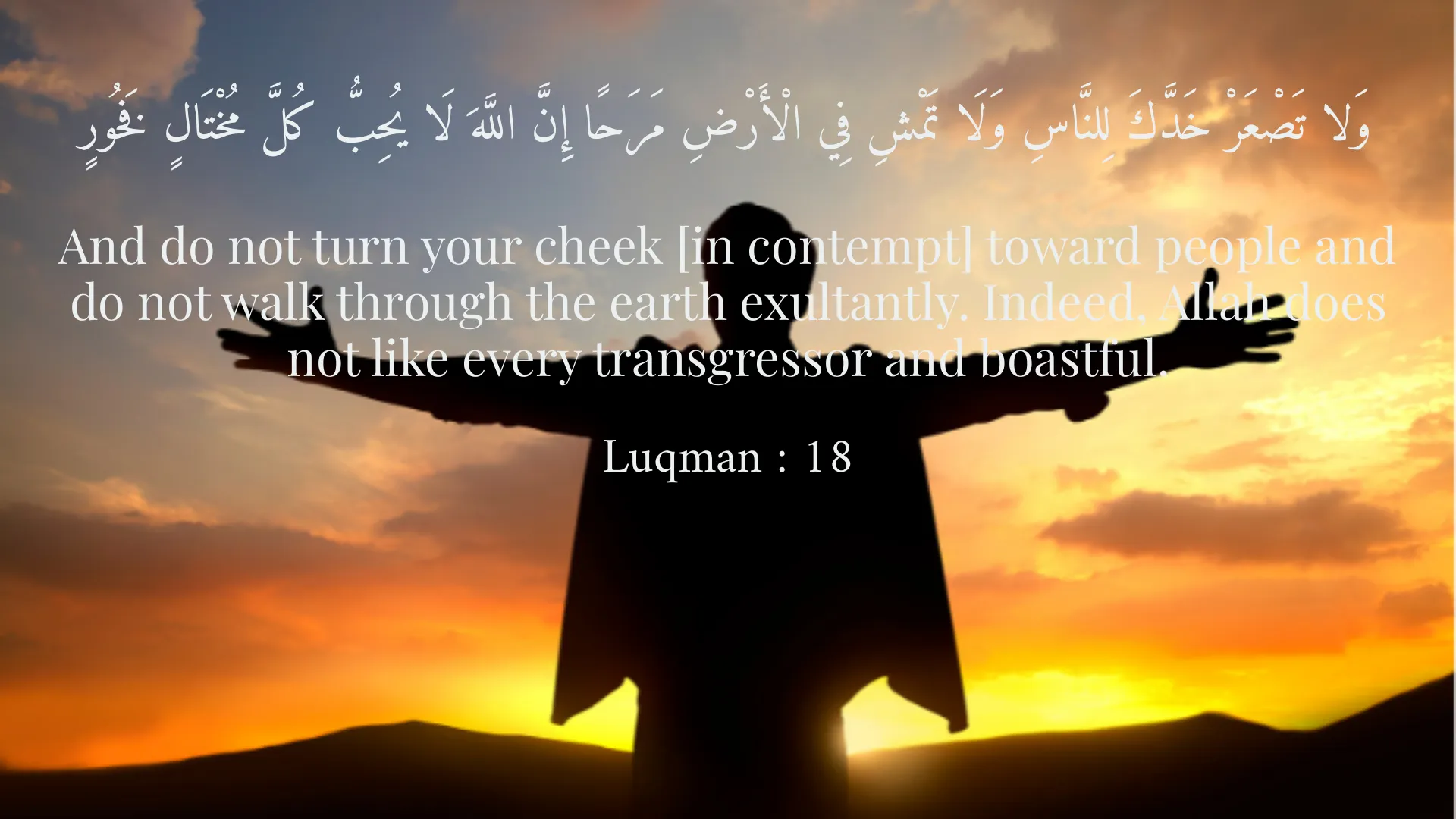
Arrogance is one of the most damaging traits an individual can possess, and this sentiment is echoed in many religious texts, including the Quran. In numerous verses, Allah warns against the perils of arrogance and pride, emphasizing that it distances individuals from His mercy and ultimately leads them toward ruin. This article delves into the significance of humility and the detrimental effects of arrogance as illustrated in the Quran, highlighting how these teachings remain relevant in contemporary society. Arrogance, as defined by many scholars and theologians, is an inflated sense of one’s importance or superiority over others. It manifests in various ways: through disdainful attitudes, boastfulness, and self-aggrandizing behavior. The Quran clearly addresses this negative trait, underscoring that it deviates individuals from the path of righteousness and leads them further from the grace of Allah. For instance, in Surah Luqman, verse 18: 'And do not turn your cheek [in contempt] toward people and do not walk through the earth exultantly. Indeed, Allah does not like every transgressor and boastful.' This verse serves as a stark reminder that prideful behavior is not only frowned upon but is also a sign of transgression. Allah's disapproval of the arrogant is powerful and reminds the faithful that such attitudes cannot coexist with true belief. The essence of this verse calls upon the believers to treat others with respect and humility. In a world increasingly marked by competition and self-promotion, this message is particularly salient. It teaches individuals that true greatness is achieved through kindness, humility, and graciousness in interactions with others rather than through arrogance and self-importance. Moreover, arrogance is intrinsically linked to a refusal to accept truth and understand one's limitations. Those who carry an arrogant heart often struggle with self-awareness, making it challenging for them to recognize their own faults and the need for improvement. They are often blind to constructive criticism and lack the humility essential for personal growth. This state of being creates a chasm between the individual and their ultimate purpose, which is to seek nearness to Allah. Conversely, humility opens the door to spiritual growth and closeness to the Divine. This principle is further highlighted in Surah Al-Imran, verse 139, which states: 'So do not weaken and do not grieve, for you will be superior if you are true believers.' This verse reassures believers that their faith and patience will yield rewards. However, for this assurance to be effective, humility and sincerity must underpin their beliefs. As the verse indicates, true believers are those who are steadfast in their faith, grounded in humility, and unyielding in their commitment to divine ideals. An arrogant attitude can distort this commitment, leading individuals astray and preventing them from fulfilling their spiritual potential. The narratives surrounding figures in the Quran further illustrate the fate that awaits the arrogant. For instance, the story of Pharaoh serves as a cautionary tale about the consequences of pride. Despite the clear signs from Allah, Pharaoh remained obstinate and arrogant, believing himself to be invincible. His downfall is a stark reminder that those who elevate their ego above the divine will ultimately face consequences, both in this life and the Hereafter. In contemporary society, the challenges posed by arrogance are pervasive. Many individuals find themselves trapped in a cycle of hyper-competition, fueled by social media and cultural narratives that glorify individual achievement and self-promotion. In this context, the Quran's call for humility provides a counter-narrative promoting community, compassion, and mutual respect. Humility allows for the acceptance of different viewpoints and fosters an environment of collaboration and understanding, which is essential in a globalized world. It encourages individuals to listen actively, learn from one another, and grow together. This collaborative spirit is indispensable in establishing peaceful and equitable societies where diversity is celebrated rather than shunned. When individuals approach each other with humility, they are more likely to see the humanity in one another, transcending the barriers of pride and arrogance. This shift can lead to healthier relationships, supportive communities, and ultimately a more compassionate world. The teachings from the Quran urge believers to embody this principle, promising that through humility, they can attain the highest forms of success in faith and life. Additionally, humility fosters resilience. When adversity strikes, those who embrace a humble outlook are better equipped to navigate challenges without the burden of pride. They are more open to seeking help, understanding their limits, and relying on their faith in Allah, which further solidifies their bond with the Divine. In conclusion, the Quran serves as a powerful guide in understanding the destructive nature of arrogance and the profound value of humility. Through its verses, Allah instructs believers to abandon prideful behaviors, cultivate modesty, and approach life with self-awareness. This guidance remains as vital today as it was centuries ago, reminding individuals that true strength lies not in boasting, but in the grace of humility. By embodying these teachings, believers can foster a more compassionate and understanding world, truly reflecting the essence of their faith. Thus, the ongoing challenge for individuals is to continually strive for humility in their lives, as a means of nurturing both personal growth and a deeper connection with Almighty Allah.
Related Verses
وَلا تَصْعَرْ خَدَّكَ لِلنَّاسِ وَلَا تَمْشِ فِي الْأَرْضِ مَرَحًا إِنَّ اللَّهَ لَا يُحِبُّ كُلَّ مُخْتَالٍ فَخُورٍ
And do not turn your cheek [in contempt] toward people and do not walk through the earth exultantly. Indeed, Allah does not like every transgressor and boastful.
Luqman : 18
فَلَا تَهِنُوا وَلَا تَحْزَنُوا وَأَنْتُمُ الْأَعْلَوْنَ إِن كُنتُمْ مُؤْمِنِينَ
So do not weaken and do not grieve, for you will be superior if you are true believers.
Al-Imran : 139
Short Story
Once upon a time, there was a man living in a village who was incredibly arrogant. He would constantly tell others how much better he was than them. One day, he encountered a religious scholar and said, 'I am always the best, and no one can compare to me!' The scholar calmly responded, 'Yes, you can be the best, but the best are always humble. If you wish to grow, do not be arrogant!' For the first time, the man thought about the scholar's words and decided to change. From that day on, he treated others with respect and appeared humbly in his community. Gradually, he started to feel good and witnessed his spiritual growth.