Quranic Answer
In the Holy Quran, religion is presented as a vital dimension of human life that encompasses feelings and emotional connections. It is not merely a set of rituals or practices but rather a comprehensive framework that helps individuals navigate their emotional landscapes while cultivating a sense of purpose and belonging. Understanding this multifaceted role of religion in our emotions is crucial for both personal development and the betterment of society as a whole. At the heart of the Quran's teachings is the recognition that human beings are inherently emotional creatures. It illustrates how emotions play a critical role not only in individual experiences but also in fostering community bonds. The narratives provided in various Surahs of the Quran offer profound insights into how religious figures managed their emotions and how these emotions shaped their actions, ultimately leading to a broader understanding of faith. ### Emotions in the Life of Joseph (Yusuf) In Surah Yusuf, verse 36, Allah shares the evocative story of Joseph (peace be upon him). The trials he faced were not devoid of emotional turbulence—he experienced the heights of love, the depths of sorrow, and the challenges of patience. This story is not just a tale of resilience but also a vivid portrayal of how faith interacts with our emotional experiences. Joseph's capacity to feel pain, longing, and love demonstrates that being a prophet did not strip him of his emotions; rather, it equipped him with the ability to process them in a manner that aligned with his faith. This perspective is essential for understanding that one cannot be entirely emotionless and still authentically devoted to their faith. Emotions are integral to our human experience, and they enrich our relationships both with others and with God. Religion teaches us that to love and show kindness is not merely encouraged but is a fundamental aspect of what it means to practice one's faith. ### Compassion as a Guiding Principle Further emphasizing the importance of emotions in religious practice, Surah Al-Imran, verse 159, reveals Allah’s guidance to the Prophet Muhammad (peace be upon him) to engage with people through compassion and kindness. This verse stands as a powerful reminder that true leadership grounded in faith requires emotional intelligence. The Prophet’s approach towards people—marked by empathy and understanding—reflects the core tenets of Islam that promote not only individual piety but also communal harmony. By fostering compassion, religion creates a space where individuals can express their emotional struggles and triumphs, thus reinforcing the importance of shared experiences in communal faith practices. This is a critical reminder that religious teachings are not meant to suppress emotions; rather, they are intended to cultivate them towards goodness and righteousness. ### The Promise of Divine Support Moreover, in Surah Al-Anfal, verse 33, Allah promises that His help and mercy accompany His servants. This promise reinforces the notion that believers are never alone in their emotional journeys. The presence of divine support is particularly significant during times of hardship, as it serves as a source of comfort and strength for those navigating complex emotions such as grief, despair, or anxiety. Understanding that one’s emotions are acknowledged and valued within the framework of faith provides a deep sense of reassurance. This divine companionship, married with the responsibilities of compassion and kindness, leads to a holistic approach that not only nurtures positive emotions but also strengthens the fabric of community. Believers are encouraged to assist one another emotionally and spiritually, thereby creating an environment where individuals feel safe to express their true feelings without fear of judgment. ### Religion, Emotions, and Community The interconnectedness of religion and emotions delineates a path toward building a cohesive community. When individuals practice their faith with emotional awareness, they foster an atmosphere of understanding and mutual respect. This is vital in our today's world— particularly in times when social divisions are more pronounced than ever. By tapping into the emotional teachings of religion, communities can promote solidarity and collective healing. Moreover, being religious is not synonymous with emotional suppression; it promotes an engagement with emotions in a constructive manner. When society witnesses expressions of love, kindness, and empathy, it sets a precedent for future generations on the importance of emotional intelligence. The Quran's guidance on emotions reminds believers that interactions with others are an extension of their faith. Such a perspective nurtures positive emotions, fostering human relationships that are respectful and supportive. ### Conclusion In essence, being religious means being attentive to emotions and fostering positive human connections that contribute to a balanced and thriving community. The Quran elegantly intertwines teachings about faith with the understanding of human feelings. It recognizes the complexity of emotions while providing guidelines on how to channel these emotions positively. This intrinsic link between religion and emotions invites believers to navigate their individual journeys while simultaneously uplifting one another. As we digest the profound messages within the Quran, we are reminded that religion serves not only as a guide for spiritual growth but also as a vital framework for emotional well-being.
Related Verses
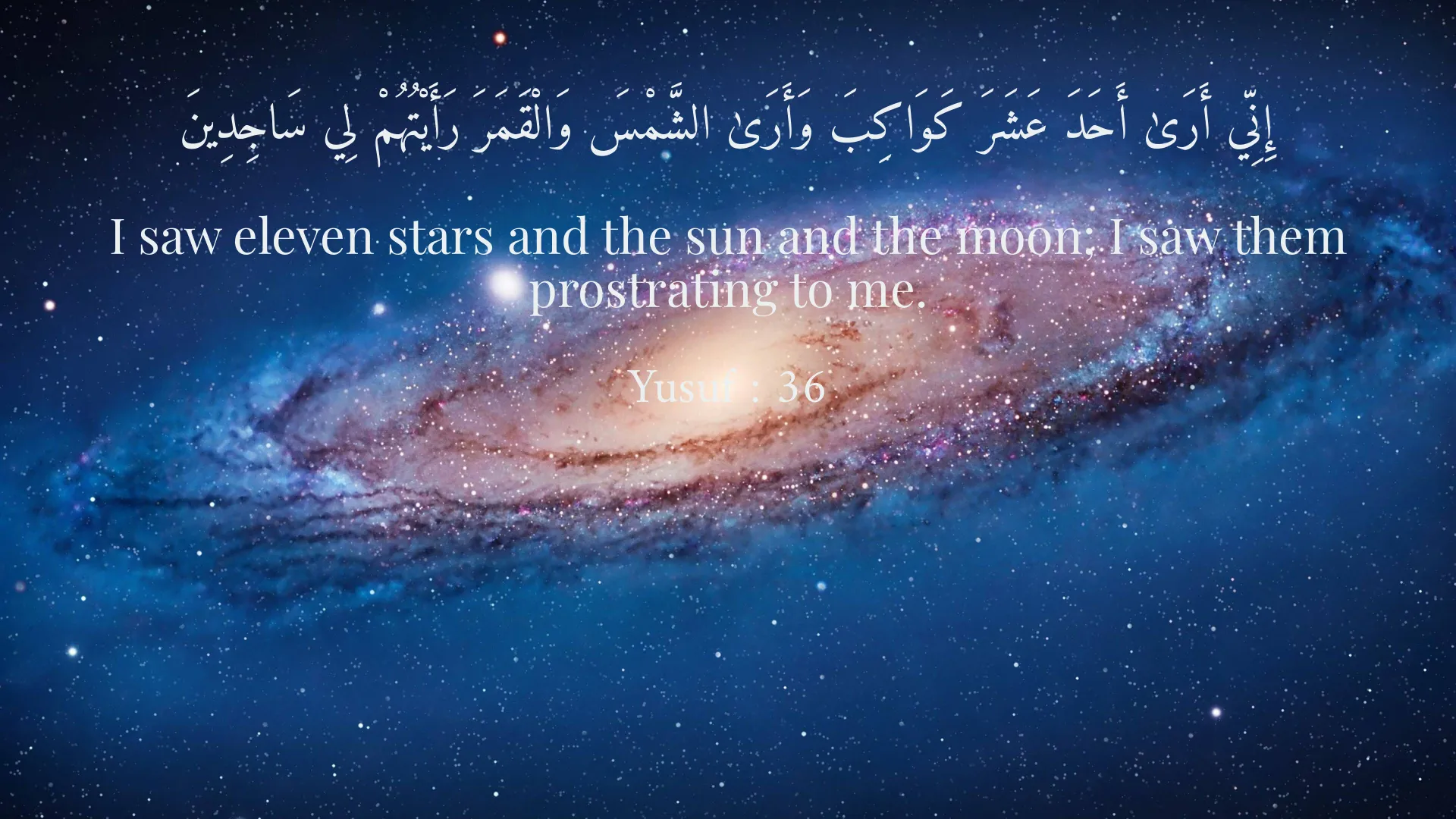
إِنِّي أَرَىٰ أَحَدَ عَشَرَ كَوَاكِبَ وَأَرَىٰ الشَّمْسَ وَالْقَمَرَ رَأَيْتُهُمْ لِي سَاجِدِينَ
I saw eleven stars and the sun and the moon; I saw them prostrating to me.
Yusuf : 36
فَبِمَا رَحْمَةٍ مِّنَ اللَّهِ لِنتَ لَهُمْ ۖ وَلَوْ كُنتَ فَظًّا غَلِيظَ الْقَلْبِ لَانفَضُّوا مِنْ حَوْلِكَ ۖ فَاعْفُ عَنْهُمْ وَاسْتَغْفِرْ لَهُمْ وَشَاوِرْهُمْ فِي الْأَمْرِ ۚ فَإِذَا عَزَمْتَ فَتَوَكَّلْ عَلَى اللَّهِ ۗ إِنَّ اللَّهَ يُحِبُّ الْمُتَوَكِّلِينَ
So by mercy from Allah, [O Muhammad], you were lenient with them. And if you had been rude in speech and harsh in heart, they would have disbanded from about you. So pass over [their faults] and ask forgiveness for them and consult them in [conducting] matters. And when you have decided, then rely upon Allah. Indeed, Allah loves those who rely [upon Him].
Al-Imran : 159
وَمَا كَانَ اللّهُ لِيُعَذِّبَهُمْ وَأَنْتَ فِيهِمْ ۖ وَمَا كَانَ اللّهُ مُعَذِّبَهُمْ وَهُمْ يَسْتَغْفِرُونَ
And Allah would not punish them while you are among them, and Allah would not punish them while they seek forgiveness.
Al-Anfal : 33
Short Story
One day, a man named Hasan was sitting in a public bath listening to his friends talk. They were discussing whether being religious meant being emotionless or not. Hasan thought about how he could express his emotions through his faith. He recalled the verses of the Quran and decided to incorporate love and kindness into his life. The next day, he helped one of his neighbors, and from that day on, he felt a stronger connection with God and others.