Quranic Answer
The Quran, as the holy book of Islam, provides profound guidance on countless aspects of life, including the importance of altruism and benevolent acts towards others. The act of doing good is not merely a social norm but is deeply ingrained in the fabric of Islamic teachings. It is viewed as a sacred duty that transcends personal benefit and fosters communal harmony. Through various verses, Allah emphasizes the power of charity, kindness, and supporting one another, making it clear that these actions are fundamental to Islamic values. In Surah Al-Baqarah, verse 271, Allah addresses the believers, "If you disclose your charities, it is well; but if you conceal them and give them to the poor, it is better for you." This verse emphasizes the value of both public and private acts of charity. While openly giving to charity can inspire others and bring social awareness to important issues, the act of helping others in secrecy highlights the intention behind the act itself. This principle is intrinsic to Islamic ethics, which places significant importance on sincerity (ikhlas). Concealing one’s good deeds allows for the purity of intention, elevating the merit of the act in the eyes of Allah. The teaching that hidden benevolence is more rewarding than public charity encourages believers to cultivate a spirit of generosity that does not seek recognition or praise. This notion is further supported by the idea that acts of kindness lead to an increase in divine rewards and the forgiveness of sins, reinforcing the reciprocal relationship between one's good actions and Allah’s mercy. Moreover, in Surah Al-Imran, verse 133, Allah calls upon believers to seek forgiveness and urges them toward Paradise: "And hasten to forgiveness from your Lord and a Paradise as wide as the heavens and the earth, prepared for the righteous." This verse illustrates an urgency in seeking forgiveness— a spiritual endeavor that requires action. Good deeds serve as a pathway leading believers toward divine mercy and eternal bliss in the afterlife. Allah not only invites believers to strive for forgiveness but does so with the imagery of Paradise, emphasizing that the pursuit of moral righteousness is directly tied to the ultimate reward of eternal life. Forgiveness of one's sins through good deeds indicates that every act of kindness reinforces a spiritual connection with Allah. This cycle of goodwill and divine mercy fosters an environment rich in compassion and empathy, ultimately resulting in stronger societal ties. It cultivates an atmosphere where individuals care for one another, share their burdens, and support their community members in times of need. The life of the Prophet Muhammad serves as a practical model for this principle. His teachings and actions consistently stressed kindness and assistance towards others. The Prophet's life was filled with examples of generosity, whether it was in aiding the less fortunate, taking care of orphans, or advocating for the rights of others. His emphasis on community welfare is rooted in the belief that creating a loving and merciful environment will lead to a better society. Such principles are not just theoretical but practically implemented in the Prophet's interactions with others. The social implications of doing good are immense. Engaging in acts of kindness nurtures a sense of belonging, reduces feelings of isolation, and fosters social cohesion. As individuals contribute to the welfare of others, communities strengthen their bonds and affirm the shared values of solidarity and compassion. This sense of responsibility towards fellow human beings aligns perfectly with Islamic ideals, where every individual plays a vital role in uplifting and supporting one another. Furthermore, charity is recognized in many different forms, not just in financial terms, but in any act that brings comfort or aid to another. It includes lending a listening ear, offering a helping hand, or simply engaging in supportive words. Such acts, although might seem small, have monumental effects on individuals’ lives and the community at large. Additionally, the emphasis on hidden charitable acts is particularly important in today’s world, where social media often glorifies and publicizes charitable contributions. People may feel that they need to publicly showcase their good deeds to be valued. However, Islam teaches that the intrinsic value of an act of kindness lies within its intention and sincerity, rather than its visibility or recognition. The global challenges facing society today, such as poverty, hunger, and discord, call for collective action and willingness to do good deeds. Rather than feeling overwhelmed by the scale of these issues, every individual can strive to contribute positively within their means. Every act of kindness, no matter how small, has the potential to create ripples of change. The Quran’s teachings serve as reminders that every believer possesses the power to make an impact through acts of charity and goodwill. In conclusion, doing good to others is not only a commendable social practice but is also fundamentally valuable from a divine perspective in Islam. The Quran encourages believers to embrace generosity, foster community, and seek forgiveness through good deeds. These acts not only heal personal sins but also contribute to the wellbeing of society, cultivating environments filled with compassion, mercy, and unity. The teachings of the Quran alongside the exemplary life of the Prophet Muhammad motivate and inspire Muslims to incorporate these values into their daily lives. As believers strive toward goodness, they nurture their spirits and contribute to a more harmonious and loving world, ultimately paving their path toward Divine forgiveness and eternal Paradise.
Related Verses
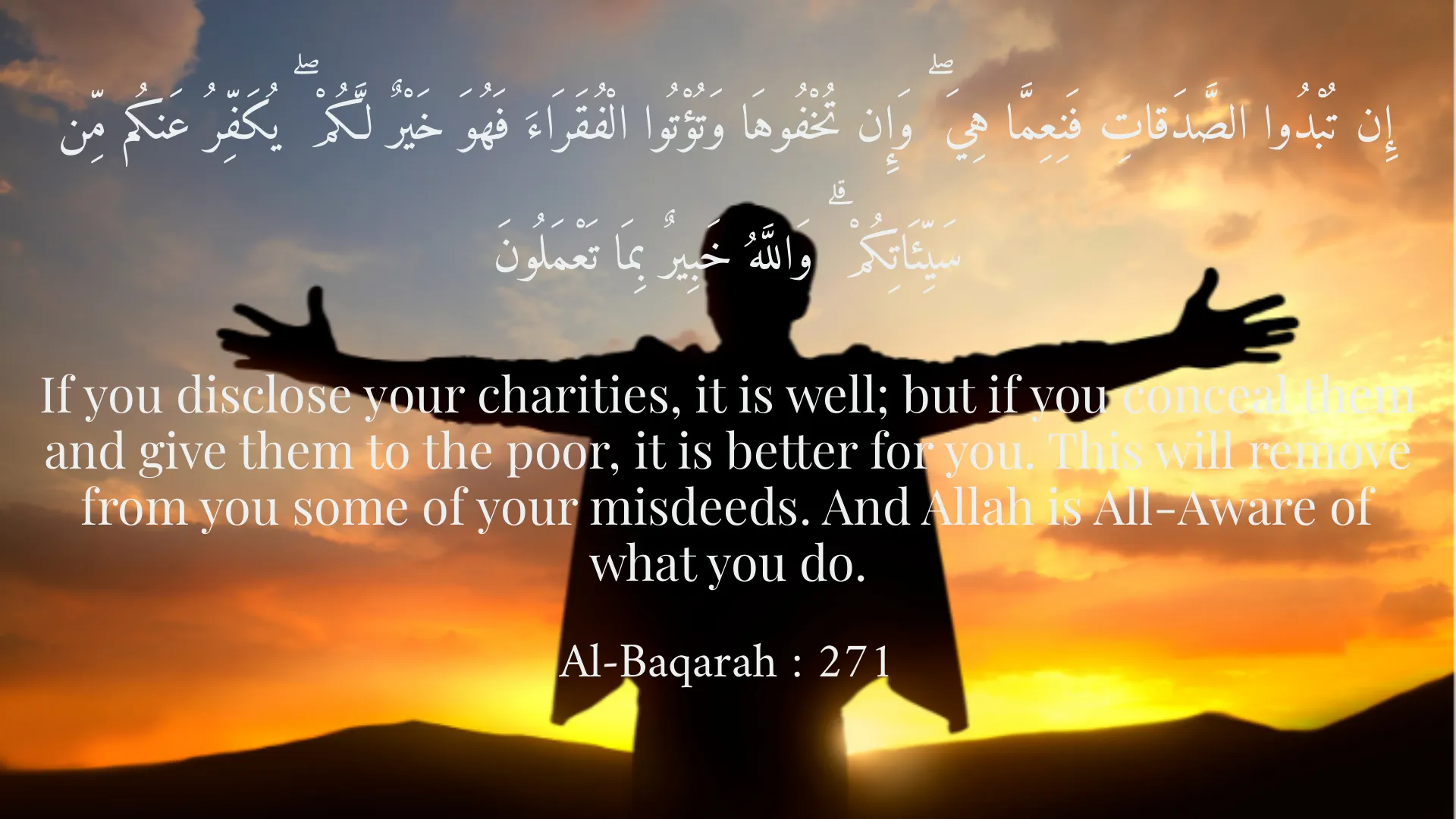
إِن تُبْدُوا الصَّدَقاتِ فَنِعِمَّا هِيَ ۖ وَإِن تُخْفُوهَا وَتُؤْتُوا الْفُقَرَاءَ فَهُوَ خَيْرٌ لَّكُمْ ۖ يُكَفِّرُ عَنكُم مِّن سَيِّئَاتِكُمْ ۗ وَاللَّهُ خَبِيرٌ بِمَا تَعْمَلُونَ
If you disclose your charities, it is well; but if you conceal them and give them to the poor, it is better for you. This will remove from you some of your misdeeds. And Allah is All-Aware of what you do.
Al-Baqarah : 271
وَسَارِعُوا إِلَى مَغْفِرَةٍ مِّن رَّبِّكُمْ وَجَنَّةٍ عَرْضُهَا كَعَرْضِ السَّمَاوَاتِ وَالْأَرْضِ أُعِدَّتْ لِلْمُتَّقِينَ
And hasten to forgiveness from your Lord and a Paradise as wide as the heavens and the earth, prepared for the righteous.
Al-Imran : 133
Short Story
One day, Adel was passing through a market and saw an elderly man begging for food. He decided to help the man and, without hesitation, gave him some money, thinking that this act might lead to forgiveness of his sins. After this good deed, Adel felt rejuvenated and at peace, realizing that helping others benefits not just them but also himself.