Quranic Answer
The question, "Does faith mean not fearing the future?", requires a nuanced understanding of the concept of faith (Iman) in the Holy Quran and the Sunnah of Prophet Muhammad (PBUH). Firstly, it's crucial to acknowledge that fear of the future is a natural human emotion and an integral part of the human psychological makeup. Every individual instinctively harbors anxieties about the unknown and what might transpire in the future. This apprehension can encompass concerns about livelihood, health, security, the fate of children, and various other worldly and otherworldly matters. Therefore, faith does not imply the complete eradication of this natural human sentiment. Instead, faith equips individuals with tools and insights that enable them to manage this fear, transform it into a constructive force, and prevent future anxiety from hindering their progress, efforts, and dynamic living. The Holy Quran, in numerous verses, advises believers to rely on God (Tawakkul), to be patient in the face of difficulties (Sabr), and to remember God (Dhikr). These three concepts are the foundational pillars for confronting the fear of the future from a Quranic perspective. Tawakkul does not mean abrogating one's responsibilities or idly waiting for things to happen. Rather, it means exerting all possible efforts within one's capacity and then entrusting the outcome to God. In essence, a believer is one who, through knowledge and action, lays the groundwork for success and good, and then, with heartfelt assurance in divine providence, dispels worries from their mind. The verse, "And whoever relies upon Allah – He is sufficient for him" (Surah At-Talaq: 65:3), clearly articulates this truth: that for whoever puts their trust in Allah, He will suffice them. This divine sufficiency encompasses inner peace, ease in affairs, and protection from harm. The believer knows that the future is in Allah's hands, and He knows and wills what is best for His servants more than anyone else. This reliance provides immense strength, enabling individuals to remain steadfast and pursue the right path, regardless of challenges. Patience (Sabr) is another Quranic strategy for managing fear of the future. Human life is constantly accompanied by ups and downs and trials. Sometimes, the future appears ambiguous and uncertain, and this very lack of clarity causes fear and anxiety. In such circumstances, patience and steadfastness help individuals prevent spiritual instability and calmly seek solutions. The Quran states: "O you who have believed, seek help through patience and prayer. Indeed, Allah is with the patient" (Surah Al-Baqarah: 2:153). This verse indicates that patience and prayer are two vital tools for confronting difficulties and worries, and Allah is always with those who are patient. Faith in divine promises instills a lasting resilience within the believer, enabling them to face potential future threats without apprehension and to move forward with confidence. This steadfastness not only transforms fear into active management of situations but also allows the individual to learn from past experiences and plan for a brighter future, without falling into the trap of paralyzing anxiety. The remembrance of Allah (Dhikr) also plays a profoundly significant role in soothing hearts and dispelling fear of the future. The Quran proclaims: "Those who have believed and whose hearts are assured by the remembrance of Allah. Unquestionably, by the remembrance of Allah hearts are assured" (Surah Ar-Ra'd: 13:28). This verse explicitly states that only through the remembrance of Allah do hearts find tranquility. When facing the unknown of the future, and when the human mind becomes entangled with negative possibilities, the remembrance of Allah – His names, His attributes (mercy, power, wisdom), and His promises – acts as an anchor that saves the heart from turmoil. The believer, by recalling that the Creator and Sustainer of the universe is the Most Merciful of those who show mercy, and that nothing is hidden from Him, alleviates their fears. This continuous remembrance not only reduces fear but replaces it with a sense of peace, hope, and spiritual self-confidence. This inner calm empowers individuals to approach challenges with a clearer vision and a more positive mindset, drawing upon the inner strength of their faith. The Quran also distinguishes between "fear of worldly future" and "fear of Allah." A true believer is someone who fears Allah; not in the sense of fearing a tyrant, but in the sense of fearing to disobey Him, fearing to be far from His mercy, and fearing His punishment in the Hereafter. This type of fear is constructive, leading one towards piety, righteousness, and good deeds. In contrast, the Quran prohibits believers from worldly fears that hinder progress and action. For instance, when facing enemies, believers are encouraged not to fear them because Allah is with them: "That is only Satan who frightens [you] of his supporters; so fear them not, but fear Me, if you are [truly] believers" (Surah Al-Imran: 3:175). This verse clearly states that fear of anyone other than Allah stems from the whispers of Satan, and believers should only fear Allah. This distinction shows that faith, instead of eliminating fear entirely, redefines and reorients it, so that fear becomes a factor of growth rather than stagnation. Therefore, faith does not mean the absence of experiencing the emotion of fear about the future. Rather, it signifies the ability to manage this fear, transform it into caution and planning, and ultimately, rely on the eternal power of Allah. A believer, by understanding the truth that everything that happens in the world is under divine will and decree, is liberated from paralyzing anxieties. They know that even if undesirable events occur, they are part of a divine plan that may contain profound wisdom and lessons for growth and elevation. This perspective grants the believer peace and assurance that even in the worst circumstances, they are not alone and have a Supporter and Guide in God. Ultimately, faith helps individuals to bravely step towards the future with hope and reliance, rather than succumbing to unknown fears, and to benefit from divine rewards in this world and the Hereafter. This heartfelt conviction frees life from the shackles of anxiety, giving it meaning and direction, and enabling the individual to confidently build a better tomorrow and achieve their life's higher goals. Indeed, faith does not eliminate fear, but rather transforms baseless fears into wise caution and replaces them with true fear (reverence for Allah), which itself is a source of good and righteousness. Thus, faith provides a driving force for righteous action and persistent effort in the path of truth, preventing any despair or hopelessness when facing life's challenges.
Related Verses
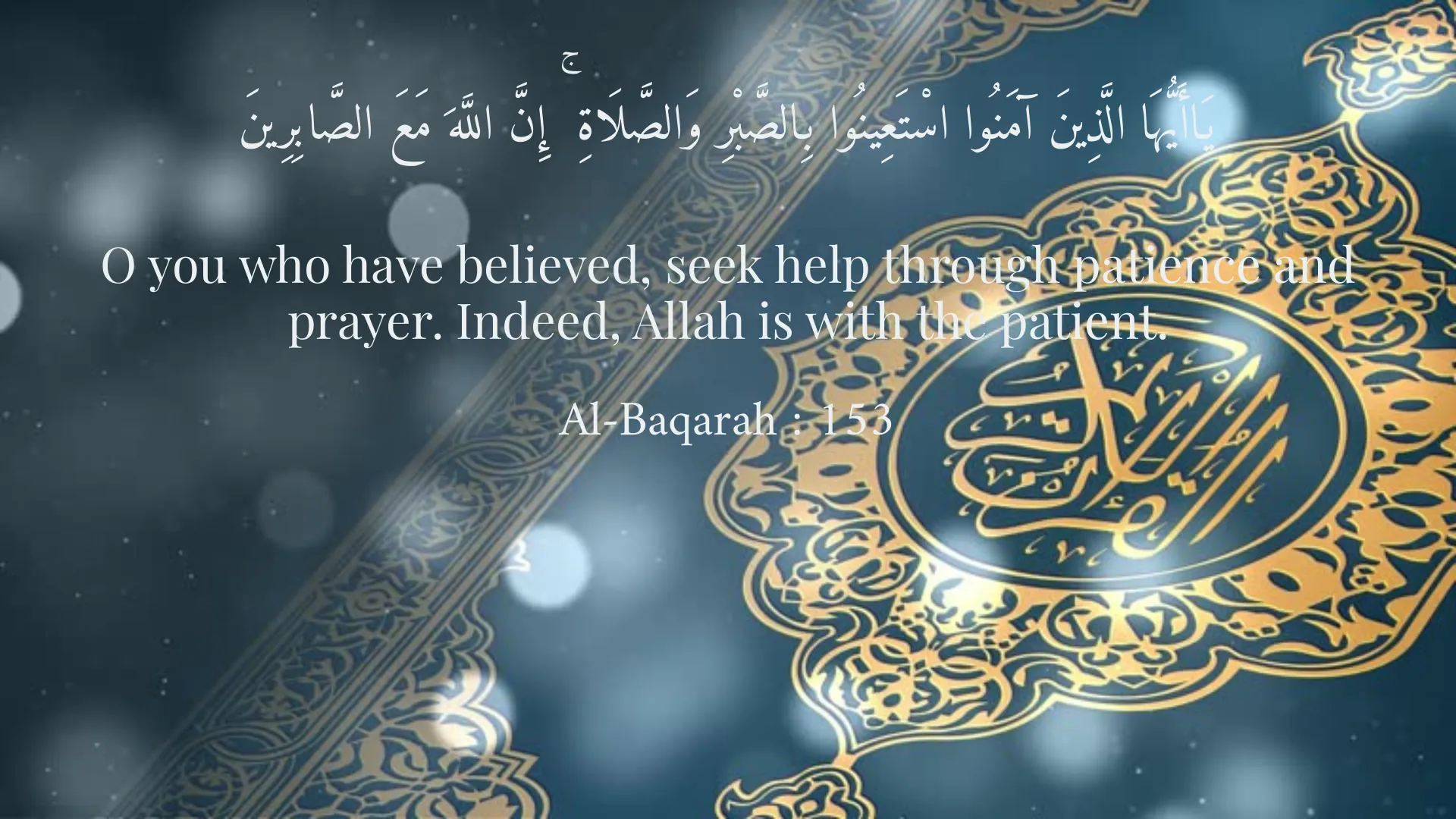
يَاأَيُّهَا الَّذِينَ آمَنُوا اسْتَعِينُوا بِالصَّبْرِ وَالصَّلَاةِ ۚ إِنَّ اللَّهَ مَعَ الصَّابِرِينَ
O you who have believed, seek help through patience and prayer. Indeed, Allah is with the patient.
Al-Baqarah : 153
الَّذِينَ آمَنُوا وَتَطْمَئِنُّ قُلُوبُهُمْ بِذِكْرِ اللَّهِ ۗ أَلَا بِذِكْرِ اللَّهِ تَطْمَئِنُّ الْقُلُوبُ
Those who have believed and whose hearts are assured by the remembrance of Allah. Unquestionably, by the remembrance of Allah hearts are assured.
Ar-Ra'd : 28
وَمَن يَتَوَكَّلْ عَلَى اللَّهِ فَهُوَ حَسْبُهُ ۚ إِنَّ اللَّهَ بَالِغُ أَمْرِهِ ۚ قَدْ جَعَلَ اللَّهُ لِكُلِّ شَيْءٍ قَدْرًا
And whoever relies upon Allah – He is sufficient for him. Indeed, Allah will accomplish His purpose. Allah has already set for everything a [decreed] extent.
At-Talaq : 3
Short Story
It is narrated that in ancient times, there was a wealthy merchant who possessed countless riches, yet he constantly feared market slumps and losing his wealth in the future. At night, he could not sleep for fear that he might one day become poor. One day, he approached a wise sage who was sitting peacefully by a stream, seemingly free from worldly concerns, and said: "O sage, how is it that with all my blessings, my heart finds no peace from the fear of the future? Yet I see you, with so little, sitting free from both worlds' worries." The sage smiled and replied: "O merchant, be mindful of what you allow into your heart. I am at ease because I know that the Provider is One, and He never forgets His servants. Your fear is not of the future itself, but of your own conjectures about the future. If you knew that your provision is destined and will come from where you least expect it, then your heart would find peace and you would be freed from the chains of this world." The merchant took heed of this counsel and understood that true faith is liberation from anxiety, not the denial of all natural fear, but rather its transformation into a tranquility coupled with reliance on God.