Quranic Answer
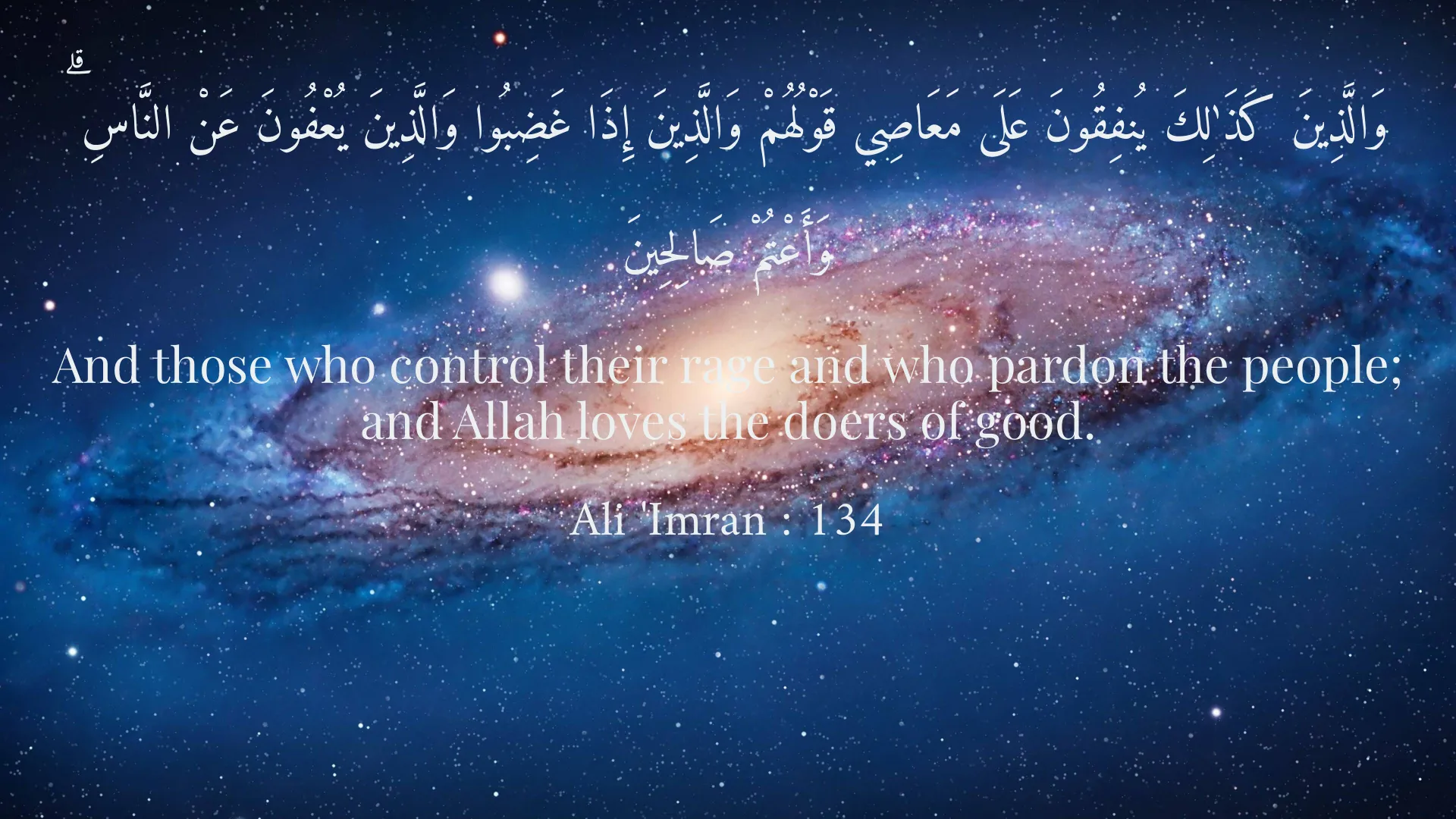
Forgiveness is a profound and often complex theme that resonates across various cultures and religions. Its importance is highlighted significantly in the teachings of the Holy Quran, where the act of forgiving others is not only encouraged but is viewed as a pathway to achieving inner peace. The concept of forgiveness extends beyond mere words; it embodies a lifestyle choice that advocates for compassion, understanding, and emotional healing. In this article, we will explore the significance of forgiveness as emphasized in the Quran, its implications for personal well-being, and how it can transform our relationships. One of the notable verses that reflect the importance of forgiveness is found in Surah Ali 'Imran, verse 134: "And those who control their rage and who pardon the people; and Allah loves the doers of good." This verse serves as a reminder that the ability to forgive is a noble quality attributed to believers. It emphasizes emotional regulation; controlling one’s rage is a critical aspect of emotional maturity and spiritual growth. Here, the Quran aligns forgiveness with goodness, suggesting that those who choose to pardon others are not only following divine commandments but are engaged in acts of kindness that cultivate love and respect within communities. The process of forgiving can often be challenging. Holding onto resentment can feel justified, especially when one has been wronged. However, the Quran advocates for letting go of these negative emotions as a means of achieving better mental and spiritual health. Forgiveness is synonymous with freedom; by forgiving, individuals liberate themselves from the shackles of anger and resentment that can weigh heavily on the soul. This burden, when lifted, fosters a sense of lightness, allowing individuals to experience a profound sense of tranquility and inner peace. Another enlightening aspect of forgiveness is addressed in Surah An-Nur, verse 22: "And let not those of you who possess wealth and abound in wealth swear not to give to the near relatives, the orphans, the needy, and let them pardon and overlook." This verse underscores the intertwined nature of forgiveness and generosity. The act of pardoning others aligns with the principles of charity and kindness - qualities that strengthen social bonds and encourage a supportive community. It urges not only the wealthy to share their resources but also suggests that the act of forgiving is a vital form of generosity that enriches both the giver and the receiver. Beyond its spiritual and communal aspects, forgiveness yields significant personal benefits. Research in psychology shows that forgiving individuals often experience lower levels of stress, anxiety, and depression. They tend to possess a healthier outlook on life, which can lead to improved relationships and stronger emotional resilience. The act of forgiving can therefore be seen as a therapeutic process – one that promotes healing and enhances one’s quality of life. Furthermore, let us discuss the role of forgiveness in the context of our daily challenges. Life is inherently laden with difficulties, conflicts, and misunderstandings. These experiences can create rifts in our relationships and harbor feelings of discontent. However, when we embrace forgiveness, we acquire the tools to navigate these challenges more effectively. By choosing to forgive, we diffuse situations that can lead to prolonged bitterness and disappointment. We foster an environment where open communication and healing prevail over animosity and confusion. This perspective aligns with the teachings of the Quran, where repeated encouragement toward forgiving others illuminates a path of mercy and compassion. The notion of forgiveness is not just a spiritual exercise; it's a profound ethos that influences our mental and emotional well-being, ultimately leading to a more fulfilling existence. Additionally, as we explore the concept of forgiveness, it is crucial to recognize that this process is not necessarily synonymous with forgetting. Forgiving someone does not imply condoning their actions or dismissing the impact of their behavior; instead, it signifies a conscious decision to release the hold those actions have over our lives. This distinction is vital — it allows individuals to heal while acknowledging the existence of pain and hurt without becoming a prisoner of resentment. Moreover, forgiveness can transform the dynamics of our relationships. Interpersonal conflicts are unavoidable in any setting, whether familial, professional, or social. When we forgive, we pave the way for healthier interactions and deeper connections. Forgiveness instills a sense of safety and trust, allowing individuals to communicate openly and resolve differences amicably. It becomes a catalyst for reconciliation, mending broken ties and fostering an atmosphere of love and mutual respect. In conclusion, embracing forgiveness is essential for cultivating inner peace and achieving a balanced life. The guidelines provided in the Quran on the subject encapsulate the benefits it holds, both spiritually and emotionally. By practicing forgiveness, we not only align ourselves with divine principles but also contribute positively to our mental health, relationships, and communities. Our journey through life will inevitably include moments of hurt and disappointment. However, the act of forgiving offers a divine remedy, allowing us to move forward with grace and tranquillity. It helps us pursue a higher purpose, one that resonates with love, empathy, and understanding. Thus, forgiveness should be viewed as not only a personal virtue but also as a social imperative, fostering harmony in our daily existence. Through consistent practice, forgiveness can become a cornerstone of our identity, leading us toward the inner peace we all seek.
Related Verses
وَالَّذِينَ كَذَٰلِكَ يُنفِقُونَ عَلَى مَعَاصِي قَوْلُهُمْ وَالَّذِينَ إِذَا غَضِبُوا وَالَّذِينَ يُعْفُونَ عَنْ النَّاسِ ۗ وَأَعْتُمْ صَالِحِينَ
And those who control their rage and who pardon the people; and Allah loves the doers of good.
Ali 'Imran : 134
وَلْيَعْفُوا وَلْيَصْفَحُوا ۚ أَلَا تُحِبُّونَ أَنْ يَغْفِرَ اللَّهُ لَكُمْ ۗ وَاللَّهُ غَفُورٌ رَحِيمٌ
And let not those of you who possess wealth and abound in wealth swear not to give to the near relatives, the orphans, the needy, and let them pardon and overlook.
An-Nur : 22
Short Story
One day, a man was in a green meadow reminiscing about his severed ties with an old friend. He wondered if it was worth losing this friendship. Remembering the teachings of the Quran, he decided to forgive. When he called his friend and apologized, he felt a burden lift off his shoulders. That day, he experienced the fruits of forgiveness in his heart, and in the following days, he found greater peace in his soul and mind.