Quranic Answer
This profound and insightful question delves into one of the most fundamental teachings of the Holy Quran: God's expansive mercy (Rahmah), endless forgiveness (Maghfirah), and the paramount importance of repentance (Tawbah). The unequivocal answer from the perspective of the Quran is a resounding yes. God Almighty not only grants humans second chances but continuously keeps the doors of repentance and return open, allowing His servants to learn from their mistakes, rectify their paths, and return to Him. These successive opportunities are a vivid manifestation of God's attributes, such as "Ar-Rahman" (The Most Merciful), "Ar-Rahim" (The Especially Merciful), "Al-Ghaffar" (The All-Forgiving), and "At-Tawwab" (The Acceptor of Repentance). Every moment of a human's life, if accompanied by awareness and insight, can be an opportunity for introspection, correction, and progress. These opportunities are a symbol of God's boundless grace and generosity, never allowing His servant to despair, even if they are sinful, and always paving the way for their return. The Holy Quran, the divine book of guidance, is replete with verses that call humanity to repent and turn away from sins. This invitation signifies God's limitless forgiveness and a fresh opportunity for every human being who seeks self-improvement. For instance, in Surah Az-Zumar, verse 53, God addresses humanity with a tone brimming with love and hope: "Say, 'O My servants who have transgressed against themselves [by sinning], do not despair of the mercy of Allah. Indeed, Allah forgives all sins. Indeed, it is He who is the Forgiving, the Merciful.'" This verse explicitly states that no sin is so great that God's mercy and forgiveness cannot encompass it, provided that the repentance is sincere and from the heart. This in itself is the greatest "second chance" bestowed upon humanity, giving hope that there is always a way to compensate and return. This Quranic perspective, unlike views that confine a person to their past, is a dynamic and utterly hopeful approach. The concept of repentance (Tawbah) in Islam transcends mere regret; it is a spiritual and practical process that involves deep remorse for the sin, a firm and resolute decision not to repeat it in the future, making amends (if possible, such as restoring the rights of others), and returning to God through righteous deeds. God accepts this repentance and erases sins, and in some instances, even transforms evil deeds into good ones, as stated in Surah Al-Furqan, verse 70: "Except for those who repent, believe and do righteous work. For them Allah will replace their evil deeds with good. And ever is Allah Forgiving and Merciful." This transformation of bad deeds into good ones is the pinnacle of divine generosity and a unique opportunity for a fresh and better start and attaining higher ranks in the sight of God. This indicates that God not only forgives but also rewards those who truly return to Him. The significance of these second chances lies in the fact that this worldly life is a field for human trial and development. God created humans with free will, granting them the power to choose between the path of truth and falsehood, good and evil. In this journey, errors and slips are natural and inevitable, and no human, except the infallible ones, is immune to them. If God were to close the door to return and reform after every mistake, the very purpose of human creation and their trial would not be fulfilled. Therefore, providing multiple opportunities for repentance and correction stems from God's perfect wisdom and infinite justice. Every time a person regrets a sin and sincerely turns back to their Lord, it is a new opportunity given to them to rectify their past and build a better and brighter future for themselves. The continuous nature of these opportunities is a factor for hope and moving forward, and should never lead a person into despair or hopelessness. However, an important point to note is that these second chances are available as long as the soul has not reached the throat, and the door of death has not closed. The Holy Quran, in Surah An-Nisa, verse 18, alludes to this limitation: "But repentance is not for those who do evil deeds until, when death approaches one of them, he says, 'Indeed, I have repented now,' nor for those who die while they are disbelievers. For them We have prepared a painful punishment." This verse indicates that the opportunity for repentance and return is before the arrival of death and the unveiling of ultimate truth, while a person still has free will and can make a decision and consciously change their path. After death, the opportunity for action and change in this world ends, and a person will only witness the outcome of their deeds. Thus, it can be concluded that God continuously grants humans successive and perpetual opportunities to rectify themselves. These opportunities not only include repentance for major sins but also encompass daily chances to perform good deeds, compensate for shortcomings, and improve moral qualities. Every day, every moment, every call to prayer (Adhan), and every prayer (Salat) serves as a reminder and a new opportunity to draw closer to God and make amends for the past. This perspective is not only hopeful but also carries responsibility, as every lost opportunity might not return, especially the ultimate chance of repentance before death. Therefore, one must appreciate these divine opportunities and utilize them to achieve the best in this world and the hereafter. God's mercy and grace are boundless, and He is always eager for His servants to return. These endless opportunities demonstrate the greatness and wisdom of a Creator who desires the well-being and success of His servants above all else, and who always keeps the path of return and reform open for them. This divine gift encourages humanity never to give up on self-improvement and striving to be better, even if they have stumbled multiple times and lost their way.
Related Verses
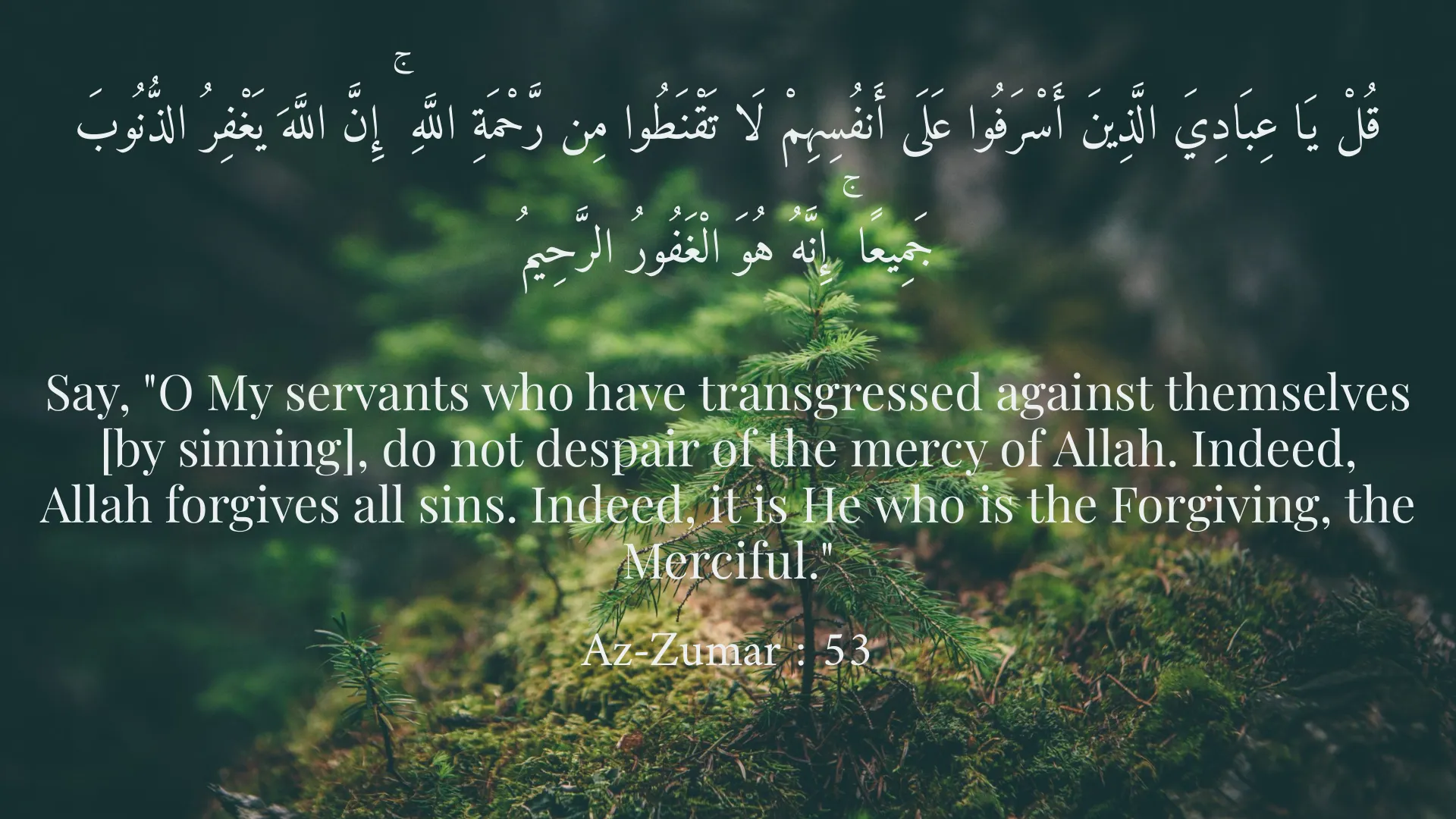
قُلْ يَا عِبَادِيَ الَّذِينَ أَسْرَفُوا عَلَى أَنفُسِهِمْ لَا تَقْنَطُوا مِن رَّحْمَةِ اللَّهِ ۚ إِنَّ اللَّهَ يَغْفِرُ الذُّنُوبَ جَمِيعًا ۚ إِنَّهُ هُوَ الْغَفُورُ الرَّحِيمُ
Say, "O My servants who have transgressed against themselves [by sinning], do not despair of the mercy of Allah. Indeed, Allah forgives all sins. Indeed, it is He who is the Forgiving, the Merciful."
Az-Zumar : 53
إِلَّا مَن تَابَ وَآمَنَ وَعَمِلَ عَمَلًا صَالِحًا فَأُولَئِكَ يُبَدِّلُ اللَّهُ سَيِّئَاتِهِمْ حَسَنَاتٍ ۗ وَكَانَ اللَّهُ غَفُورًا رَّحِيمًا
Except for those who repent, believe and do righteous work. For them Allah will replace their evil deeds with good. And ever is Allah Forgiving and Merciful.
Al-Furqan : 70
وَلَيْسَتِ التَّوْبَةُ لِلَّذِينَ يَعْمَلُونَ السَّيِّئَاتِ حَتَّىٰ إِذَا حَضَرَ أَحَدَهُمُ الْمَوْتُ قَالَ إِنِّي تُبْتُ الْآنَ وَلَا الَّذِينَ يَمُوتُونَ وَهُمْ كُفَّارٌ ۚ أُولَئِكَ أَعْتَدْنَا لَهُمْ عَذَابًا أَلِيمًا
But repentance is not for those who do evil deeds until, when death approaches one of them, he says, 'Indeed, I have repented now,' nor for those who die while they are disbelievers. For them We have prepared a painful punishment.
An-Nisa : 18
Short Story
In ancient times, there lived a king named Faridun, known for his harshness and injustice. His subjects feared him, and no one dared to protest. Faridun saw himself at the pinnacle of power and thought of nothing but worldly pleasures. One day, he fell gravely ill, and physicians gave up hope for his recovery. As he lay on his sickbed, he saw the moments of his life flash before his eyes like a film. The grudges, the oppressions, and the violated rights of the people shook his heart. He, who had never thought of death until yesterday, now saw it approaching and was terrified of divine accountability. Amidst his weakness and helplessness, he remembered a wise sage who had advised him years ago: "O King! Power is transient, but injustice leaves a lasting mark. Return to the straight path, for the gates of divine mercy are always open." Suddenly, Faridun awoke from his illness with a sense of profound realization. Strangely, his strength began to recover. He took this event as a sign of divine mercy and a second chance. From then on, Faridun was no longer the tyrannical king. With a heart full of remorse and hope, he began to rectify his past wrongs. He ordered justice to be established throughout his realm, provided for the poor and needy, and assisted the oppressed. The people were astonished by this tremendous transformation and called him "Faridun the Just." Until the end of his life, he never ceased repenting and doing good deeds. In this way, he made the best use of the opportunity God had granted him, leaving behind a good name. This story testifies that as long as one breathes, there is an opportunity to return and reform, and God always accepts the penitent servant.