Quranic Answer
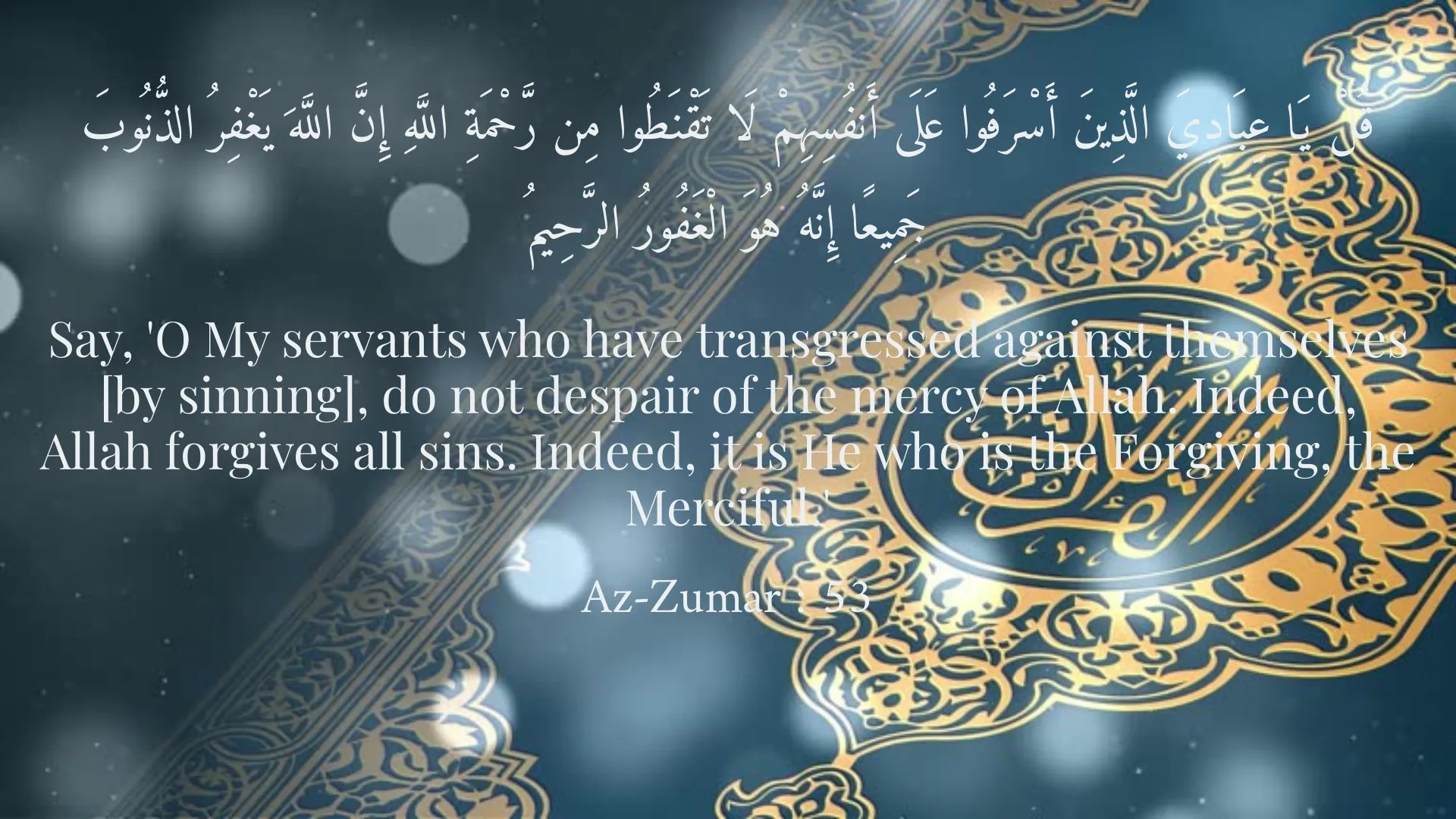
The question of whether God judges an individual based on their past sins requires a deep understanding of divine attributes such as Justice, Mercy, Forgiveness, and Wisdom, which are extensively detailed in the Holy Quran. Allah Almighty describes Himself in the Quran with names like "Al-Ghafoor" (The Oft-Forgiving), "Ar-Rahim" (The Most Merciful), and "At-Tawwab" (The Acceptor of Repentance). These names inherently indicate that the divine door is always open to servants who intend to return and reform and are willing to abandon their wrong paths. This profound understanding of the divine essence is the foundation of the Islamic perspective on sin and repentance. At first glance, yes, God is fully aware of all our actions, including past sins, and nothing is hidden from His knowledge. He is ever-present and observant of every moment of our lives, knowing even our slightest intentions and actions. The divine system of justice is based on meticulous accounting, where every action, whether good or evil, is recorded, and individuals will receive their due reward or punishment. This principle is emphasized in many verses, such as: "So whoever does an atom's weight of good will see it, And whoever does an atom's weight of evil will see it." (Surah Az-Zalzalah, 99:7-8). These verses clearly state that no action goes unnoticed, and every individual is responsible for their own deeds and choices. However, Allah's mercy and forgiveness precede His wrath and punishment. This is where the concept of "Tawbah" (repentance) comes into play, which is not merely an escape route but a unique opportunity for purification and a fresh start. Tawbah means the sincere return of a servant from sin to God with genuine remorse and a firm resolve not to return. The Holy Quran refers to the importance and acceptance of repentance in numerous verses, viewing it not just as a request for forgiveness but as a process of internal transformation. One of the most hopeful verses in this regard is Surah Az-Zumar, verse 53: "Say, 'O My servants who have transgressed against themselves [by sinning], do not despair of the mercy of Allah. Indeed, Allah forgives all sins. Indeed, it is He who is the Forgiving, the Merciful.'" This verse explicitly states that Allah forgives all sins, provided the servant repents and does not despair. This broad invitation applies to every sinner who truly desires change and return. The only exception to this comprehensive forgiveness, without sincere repentance, is associating partners with Allah (Shirk), but even Shirk can be forgiven if sincere repentance occurs before death, which demonstrates the boundless vastness of divine mercy. True repentance is not merely uttering "Astaghfirullah" (I seek forgiveness from Allah), but rather a fundamental change in heart, mind, and behavior. Repentance has crucial conditions and pillars, without which it will not be complete and accepted: 1. Heartfelt Remorse: The servant must genuinely regret the sin committed and feel aversion towards it, such that this remorse emanates from the depths of their being, not just out of fear of worldly or otherworldly consequences. 2. Abandonment of Sin: One must immediately cease from continuing the sin and move towards reform. Continuing to sin while claiming repentance indicates a lack of sincerity. 3. Firm Resolve Not to Return: A strong and firm decision must be made never to revert to that sin. This resolve must be strong enough to repel future temptations. 4. Rectification of Rights of Others (Huquq al-Ibad): If the sin involved violating the rights of others (e.g., usurping someone's property or defaming their reputation), one must compensate them or seek their forgiveness. This aspect of repentance holds special importance, as Allah has entrusted the rights of His servants to themselves. If a servant performs sincere repentance (Tawbah Nasuh) with these conditions, Allah not only forgives their sins but, in some cases, even transforms their evil deeds into good ones. Surah Al-Furqan, verse 70, addresses this: "Except for those who repent, believe and do righteous deeds; for those, Allah will change their evil deeds into good ones. And Allah is ever Forgiving, Most Merciful." (Al-Furqan, 25:70). This demonstrates the immense magnitude of divine mercy, which not only pardons the sin but also erases its negative impact, turning it into an opportunity for earning rewards. This transformation of evil deeds into good ones can be interpreted in several ways: firstly, Allah eradicates the ill effect of the sin and grants reward due to the genuine regret and sincere repentance; secondly, the motivations that previously led one to sin might now transform into motivations for performing good deeds and righteous actions. Furthermore, the Quran emphasizes the principle that "No bearer of burdens will bear the burden of another." (Al-An'am, 6:164 and Fatir, 35:18). This verse indicates that God's judgment is entirely personal and individual, and everyone is responsible for their own actions. Therefore, if someone repents and adopts the right path, their current good deeds will be effective for their future, and their past sins will be forgiven through repentance. The focus of divine judgment shifts to the individual's current state and intention after repentance, rather than solely on a past from which they have returned. In addition to repentance, performing good deeds can also atone for minor sins. Surah Hud, verse 114 states: "And establish prayer at the two ends of the day and at the approach of the night. Indeed, good deeds do away with evil deeds. That is a reminder for those who remember." (Hud, 11:114). This verse suggests that good deeds, especially prayer which is a pillar of faith, and other acts of worship and good deeds, can erase minor sins and eliminate their negative effects. This mechanism opens another door of divine mercy for servants. Ultimately, Allah is the Absolute Just. He judges His servants based on the path they ultimately choose. If a person is a sinner but performs sincere repentance at the end of their life and dies with faith, Allah's mercy will encompass them. Although their past sins are recorded in their book of deeds, repentance transforms this record to indicate their change and return, and this positive change is immensely valuable in the divine sight. Therefore, one should not despair of Allah's mercy but rather return to Him with earnestness and sincerity. Allah welcomes with open arms a servant who returns to Him with regret and an intention for reform, illuminating their dark past with the light of repentance and righteous deeds. His judgment is not out of malice but out of justice, wisdom, and encompassed by boundless mercy. He knows the past, but He gives special value and credibility to the present and future of a servant after repentance. This hope is a powerful motivator for every human being who seeks to purify their soul and return to the path of truth.
Related Verses
قُلْ يَا عِبَادِيَ الَّذِينَ أَسْرَفُوا عَلَى أَنفُسِهِمْ لَا تَقْنَطُوا مِن رَّحْمَةِ اللَّهِ إِنَّ اللَّهَ يَغْفِرُ الذُّنُوبَ جَمِيعًا إِنَّهُ هُوَ الْغَفُورُ الرَّحِيمُ
Say, 'O My servants who have transgressed against themselves [by sinning], do not despair of the mercy of Allah. Indeed, Allah forgives all sins. Indeed, it is He who is the Forgiving, the Merciful.'
Az-Zumar : 53
إِلَّا مَن تَابَ وَآمَنَ وَعَمِلَ عَمَلًا صَالِحًا فَأُولَٰئِكَ یُبَدِّلُ اللَّهُ سَیِّئَاتِهِمْ حَسَنَاتٍ وَکَانَ اللَّهُ غَفُورًا رَّحِیمًا
Except for those who repent, believe and do righteous deeds; for those, Allah will change their evil deeds into good ones. And Allah is ever Forgiving, Most Merciful.
Al-Furqan : 70
وَأَقِمِ الصَّلَاةَ طَرَفَیِ النَّهَارِ وَزُلَفًا مِنَ اللَّیْلِ إِنَّ الْحَسَنَاتِ یُذْهِبْنَ السَّیِّئَاتِ ذَلِكَ ذِكْرَى لِلذَّاكِرِینَ
And establish prayer at the two ends of the day and at the approach of the night. Indeed, good deeds do away with evil deeds. That is a reminder for those who remember.
Hud : 114
إِنَّمَا التَّوْبَةُ عَلَى اللَّهِ لِلَّذِينَ يَعْمَلُونَ السُّوءَ بِجَهَالَةٍ ثُمَّ يَتُوبُونَ مِن قَرِيبٍ فَأُولَٰئِكَ يَتُوبُ اللَّهُ عَلَيْهِمْ وَكَانَ اللَّهُ عَلِيمًا حَكِيمًا
The acceptance of repentance by Allah is only for those who do evil in ignorance and then repent soon after. It is those to whom Allah will turn in forgiveness, and Allah is ever Knowing and Wise.
An-Nisa : 17
Short Story
It is narrated that during the lifetime of Sheikh Saadi, there was a man who had spent his life in idleness and sin, and whose heart was filled with regret and remorse. One day, as he was walking, he saw the Sheikh and, full of shame, asked: "O Sheikh, is there a path back for someone like me, who has erred throughout his life? Does the Lord judge me for my past and deprive me of His mercy?" Sheikh Saadi smiled and said: "O noble man, the door of repentance is never closed. Have you not heard that God says in the Quran: 'Do not despair of the mercy of Allah'? If you regret what you have done and have turned your heart towards the Truth, know that God is more merciful than to hold a servant accountable for a sin from which they have repented. He is like a father who welcomes his erring child with open arms. Every step you take towards Him, He takes ten steps towards you, forgiving your past and making you righteous." The man was heartened by these words, chose the path of righteousness, and thereafter lived with a good reputation.