Quranic Answer
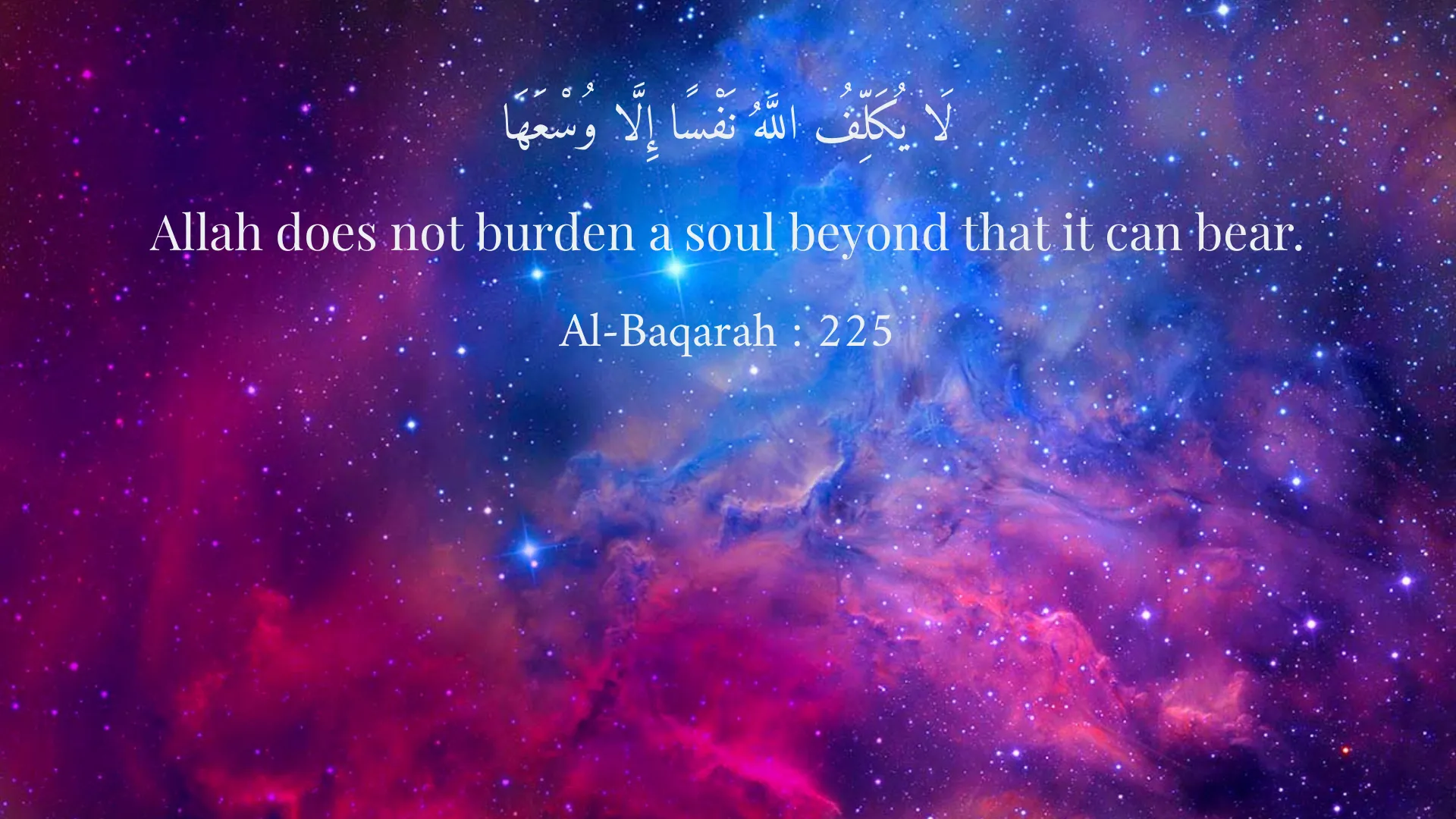
In the Holy Quran, the central theme of intentions is emphasized throughout various verses, highlighting their significance in the lives of believers. The concept of intention holds a pivotal place in Islam, as it forms the foundation upon which deeds are judged. The importance of intentions can be traced back to the very nature of how actions are valued in the eyes of Allah. It is often said that actions are judged by their intentions, underscoring the necessity of having pure and good intentions when striving to perform good deeds. This article aims to explore the teachings of the Holy Quran regarding intentions, illustrating how good intentions can lead to immense divine rewards, and ultimately affect one's fate in this world and the Hereafter. In Surah Al-Baqarah, verse 225, Allah states, ‘Allah does not burden a soul beyond that it can bear.’ This particular verse signifies that Allah is fully aware of the struggles and the capabilities of each individual. He understands what one is capable of enduring and recognizes the intentions behind actions. This leads to the interpretation that one’s intentions are evaluated based on their motivations. Therefore, Allah’s judgment is not merely based on the outward actions but significantly influenced by the inner framework of intentions that drive those actions. The nature of intentions is further articulated in Surah Al-Ma'idah, verse 32, where Allah mentions, ‘If anyone saves a life, it will be as if he has saved all of humanity.’ This profound statement conveys the immense value placed on good actions stemming from sincere intentions. The verse illustrates that saving a single life is equated with the sanctity of all humankind, signifying that good intentions paired with noble actions lead to rewards beyond expectations. The essence of good intentions in Islam is deeply rooted in the concept of mercy and compassion. The teachings of the Prophets are rich with examples that reiterate how a pure heart, driven by the intent to do good, can transform lives and communities. We can recount numerous stories from the lives of the Prophets where their steadfastness, rooted in pure intentions, led to miraculous outcomes. These stories are not just historical accounts; they serve as a guide for humanity, emphasizing the critical role that intentions play in the path toward success and salvation. Moreover, the Quran communicates a clear understanding that the very fabric of human existence is interwoven with moral and ethical responsibilities. In practicing Islam, believers are reminded that their intentions should align with the desires of Allah. The concept of intention, or ‘Niyyah’ in Arabic, is so crucial that even the routine acts of daily life become acts of worship when performed with the right intentions. For instance, someone who intends to earn a livelihood to provide for their family while being mindful of God’s commandments transforms a mundane activity into a meaningful pursuit that pleases Allah. The consequences of intentions are not limited to the spiritual realm. In the narrative of many Prophets, such as Prophet Muhammad (PBUH), we observe that the impact of good intentions reverberates within the community and the society at large. The Prophet’s mission was driven by the intention to guide humanity towards righteousness and away from ignorance. His good intentions paved the way for the spread of Islam across the globe, affecting countless lives and transforming societies. The ripple effect of such intentions cannot be understated, as they continue to inspire millions of people even centuries later. In the context of intentions being likened to a tree, one can visualize how good intentions serve as roots that can grow into fruitful outcomes. A good deed, when performed with sincere intentions, not only yields benefits in this world but also promises rewards in the Hereafter. Believers are encouraged to nurture their intentions, much like a gardener cares for a young tree, so that it can flourish and bear fruit. This metaphor of a tree signifies that pure intentions create a strong foundation, allowing individuals to cultivate good deeds that benefit themselves and others. The Quranic teachings provide a profound reminder to believers about the significance of their intentions. Good intentions have a potent ability to transcend an individual's immediate environment, fostering a sense of community and shared purpose. This interconnectedness is particularly relevant in the modern world, where societal issues often stem from misguided intentions and actions. Understanding the power of good intentions can serve as a guiding principle for individuals seeking to contribute positively to society. As believers reflect upon this aspect of their faith, they come to realize that striving for good intentions is an everyday endeavor that requires constant self-assessment. It necessitates an unwavering commitment to align one's actions with the pursuit of righteousness. This inner journey brings individuals closer to Allah, as they strive to remove any impurities from their hearts and minds, focusing solely on what is good and beneficial. Additionally, the Quran teaches that every good deed, no matter how small, is acknowledged by Allah. This divine recognition further reinforces the belief that intentions play a cardinal role in shaping one’s destiny. In essence, Allah rewards those who act with sincerity and purpose, regardless of the magnitude of their actions. This enlightening perspective empowers believers to appreciate the value of their intentions, inspiring them to strive for excellence in their deeds. To conclude, the emphasis on the importance of intentions in the Holy Quran cannot be overstated. The divine guidance provided through various verses reiterates the significance of cultivating good intentions as a vital component of Islamic faith. The Quran encourages believers to be mindful of their intentions, knowing that these underlying motivations will determine the value and efficacy of their actions. Just as a tree bears fruit, so too does a good intention yield positive outcomes in this world and the Hereafter. Ultimately, this belief is a beacon of hope for believers, guiding them along the righteous path that leads to spiritual fulfillment and divine rewards.
Related Verses
لَا يُكَلِّفُ اللَّهُ نَفْسًا إِلَّا وُسْعَهَا
Allah does not burden a soul beyond that it can bear.
Al-Baqarah : 225
مَن أَحياها فَكأنَّما أَحيا النَّاس جَميعًا
If anyone saves a life, it will be as if he has saved all of humanity.
Al-Ma'idah : 32
Short Story
One day in a village, a man with good intentions decided to help an orphan child. He began to give part of his earnings to this child, and in return, the smile and happiness of the child became a great reward for him. Gradually, others were influenced and began to help orphans too. This act not only changed the lives of the children but also brought the man more peace and happiness.