Quranic Answer
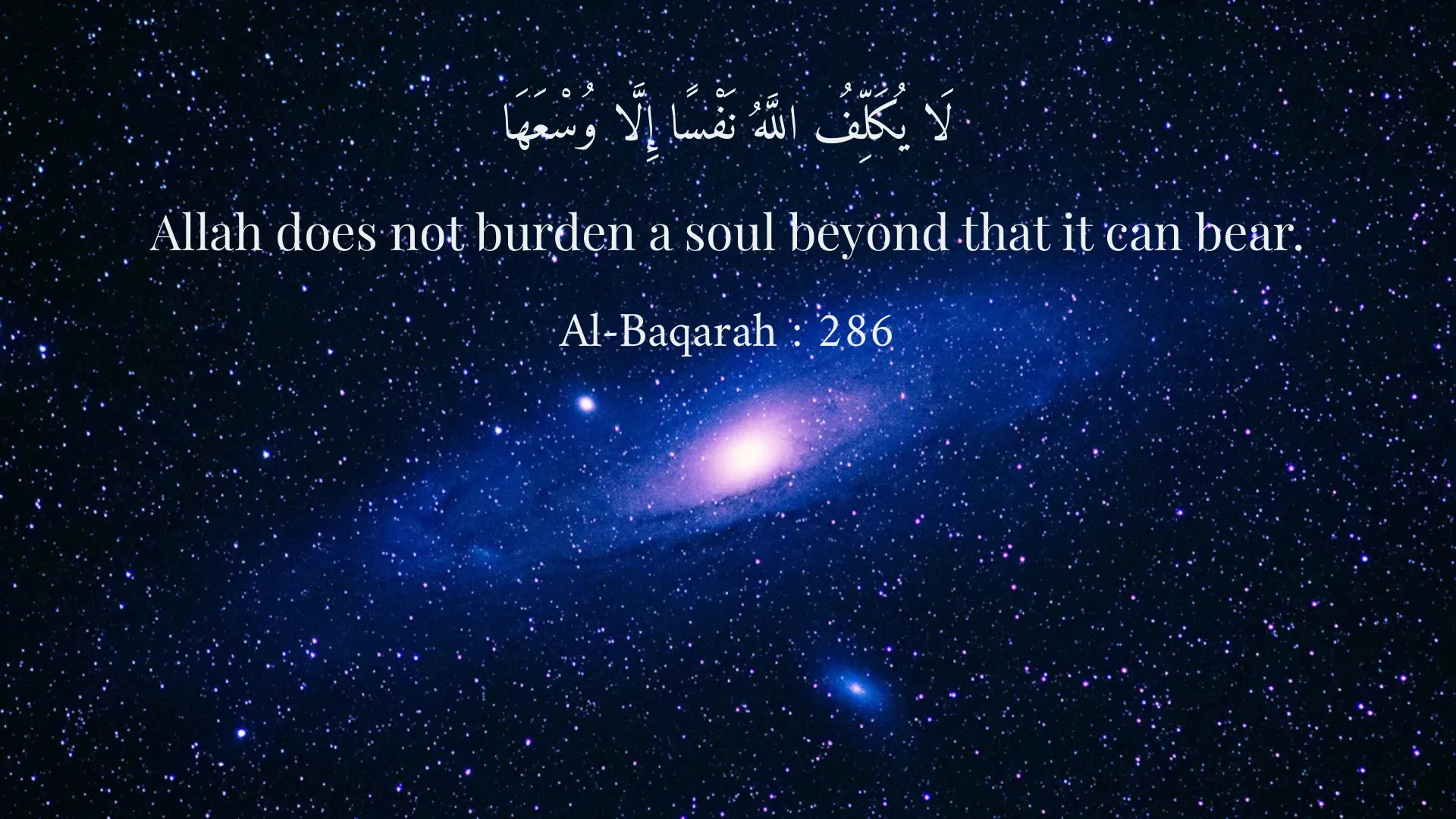
In the Holy Quran, the sacred text of Islam, there is a profound emphasis on the significance of good deeds and the relentless pursuit of noble endeavors in life. This cornerstone of Islamic belief is illustrated in various verses that not only highlight the ethical and moral framework of the religion but also provide guidance on how to lead a fruitful and meaningful life. Understanding the value of diligence and hard work is pivotal for Muslims as they navigate their daily responsibilities and strive to fulfill their spiritual and communal obligations. One of the most noteworthy references to the value of personal effort can be found in Surah Al-Baqarah, verse 286, where Allah states, "Allah does not burden a soul beyond that it can bear." This verse serves as a powerful reminder that human beings are endowed with capabilities that enable them to overcome challenges and hardships. It reassures individuals that their efforts towards good are recognized by Allah and that they are not expected to undertake more than what they can manage. Therefore, the verse calls upon Muslims to engage in righteous endeavors, trusting that they possess the strength and resilience needed to succeed. Moreover, in the journey of life, the intention behind each act holds significant weight. In Surah An-Nisa, verse 79, Allah mentions, "Whatever good comes to you is from Allah, and whatever evil befalls you is from yourself." This serves a dual purpose: imploring individuals to recognize that any success or good fortune is a result of divine blessing while simultaneously underscoring personal responsibility for one's failures or misfortunes. This verse highlights the importance of hard work and effort, as it suggests that diligence can lead to positive outcomes, both in this life and the Hereafter. Active engagement in good deeds fosters personal growth and strengthens the connection between an individual and their Creator, demonstrating that one’s actions, whether good or bad, directly reflect upon them. In further support of the value of efforts, Surah Az-Zumar, verse 10, presents Allah's glad tidings to those who strive sincerely in His cause: "Indeed, the ones who have believed and done righteous deeds will have the Gardens of Paradise as a reward." This assurance of a great reward profoundly motivates believers to pursue their religious obligations with perseverance and dedication. The concept of striving for a higher purpose resonates deeply within the hearts of Muslims and shapes their identities as they aspire to contribute positively to society and fulfill divine mandates. In Islam, the principle of diligence is not merely an individual pursuit; it encompasses a broader societal obligation. Diligence and hard work are emphasized as fundamental tenets of serving humanity, addressing the needs of the community, and fulfilling personal responsibilities. Engaging in acts of kindness and cooperation reflects the Islamic value of collectivism, which encourages individuals to support one another. Acts of charity, community service, and mutual aid are all seen as manifestations of hard work, which offers individuals an opportunity to earn rewards from Allah. This calls for a transformative approach to work, one that prioritizes the welfare of others and positions individuals as active participants in their communities. Islamic teachings advocate for a balanced perspective on work and spirituality. The concept of "Ibadah," which encompasses all acts of worship, extends beyond traditional rituals to include daily work and engagements. This perspective places the act of work within the purview of worship, defining it as an opportunity to seek closeness to Allah through industriousness and ethical practice. By considering one’s work as part of their spiritual journey, Muslims are encouraged to maintain integrity, honesty, and sincerity in their endeavors. Ultimately, this creates a positive ripple effect within society, promoting not just personal fulfillment but the collective good. The teachings of the Quran encourage believers to reflect on their capabilities and utilize them to benefit others. Consequently, hard and conscientious work should not be confined to personal ambitions but rather extend to addressing the needs of others, championing social justice, and being aware of those less fortunate. Engaging in this aspirational journey can lead individuals to a greater understanding of their place within the community and the broader moral framework of Islam. In contemporary society marked by rapid change, the values of hard work and dedication remain relevant and crucial. The challenges that individuals face today, from economic pressures to social responsibilities, necessitate a steadfast commitment to personal and collective advancement. By incorporating the ethos of hard work and perseverance into their daily lives, Muslims can draw inspiration from the Quran and its teachings, striving to uplift not only their own lives but also the lives of those around them. Furthermore, the importance of integrity and sincerity in one’s efforts cannot be overstated. Islam calls upon individuals to approach their work with honesty, avoid deception, and foster an environment of trust. These ethical guidelines enhance the quality of human interactions and promote a culture of respect and cooperation. In recognizing the symbiotic relationship between individual achievement and communal welfare, Muslims can better appreciate their roles as stewards of society, committed to fulfilling ethical and spiritual obligations. In conclusion, the Holy Quran provides profound insights into the value of good deeds and the importance of hard work in life. The affirmations from verses such as those found in Surah Al-Baqarah, Surah An-Nisa, and Surah Az-Zumar not only encourage individuals to persevere towards noble goals but also hold them accountable for their actions. Hard work and sincerity are paramount as Muslims strive to serve humanity and fulfill divine purposes. Through diligent efforts, individuals can find fulfillment in contributing positively to their communities while also earning Allah’s favor and rewards in the Hereafter. As such, understanding and embodying these values can lead to a deeper connection with faith and a more harmonious society.
Related Verses
لَا يُكَلِّفُ اللَّهُ نَفْسًا إِلَّا وُسْعَهَا
Allah does not burden a soul beyond that it can bear.
Al-Baqarah : 286
وَمَا أَصَابَكَ مِنْ حَسَنَةٍ فَمِنَ اللَّهِ وَمَا أَصَابَكَ مِن سَيِّئَةٍ فَمِن نَّفْسِكَ
Whatever good comes to you is from Allah, and whatever evil befalls you is from yourself.
An-Nisa : 79
إِنَّمَا يُوَفَّى الصَّابِرُونَ أَجْرَهُمْ بِغَيْرِ حِسَابٍ
Indeed, the patient will be given their reward without account.
Az-Zumar : 10
Short Story
One day, a man named Hasan was overwhelmed by the hardships of his life. He always felt tormented and believed that nothing he did bore fruit. One day, while reading the Quran, he came across a verse that told him that every effort he makes is esteemed by Allah. This verse reminded him that even small efforts have a positive reflection in the eyes of God. From that day on, Hasan decided to work with greater enthusiasm, and thus, his days were filled with hope and success.