Quranic Answer
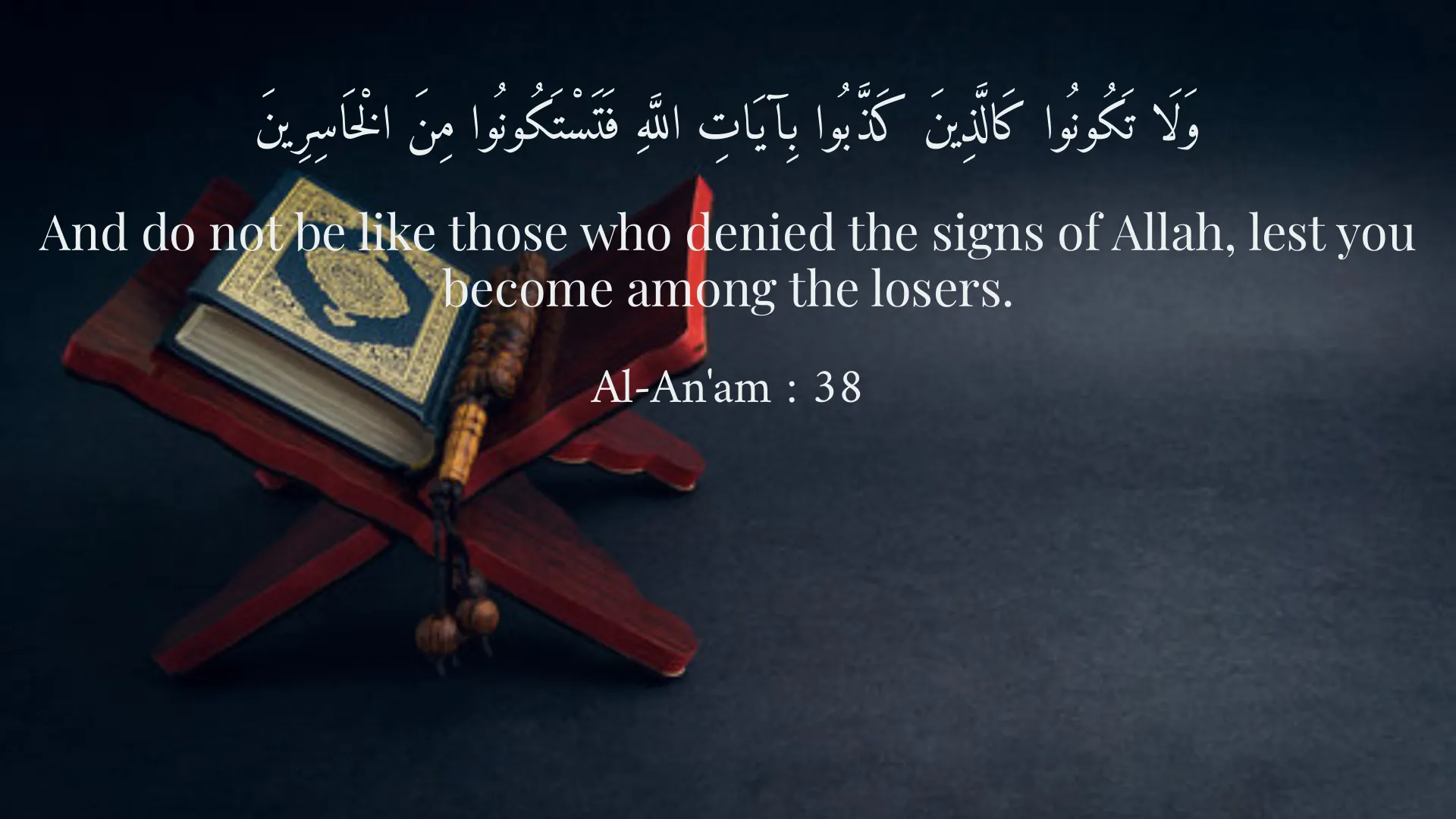
The concept of kindness and good deeds towards all of God's creatures is a fundamental principle in Islamic teachings, particularly as outlined in the Holy Quran. This essential notion emphasizes the crucial role empathy, compassion, and fairness play not only in human interactions but also in our relationships with animals and the environment. These teachings underscore our moral obligations to treat all living beings with respect and dignity, providing a framework for ethical behavior that benefits both societies and ecosystems. In this article, we will explore various Quranic verses and prophetic traditions that highlight the importance of kindness to animals, illustrating how these principles can guide humane treatment and stewardship of animal life in our modern world. One of the most poignant verses regarding this theme can be found in Surah Al-An'am (Chapter 6, Verse 38), where Allah states: "And do not be like those who denied the signs of Allah, lest you become among the losers." This verse serves as a reminder to humanity about the consequences of negligence towards God's signs, which encompass the many created beings and ecosystems around us. Denying or ignoring these signs can lead to one becoming a loser, spiritually and perhaps even materially, as the weight of injustice and oppression towards any creature ultimately reflects back on human existence. This call for kindness extends to all of God's creations, urging believers to extend a helping hand, whether towards fellow humans or animals. The Quranic perspective is clear: the way we treat animals matters, and it is part of our obligation to uphold justice and compassion. The significance of treating animals with grace is further elaborated in Surah Al-Ma'idah (Chapter 5, Verse 32), which states: "Whoever kills a soul unless for a soul or for corruption [done] in the land - it is as if he had slain mankind entirely." This verse imparts a profound message that life, regardless of its form, is precious and interconnected. The moral imperative here indicates that to unjustly harm any creature is to disrupt the very balance of creation. Thus, when we reflect on the practical implications of these verses, the importance of protecting and aiding animals becomes even more pronounced. The act of caring for animals and addressing their needs is not merely a charitable deed; it holds deeper theological and ethical significance. The sense of accountability we hold toward all creatures reflects our understanding of stewardship in the world that Allah has created. The prophetic traditions (Hadith) further enrich this perspective. The Prophet Muhammad (PBUH) consistently emphasized the need for kindness towards animals. One striking saying is: "There is reward for showing mercy to every living being." This Hadith signifies that compassion is not confined to interactions with humans but extends universally to every life form. By extending kindness to animals, believers not only gain spiritual merit in the eyes of Allah but contribute positively to the well-being of society as a whole. It reflects an inherent moral quality that Islam advocates, which is essential for a harmonious community. This consideration of kindness towards animals is especially relevant today, as issues such as animal cruelty, environmental degradation, and exploitation of resources increasingly dominate global discourse. As Muslims and global citizens, we are called to reflect the principles found in our religious texts through our actions. From promoting animal welfare to advocating against cruelty and advocating for sustainable practices, the teachings of the Quran and Hadith provide a guiding light for ethical stewardship. Furthermore, as we build connections with the natural world, it is imperative to convey the message of responsible care to younger generations. Instilling empathy towards animals within educational paradigms can foster more compassionate leaders in the future. Engaging in community service that focuses on animal care, rehabilitation, or rescue efforts can further amplify these values, promoting a culture of kindness and responsibility. Creating awareness through platforms advocating for humane treatment of animals also aligns with the prophetic teachings. By promoting organizations that provide refuge for abandoned or abused animals, we can fulfill our spiritual obligations while contributing to progress toward a more humane society. Encouraging responsible pet ownership, supporting wildlife conservation, and participating in ethical farming practices are also ways through which individuals can embody this message of kindness. In conclusion, the Quran provides strong guidance on the importance of kindness and respect towards all living beings, particularly animals. Allah’s commands juxtapose with prophetic teachings emphasizing mercy and compassion, encouraging us to treat every creature with dignity. As we move through the complexities of modern life, it is essential to remember that our actions, big or small, have consequential effects on the world around us. By showing kindness and taking action towards the well-being of animals, not only do we fulfill our ethical responsibilities, but we also nurture our relationship with Allah, drawing closer to Him through acts of compassion. It is through these simple yet profound acts of kindness that we can truly embody the messages espoused in the Quran and Hadith, ensuring a brighter and more equitable future for all of God’s creation.
Related Verses
وَلَا تَكُونُوا كَالَّذِينَ كَذَّبُوا بِآيَاتِ اللَّهِ فَتَسْتَكُونُوا مِنَ الْخَاسِرِينَ
And do not be like those who denied the signs of Allah, lest you become among the losers.
Al-An'am : 38
مَن قَتَلَ نَفْسًۭا بِغَيْرِ نَفْسٍ أَوْ فَسَادٍ فِي الْأَرْضِ فَكَأَنَّمَا قَتَلَ النَّاسَ جَمِيعًا
Whoever kills a soul unless for a soul or for corruption [done] in the land - it is as if he had slain mankind entirely.
Al-Ma'idah : 32
Short Story
One day, a man encountered a helpless animal. He kindly fed the animal and spent some time with it. After a brief interaction, he felt that not only had he helped the animal, but his heart was also filled with peace and joy. This feeling reminded him that any act of kindness and love, whether towards humans or animals, brings one closer to God and earns rewards.