Quranic Answer
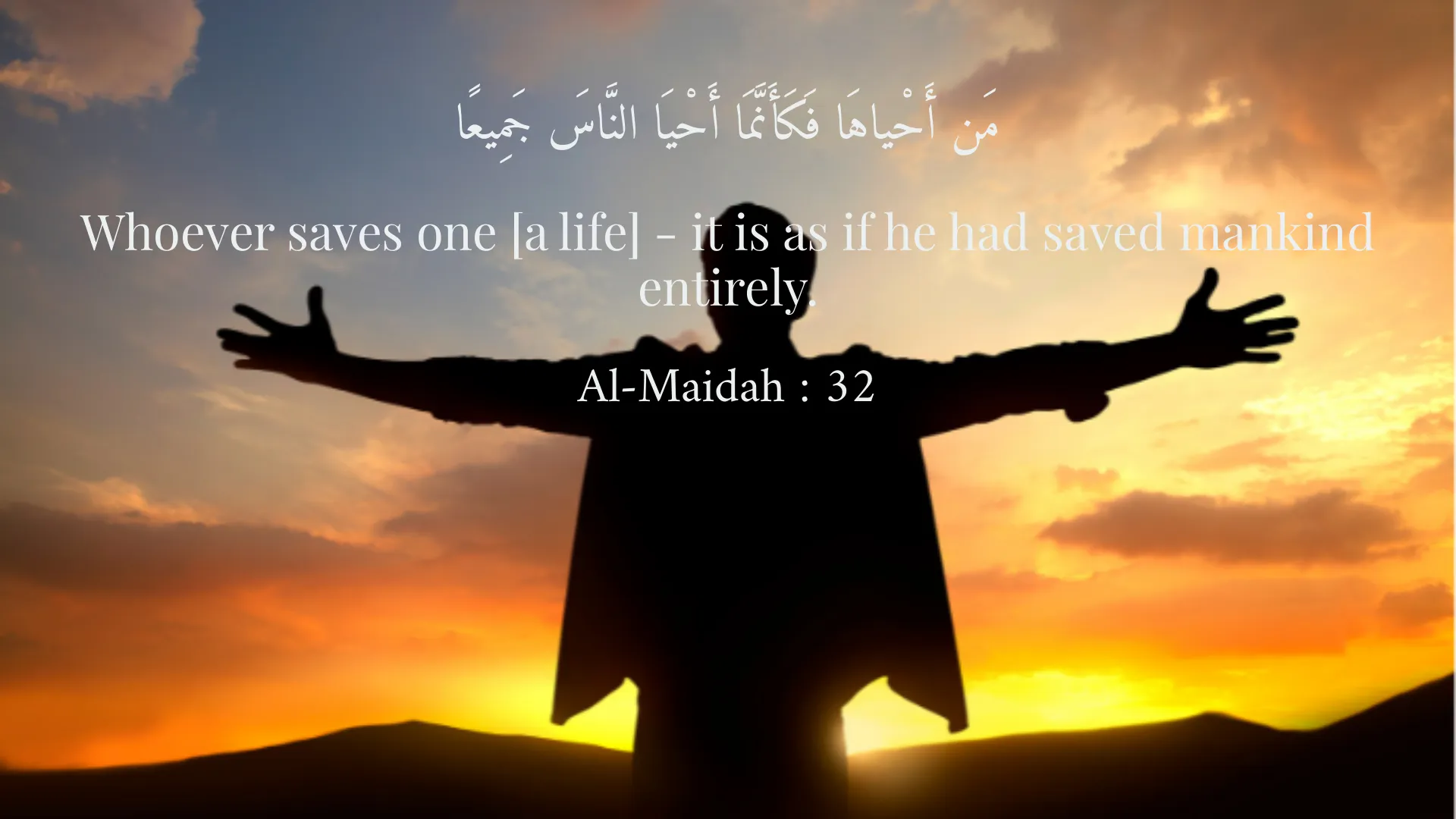
In the Holy Quran, the value of helping others and serving humanity is clearly emphasized. Allah says in Surah Al-Maidah, verse 32: 'Whoever saves one [a life] - it is as if he had saved mankind entirely.' This verse illustrates the profound impact of helping others on one’s soul and spirit. When we help others, we are essentially aiding ourselves. The sense of satisfaction and peace that comes from Allah is one of the rewards for helping others. Furthermore, in Surah Al-Baqarah, verse 261, Allah speaks about charity and helping those in need, explaining that the reward is like a seed that sprouts and yields multiple seeds. Thus, being attentive to the needy and assisting them leads to growth and abundance of goodness in one’s life. As Muslims, we have an obligation to engage in good deeds and benevolence towards others. This not only has an impact on our material lives but is also vital in our spiritual journey. By aiding others, we disseminate love and friendship within our communities and contribute to both our own growth and that of others. Therefore, it can be concluded that helping others is indeed an effective means for personal growth. The Quran speaks profoundly about the importance and necessity of compassion and charity in various parts. This becomes evident when we perspective beyond the literal sense of charity to the bigger picture of social responsibility. The act of helping others is not an isolated burst of kindness; it is a fundamental aspect of our interactions as individuals within a community. Engaging in humanitarian efforts creates a ripple effect, sparking more acts of kindness and fostering a culture where people look out for one another. This is vital in building a supportive community where individuals can thrive together. Research supports the notion that altruism is not just a commendable trait; it offers physiological benefits as well. Studies suggest that individuals who dedicate time and resources to aiding others report higher levels of happiness and lower levels of stress. The emotional reward associated with helping others encourages a positive feedback loop—a concept evidently echoed in the Quran, which reassures that the more we give, the more we receive in terms of spiritual fulfillment and the blessings from the Almighty. It can be argued that helping others embodies the very essence of human existence. In societies where individuals prioritize self-interest over communal well-being, mistrust and animosity can thrive. Conversely, when helping others becomes the norm, bonds of mutual respect and trust blossom. A society that emphasizes and practices altruism nurtures a sense of belonging among its members. The efforts to extend help—monetary or emotional—help to break down barriers between individuals, enabling a more cohesive community. Moreover, there are multiple forms of helping others beyond traditional charity. These acts can be simple, such as offering a kind word to someone going through a tough time, volunteering for community programs, or simply listening to a friend in need. Empathy is a crucial attribute in helping others; it fosters understanding and enables individuals to connect on a deeper level. Recognizing the struggles of others cultivates a sense of responsibility towards the wellbeing of our neighbors and wider society. Just as Surah Al-Baqarah, verse 261 illustrates, acts of charity are not only limited to financial giving. It emphasizes nurturing the seeds of goodness within ourselves. In life, every small act of kindness can lead to incredible outcomes. This nurturing process creates a chain reaction that reaches beyond our immediate circles and creates a more compassionate society. Imagine a world where every person contributes in whatever capacity they can—whether through material support, emotional help, or even simply being a good listener. The cumulative effect would transform societies. Engaging in good deeds is not just a religious obligation but a vital practice for personal development. Completing acts that benefit others can broaden our perspectives, helping us develop gratitude for our lives and our circumstances. When we witness suffering, we can respond not only with sympathy but act upon our feelings by providing tangible assistance. This active participation lowers our own grievances and often brings about a profound realization of the blessings we hold. Moreover, the spiritual dimension of aiding others cannot be overlooked. In Islam, the concept of Iman (faith) is deeply linked to good works. Helping others becomes a testament to a person's faith. The Quran consistently reinforces this by linking good deeds to rewards from Allah, thus illustrating not just a moral imperative but also a religious one. The alignment between one’s faith and actions showcases the holistic approach Islam advocates, where faith complements and drives human interactions. In conclusion, the Quran sets forth a compelling case for helping others as a foundational principle in both personal and communal growth. As believers, we have clear directives to engage in acts of kindness, which leads to both personal satisfaction and societal empowerment. The reciprocal nature of benevolence—where helping others uplifts the benefactor and the recipient—underscores the interconnectedness of humanity. The peace and satisfaction derived from such acts enrich our spiritual lives, fulfilling Allah’s command while propelling us toward a meaningful existence. Thus, we can firmly conclude that helping others lays a solid foundation for personal growth and community development, fortifying the bonds that hold society together.
Related Verses
مَن أَحْياهَا فَكَأَنَّمَا أَحْيَا النَّاسَ جَمِيعًا
Whoever saves one [a life] - it is as if he had saved mankind entirely.
Al-Maidah : 32
مَثَلُ الَّذِينَ يُنفِقُونَ أَمْوَالَهُمْ فِي سَبيلِ اللَّهِ كَمَثَلِ حَبَّةٍ أَنبَتَتْ سَبْعَ سُنبُلَاتٍ
The example of those who spend their wealth in the way of Allah is like a seed which sprouts seven ears.
Al-Baqarah : 261
Short Story
Once upon a time, there was a man named Ali who lived in a small town. He was deeply concerned with helping others and tried hard every day. One day, he saw an elderly man lying in the street. Ali immediately helped him and took him home. After the old man regained his health, he thanked Ali for his assistance. Ali felt very happy about this and sensed that his life was filled with blessings. From that day onward, Ali sought more opportunities to help others, and each time he did, he felt an increasing sense of peace and happiness in his heart.