Quranic Answer
Prayer is considered one of the most fundamental acts of worship in Islam and plays a pivotal role in the spiritual lives of Muslims. Prescribed by God as an essential practice, prayer is not merely a ritualistic action. Instead, it embodies a deeper connection between the believer and the Creator. Through prayer, Muslims are able to communicate their innermost thoughts and feelings, seek guidance, and find solace in the hustle and bustle of everyday life. The importance of prayer is underscored throughout the Quran, which emphasizes its necessity and significance in nurturing one’s faith and relationship with God. In the Quran, prayer is often described as a means of drawing closer to God and gaining profound peace of mind. For instance, in Surah Al-Baqarah, verse 153, God addresses the believers, stating: "O you who have believed, seek help through patience and prayer. Indeed, Allah is with the patient.” This powerful verse highlights the dual role of prayer as both a source of strength and comfort during difficult times. It serves as a reminder to the believers that when they face adversities, turning to prayer can provide them with the endurance needed to overcome obstacles and challenges. Expanding upon this theme, Surah Ar-Ra'd, verse 28 states: "Indeed, it is by the remembrance of Allah that hearts are assured.” This verse suggests that engaging in the remembrance of God through prayer is essential for achieving tranquility and peace in one’s heart. The act of praying allows individuals to cultivate a deeper awareness of God’s presence in their lives, thereby instilling a sense of calm and reassurance. In the chaotic world we live in, where stress and anxiety are commonplace, prayer acts as a powerful tool for believers. It offers them a moment of pause to reflect, connect with the divine, and recharge their spiritual batteries. This practice empowers Muslims to demonstrate patience and resilience during turbulent times, ultimately helping them navigate the challenges that life throws their way. Moreover, prayer is an intimate act of worship that fosters a unique connection between the believer and God. When a Muslim prostrates in prayer and directly communicates with God, they often experience a profound sense of closeness and peace. This intimate dialogue encourages individuals to express gratitude, seek forgiveness, and find guidance, ultimately reinforcing their faith and commitment to their beliefs. In these moments of introspection and submission, believers are reminded of their dependence on God and their role as His servants. The communal aspect of prayer also contributes to its importance in Islam. Muslims are encouraged to pray together, especially during the congregational prayers held in mosques. This collective act of worship fosters a sense of community, belonging, and support among believers. It can uplift individuals, strengthen bonds, and promote a spirit of cooperation and unity in the broader Muslim community. As they gather for prayer, members of the community share in each other's joys and sorrows, further reinforcing the importance of mutual support and togetherness. Additionally, studies have shown that engaging in regular prayer can have significant mental health benefits. Many individuals report feeling reduced levels of stress, anxiety, and depression due to their spiritual practices. The act of praying can serve as a valuable coping mechanism, helping believers to navigate feelings of isolation and despair. The rhythmic nature of prayer, combined with the contemplative moments of silence, allows individuals to find balance and clarity in their lives. For many Muslims, prayer is not just a spiritual obligation; it forms the cornerstone of their daily routine. The five daily prayers (Salah) are scheduled throughout the day, providing believers with consistent opportunities to reconnect with God. This regularity not only strengthens their faith but also carves out sacred time in their busy lives for reflection and spiritual growth. These moments become an essential escape from worldly distractions, allowing individuals to place their focus solely on their relationship with God. In conclusion, prayer serves not only as a fundamental act of worship in Islam but also as a means of attaining peace and tranquility in a chaotic world. It acts as a powerful tool for alleviating stress and anxiety, empowering believers to face life's challenges with patience and resilience. Prayer fosters a deep sense of connectivity with God, providing individuals with the reassurance and guidance they seek. Furthermore, it nurtures a strong sense of community and support among fellow believers, enabling them to share in one another's sorrows and joys. As Muslims engage in prayer and remembrance of Allah, they find solace and strength to move forward, experience a calm heart, and embrace life with renewed hope and faith.
Related Verses
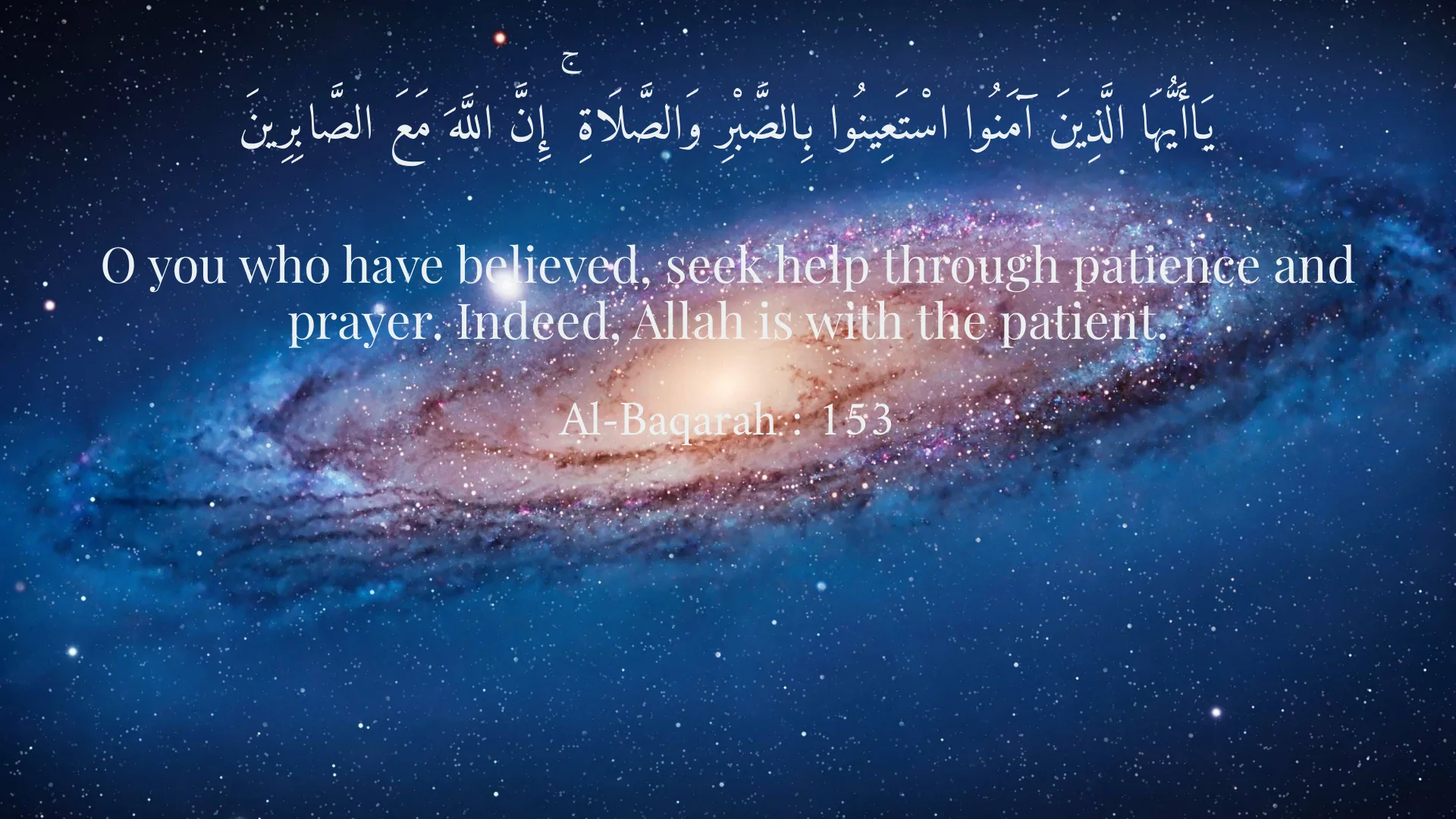
يَاأَيُّهَا الَّذِينَ آمَنُوا اسْتَعِينُوا بِالصَّبْرِ وَالصَّلَاةِ ۚ إِنَّ اللَّهَ مَعَ الصَّابِرِينَ
O you who have believed, seek help through patience and prayer. Indeed, Allah is with the patient.
Al-Baqarah : 153
أَلا بِذِكْرِ اللَّهِ تَطْمَئِنُّ الْقُلُوبُ
Indeed, it is by the remembrance of Allah that hearts are assured.
Ar-Ra'd : 28
Short Story
One day, Abolfazl, a thoughtful young believer, pondered how he could achieve inner peace. While praying one day, he felt all his stress and worries melt away. He realized that with every unit of prayer, the heavy burdens lightened off his shoulders. From that day on, he prioritized prayer in his life and found tranquility and calmness within.