Quranic Answer
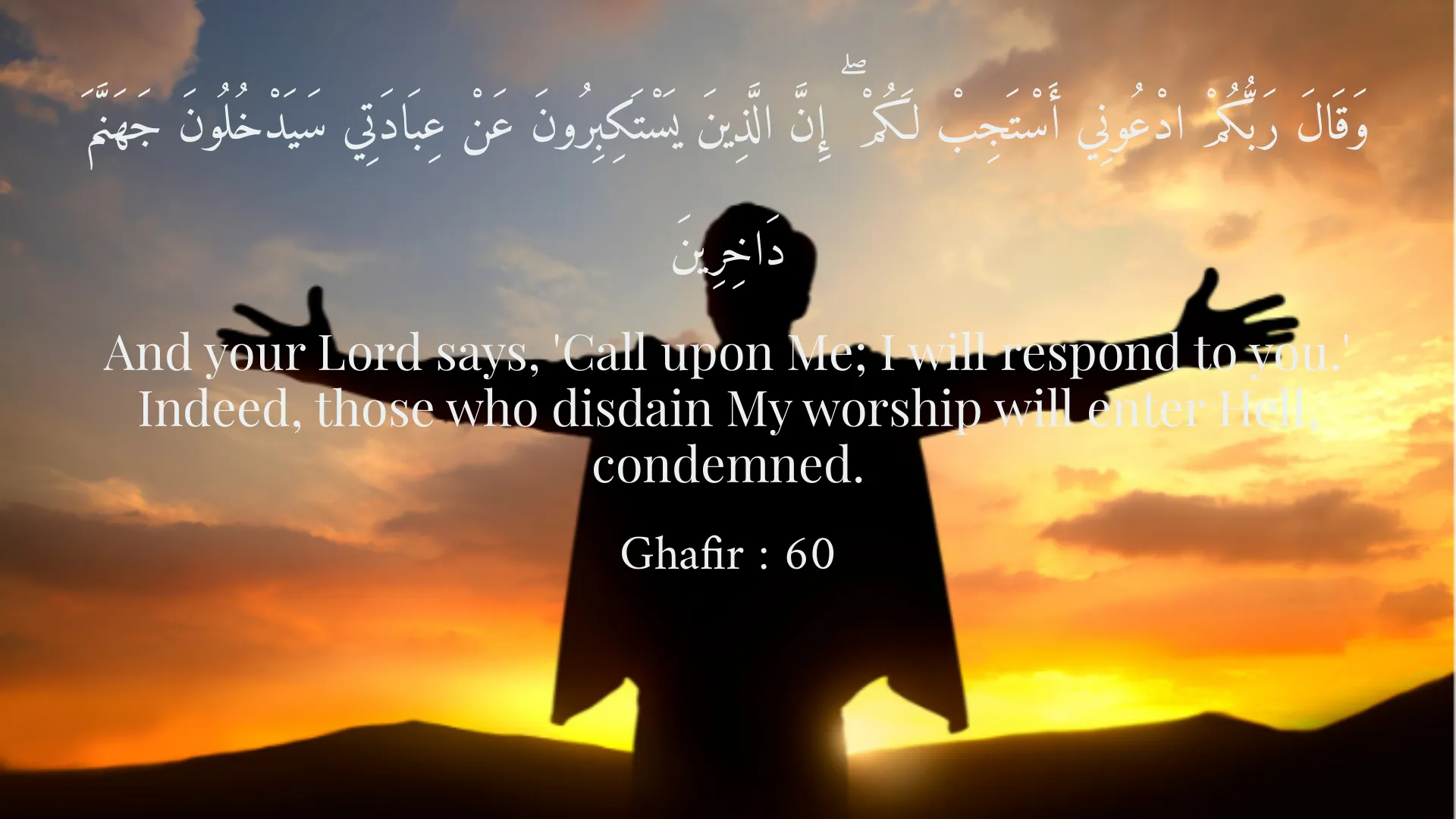
Praying for others is a commendable act from an Islamic perspective and is emphasized in the teachings of the Quran. It is a selfless gesture that reflects empathy, compassion, and love for humanity. When a believer engages in the act of praying for others, they not only seek to fulfill the spiritual needs of their fellow beings but also adhere to the principles laid down in Islam. The virtue of praying for others is highlighted in various parts of Islamic teachings, urging Muslims to engage in this noble practice. This essay will delve into the significance of praying for others as elevated within the Islamic faith, elucidating its foundational texts, historical context, and the broader implications for individual and community well-being. The Quran, the holy book of Islam, houses many verses that underscore the importance of prayer, not just for oneself but also for others. One such verse is found in Surah Ghafir, verse 60: "And your Lord says, 'Call upon Me; I will respond to you.' Indeed, those who disdain My worship will enter Hell, condemned." This enlightening verse offers a dual message. It elucidates the principle of divine response to supplication and emphasizes the importance attached to worship. When one prays for someone else, they embody a form of worship that goes beyond mere requests for oneself. This is a testimony to the interconnectedness of human existence and the inherent need for mutual support and care within the community. Allah encourages believers to call upon Him, and in doing so, they not only pursue divine guidance for themselves but also advocate His mercy for others. The act of praying for others is not limited to physical well-being but extends to spiritual, emotional, and financial dimensions. The teachings of Prophet Muhammad (peace be upon him) reiterate that intercessory prayer can be a powerful means of fostering ease, securing sustenance, and invoking divine mercy for individuals within the ummah (the Muslim community). The Prophet's life was a living example of this principle, as he consistently prayed for his companions, his community, and even those who opposed him. His commitment to prayer, especially in times of difficulty, reinforces the idea that prayers can yield transformative results. One of the profound Hadiths narrated by Imam Muslim states, "When a Muslim prays for his brother in his absence, the angels say, 'And for you is the same.'" This Hadith encapsulates the beauty of selflessness in supplication. Not only does the act of praying for others promise rewards from Allah, but it also invokes a reciprocal blessing. The angels, as divine sentinels, affirm that those who pray for others are similarly granted blessings in abundance. The act, therefore, becomes an avenue for positive energy and a flow of divine mercy, which ultimately cultivates a spirit of generosity, kindness, and hope within the community. The spiritual health derived from praying for others cannot be overstated. When believers engage in such acts of kindness, they elevate their own spirits, nurturing positive emotions and reducing feelings of negativity. Moreover, the communal bond is strengthened as individuals begin to foster a shared vision of mutual assistance and care. Such actions resonate deeply within the community, creating an atmosphere ripe for collaboration, understanding, and compassion—essential ingredients for a harmonious society. The power of prayer, therefore, extends well beyond the individual and carries societal implications that can lead towards collective healing and growth. Furthermore, the act of praying for others cultivates hope and optimism. In times of distress and uncertainty, the act of praying for others can alleviate feelings of despair by shifting focus from one’s personal struggles to the welfare of others. This practice enables individuals to develop resilience as they cultivate an inner strength that transcends their own difficulties. Hope permeates the hearts of those who engage in prayer, as they better understand that through their supplications, they are actively participating in divine grace and mercy for their community. On a larger scale, the communal implications of praying for others foster a spirit of solidarity and empathy. It serves as a channel for mobilizing support in times of crisis and need. Whether it be during health pandemics, natural disasters, or social injustices, the collective prayers of a community can invoke a profound sense of divine intervention that brings relief and hope. This notion is particularly vital in today's world, where challenges abound, and people often feel isolated in their struggles. Together, through mutual prayers, they establish a cohesive bond that further enhances social stability and cohesion. The call to pray for one another reinforces the Islamic doctrine encouraging individuals to reach out, empathize, and support their fellow human beings. Whether through personal struggles or community challenges, prayers serve as a unifying thread that can bind individuals toward shared goals of compassion, kindness, and solidarity. The collective act of prayer can also be instrumental in enhancing moral character, encouraging believers to develop virtues such as humility, gratitude, and charity. In conclusion, the act of praying for others stands as a powerful testament to the essence of community and interconnectedness in Islam. The Quranic verses and Hadiths surrounding the theme highlight the importance of intercessory prayer in creating a harmonious society, nurturing individual spirituality, and bringing forth divine mercy. The spiritual, emotional, and societal benefits derived from praying for others illustrate the profound impact this practice has on individuals and communities alike. Ultimately, praying for others is not merely an act; it is a reflection of the core values of Islam that promotes empathy, compassion, and unwavering support toward fellow beings. By embracing this noble act of prayer, individuals can contribute to a cycle of endless blessings, forging deeper connections, and fostering hope for a brighter future both individually and collectively.
Related Verses
وَقَالَ رَبُّكُمْ ادْعُونِي أَسْتَجِبْ لَكُمْ ۖ إِنَّ الَّذِينَ يَسْتَكِبِرُونَ عَنْ عِبَادَتِي سَيَدْخُلُونَ جَهَنَّمَ دَاخِرِينَ
And your Lord says, 'Call upon Me; I will respond to you.' Indeed, those who disdain My worship will enter Hell, condemned.
Ghafir : 60
لَا يُكَلِّفُ اللَّهُ نَفْسًا إِلَّا وُسْعَهَا ۚ لَهَا مَا كَسَبَتْ وَعَلَيْهَا مَا اكْتَسَبَتْ ۗ رَبَّنَا لَا تُؤَاخِذْنَا إِن نَّسِينَا أَوْ أَخْطَأْنَا ۚ رَبَّنَا وَلَا تَحْمِلْ عَلَيْنَا إِصْرًا كَمَا حَمَلْتَهُ عَلَى الَّذِينَ مِن قَبْلِنَا ۚ رَبَّنَا وَلَا تُحَمِّلْنَا مَا لَا طَاقَةَ لَنَا بِهِ ۖ وَاعْفُ عَنَّا وَاغْفِرْ لَنَا وَارْحَمْنَا ۚ أَنتَ مَوْلَانَا فَانصُرْنَا عَلَى الْقَوْمِ الْكَافِرِينَ
Allah does not burden a soul beyond that it can bear. For it is what it has gained, and against it is what it has earned. Our Lord, do not impose blame upon us if we have forgotten or made a mistake. Our Lord, and lay not upon us a burden like that which You laid upon those before us. Our Lord, and burden us not with that which we have no ability to bear. And pardon us; and forgive us; and have mercy upon us. You are our protector, so give us victory over the disbelieving people.
Al-Baqarah : 286
Short Story
One day, a man was sitting in a corner of the mosque, absorbed in praying for his fellow believers. He remembered a Hadith that mentioned 'Whenever someone prays for his brother, angels say: 'For you too, may it be like that.' This thought filled him with happiness and bliss. He prayed with great faith and certainty, and after some time, he noticed that his life had transformed. His life became filled with goodness and blessings, and he experienced greater comfort.