Quranic Answer
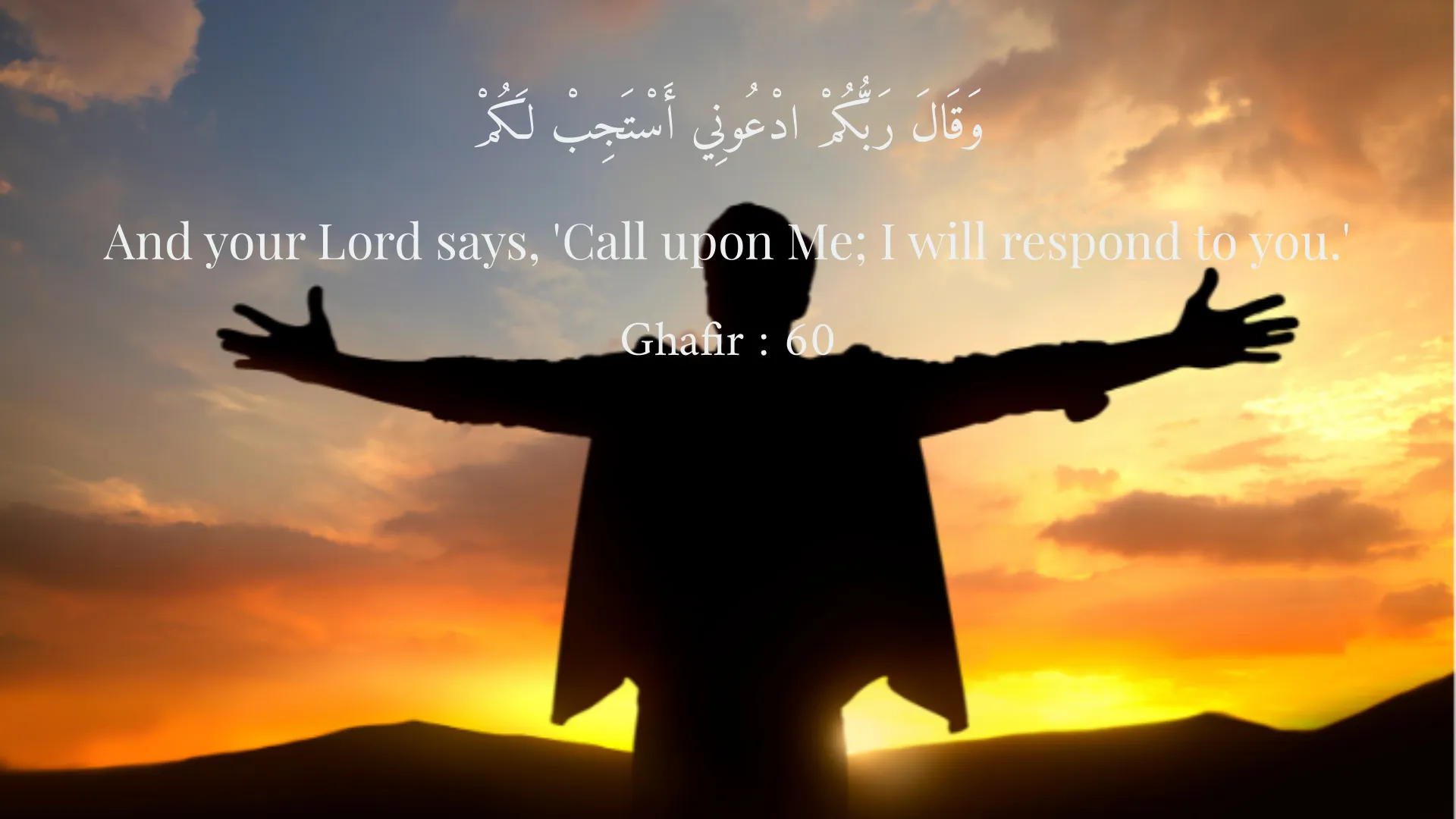
In the Holy Quran, prayer (Salah) and action (Amal) are two essential and complementary elements that are underscored in numerous verses. These two aspects are not only fundamental to the practice of Islam but also serve to reinforce one another, forming the bedrock of a Muslim’s relationship with Allah (God) and the path toward spiritual fulfillment. This article aims to explore the intricate relationship between prayer and action, as illustrated in the Quran, emphasizing their significance in the life of a believer. Prayer is regarded as a direct means of communication with Allah, providing an opportunity for individuals to request His assistance, mercy, and guidance in their daily lives. In Surah Ghafir, verse 60, Allah states, ‘And your Lord says, ‘Call upon Me; I will respond to you.’ This verse invites believers to engage in prayer, highlighting its importance as a practice through which individuals can express their needs and desires. The act of praying is one that fosters a personal connection with the divine, enabling Muslims to pour out their hearts, seek forgiveness, and request support in times of difficulty. The assurance that Allah will respond to such calls serves to encourage believers to remain steadfast in their prayers, reinforcing the fundamental idea that prayer is a powerful tool in the journey of faith. While prayer stands as a crucial aspect of a believer’s life, the complementary role of action cannot be overlooked. Islamic teachings emphasize that prayer without action may not yield the desired outcomes. In Surah Az-Zumar, verse 10, it is stated, ‘Indeed, the patient will be given their reward without account.’ This scripture highlights that patience—a form of action in itself—combined with belief is intrinsically linked to the concept of reward in the afterlife. The notion here is that one must not only pray for guidance and assistance but must also engage actively in efforts that align with their prayers. Additionally, the intertwining of prayer and action is reflected in the teachings of the Prophet Muhammad (PBUH), who emphasized the importance of sincerity in intention and deeds. According to a well-known narration, the Prophet said, ‘Actions are judged by intentions.’ This statement underscores the idea that the effectiveness of prayer is heightened when it is accompanied by sincere intentions and concrete efforts towards achieving one’s goals. In essence, when a believer prays for strength to overcome challenges, they must also take practical steps to work toward their goals, demonstrating faith through action. The Quran presents numerous narratives that exemplify this duality, illustrating how prophets and righteous individuals combined prayer with active engagement. For instance, consider the story of Prophet Musa (Moses) who, upon receiving a divine command to confront Pharaoh, did not merely pray for success; he took action by leading the Israelites out of Egypt. The culmination of his fervent prayers and decisive actions led to miraculous outcomes, reinforcing the idea that divine assistance favors those who are proactive. Furthermore, the significance of prayer is enriched when it is practiced alongside fulfilling social responsibilities and moral duties. Muslims are encouraged to engage in actions that benefit both themselves and their communities. This principle is abundantly clear in the concept of ‘Zakat’ (charitable giving), which is often associated with prayer and recognized as one of the Five Pillars of Islam. The performance of obligatory prayers (Salah) is intended to strengthen one’s connection with Allah, whereas acts of charity demonstrate compassion and the fulfillment of social obligations. The harmony between these acts serves to purify the heart, encourage community bonds, and create a more just society. Moreover, prayer and action unitedly serve as a source of moral strength. In times of hardship or moral dilemmas, prayer allows individuals to tap into divine support while coupling that reliance with personal responsibility. For instance, Muslims facing personal challenges may pray for guidance, yet they must also take steps to resolve those issues, whether through seeking counsel, making lifestyle changes, or pursuing education for self-improvement. This synergy between seeking help from Allah and taking responsibility for one’s choices illustrates a holistic approach to personal development and spiritual growth in Islam. In addition to serving as a guide for personal conduct, the relationship between prayer and action carries broader implications within society. By embodying the essence of both prayer and action, Muslims can promote a culture of compassion, resilience, and integrity. Community engagements such as building mosques, providing aid to the homeless, or participating in educational initiatives exemplify how collective prayer, combined with tangible efforts, can result in meaningful societal change. Ultimately, the dual emphasis on prayer and action in the Quran reminds believers that spirituality is not merely an internal endeavor but also a catalyst for positive change in the world. By utilizing prayer as a source of spiritual and moral strength while simultaneously committing to good actions and virtuous behavior, Muslims cultivate a life that is both spiritually fulfilling and socially impactful. This synergistic relationship between prayer and action empowers believers to approach life with purpose, resilience, and accountability. In conclusion, the Quran’s profound insights into the relationship between prayer and action serve as a guiding principle for Muslims seeking to align their spiritual and moral lives. Prayer is an invitation from Allah to engage with Him, while action is the manifestation of that dialogue in the real world. Together, they create a pathway to personal development, community strength, and spiritual enrichment. Thus, integrating prayer with intentional action not only enhances the meaningfulness of one’s worship but also leads to tangible improvements in both individual lives and the wider society.
Related Verses
وَقَالَ رَبُّكُمْ ادْعُونِي أَسْتَجِبْ لَكُمْ
And your Lord says, 'Call upon Me; I will respond to you.'
Ghafir : 60
إنما يُوفَّى الصابرون أجرهم بغير حساب
Indeed, the patient will be given their reward without account.
Az-Zumar : 10
Short Story
One day, Ali was reflecting on his prayers. He realized that he always prayed but never took action to achieve his desires. He decided to complement his prayers with actions to get closer to his dreams. After a few months, Ali noticed positive changes in his life and realized that prayer must be accompanied by action.