Quranic Answer
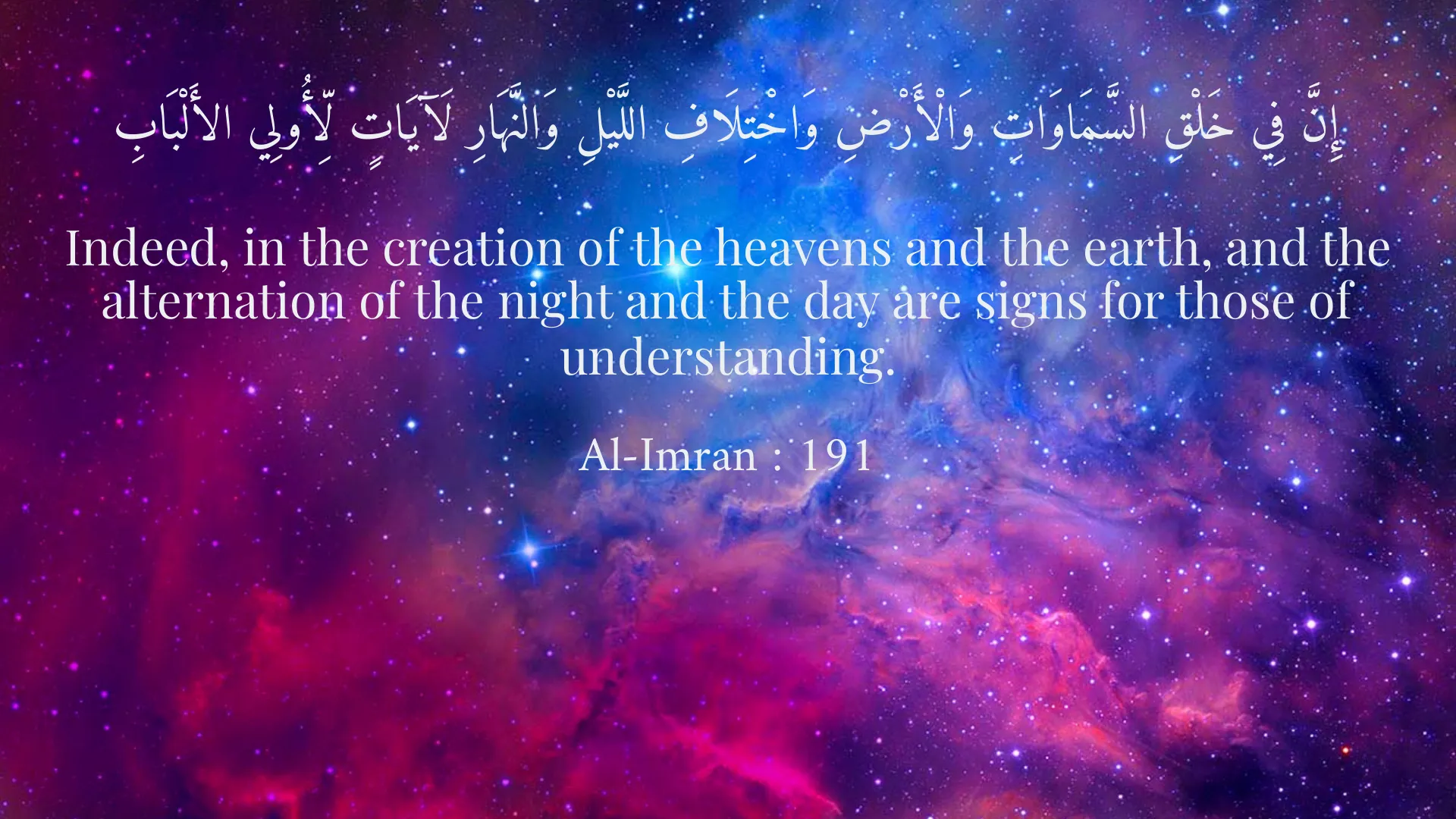
The relationship between nature and divine creation has been a topic of profound significance throughout human history. In various religious texts, nature is frequently depicted as a reflection of a higher power, and one of the texts that most eloquently emphasizes this connection is the Holy Quran. The Quran presents a multitude of verses that portray the wonders of nature as clear signs of God's existence and majesty. By examining these verses and their interplay with the natural world, we can deepen our appreciation for creation and enhance our spiritual understanding. In Surah Al-Imran, verse 191, Allah states: 'Indeed, in the creation of the heavens and the earth, and the alternation of the night and the day are signs for those of understanding.' This passage invites readers to reflect upon the miraculous aspects of the universe. The phrase 'creation of the heavens and the earth' emphasizes the vastness and complexity of the world around us. The heavens, with their countless stars and galaxies, and the earth, with its diverse landscapes and ecosystems, together create a tapestry of existence that serves to remind us of the Creator’s power. The mention of the 'alternation of the night and the day' adds depth to this observation, illustrating a rhythmic order to time that transcends human understanding. The cycle of day and night not only governs our daily lives but also evokes a sense of wonder and contemplation about the divine orchestration behind these natural phenomena. Furthermore, the verse encourages those with 'understanding' to engage in contemplation. This call to mindfulness is essential in our hectic world, as it offers an opportunity to pause and appreciate the delicate balance of life that sustains our existence. This understanding can lead to a greater awareness of God’s majesty and a recognition of His omnipotence, ultimately fostering a deeper connection with Him. By observing the grandeur of nature and acknowledging the intricate details, believers can cultivate an ethos of gratitude and reverence, realizing that everything in creation serves a purpose designed by Allah. In addition to Surah Al-Imran, Surah Adh-Dhariyat, verses 20-21, further accentuates the importance of reflecting on nature. The verses state: 'And on the earth are signs for those of certainty and within yourselves. Will you not then see?' Here, the Quran emphasizes that signs of God’s existence are not only found externally in the world around us but also within ourselves. The verse calls attention to the innate consciousness and personal experiences we possess as human beings. The profound feeling of love, belonging, and the pursuit of purpose are all signals that point back to a divine source. This dual perspective—examining signs both in nature and in oneself—paves the way for a holistic understanding of faith. The environment serves as a powerful reminder of God's creativity and care, while our own experiences can lead us to self-reflection and a deeper spiritual awakening. Nature invites us to open our eyes, take a moment, and recognize the miracles that permeate our lives. It prompts us to question our existence and seek answers that lie in the teachings of our faith. When contemplating the intricate ecosystems, the vastness of oceans, the majesty of mountains, or the breathtaking beauty of a sunset, we are confronted with evidence of intelligent design. Every detail from the smallest leaf to the grandest mountain range can be seen as a testament to a Creator who is both powerful and purposeful. This realization challenges us to look beyond the surface and seek the depth of meaning inherent in creation. As we traverse the pathways of nature, we cannot help but marvel at the artistry that surrounds us, which speaks to both the divine and our own existence. Furthermore, the Quran encourages believers to engage in contemplation and connects this practice to a broader spiritual wisdom. When Allah permits us to observe nature, it presents an opportunity for not just recognition but also appreciation of the divine design. When we immerse ourselves in the wonders of the world, we rejuvenate our spirits and cultivate an atmosphere of thankfulness toward our Creator. This appreciation can be expressed through acts of worship, gratitude, and service to humankind and the environment, all stemming from an understanding of our place within the grand tapestry of creation. The importance of nature in spiritual practice extends beyond mere recognition—it's about the transformation that occurs within our hearts and minds when we allow these experiences to resonate with us. Through the act of reflection, we cultivate a deeper intimacy with God and strengthen our love for Him. As we learn from both the beauty and the challenges represented in nature, we grow closer to understanding God's will for us and develop a heart that is open to His guidance. In conclusion, the relationship between the signs of nature and the existence of God is deep and intricate, as reflected in the verses of the Holy Quran. By engaging with the world around us and contemplating its wonders, we can draw nearer to our Creator. Surah Al-Imran reminds us of the grandeur of the heavens and earth, while Surah Adh-Dhariyat illustrates that these signs also exist within us. In our quest for spirituality, embracing nature as a pathway to understanding the divine provides both solace and inspiration. Ultimately, reflecting on the signs of creation enriches our spiritual journey, increases our love for Allah, and strengthens our resolve to live a life infused with purpose and meaning.
Related Verses
إِنَّ فِي خَلْقِ السَّمَاوَاتِ وَالْأَرْضِ وَاخْتِلَافِ اللَّيْلِ وَالنَّهَارِ لَآيَاتٍ لِّأُولِي الأَلْبَابِ
Indeed, in the creation of the heavens and the earth, and the alternation of the night and the day are signs for those of understanding.
Al-Imran : 191
وَفِي الْأَرْضِ آيَاتٌ لِّلْمُوقِنِينَ
And on the earth are signs for those of certainty.
Adh-Dhariyat : 20
وَفِي أَنفُسِكُمْ ۖ أَفَلَا تُبْصِرُونَ
And within yourselves. Will you not then see?
Adh-Dhariyat : 21
Short Story
One day, a young man named Ali was walking in a beautiful forest, mesmerized by the beauties of nature. He listened to the trees, flowers, and the sound of birds and felt something deeper hidden in the world around him. Then he remembered the verses of the Quran that speak of God's signs in nature. Ali felt that these signs brought him closer to God, and through prayer and contemplation of nature, he found peace.