Quranic Answer
Does sin lead to the destruction of faith? This is a profound and crucial question, and understanding it from the perspective of the Holy Quran is key to finding peace and guidance in life. The short answer to this question is more complex than a simple "yes" or "no," as the Quran addresses this issue with remarkable subtlety. Generally, sin means transgressing divine commands and exceeding God's boundaries, and it exists in varying degrees, from minor sins (sagha'ir) to major sins (kaba'ir). The Holy Quran teaches us that faith is not a static or fixed state; rather, it is a dynamic and evolving quality that is influenced by human actions and intentions. Every action, whether good or evil, can affect this quality, strengthening or weakening it. Therefore, the relationship between sin and faith is a gradual and dynamic one, not an absolute or sudden one. When a person commits a sin, especially major sins, and particularly if these sins are committed repeatedly without repentance and remorse, these wrongful acts gradually affect their heart and dim the light of faith. In Surah Al-Mutaffifin, verse 14, the Quran states: "No, but that which they used to earn has stained their hearts." This "stain" or "ran" is the impurity and darkness that settles on the heart due to continuous sins, preventing the perception of truth and divine light. In essence, this stain can, over time, harden and darken the heart, stripping it of its ability to distinguish between right and wrong. This process is not a sudden destruction but rather a gradual erosion of faith. If this erosion continues and the individual does not turn back to repentance and seeking forgiveness, they may eventually reach a stage where their faith is completely annihilated, leading to disbelief (kufr) or hypocrisy (nifaq). In this state, the heart becomes so hard and diseased that it is no longer capable of accepting guidance. The Quran also refers to those whose hearts have been sealed due to their persistence in sin and denial of divine signs (e.g., Surah Al-Baqarah, verse 7: "Allah has set a seal upon their hearts and upon their hearing, and over their eyes is a veil. And for them is a great punishment."). This sealing of the heart is a natural consequence of repeated sins and turning away from the truth, which gradually leads a person away from the path of faith. Therefore, it can be said that sin, especially persistence in it and lack of repentance, can indeed lead to the destruction of faith. This is where the importance of piety (taqwa), avoiding sin, and daily self-reckoning becomes clear, lest this stain settle upon the hearts. However, on the other hand, the Quran has opened the vast ocean of divine mercy to sinners. In Surah Az-Zumar, verse 53, Allah says: "Say, 'O My servants who have transgressed against themselves [by sinning], do not despair of the mercy of Allah. Indeed, Allah forgives all sins. Indeed, it is He who is the Forgiving, the Merciful.'" This verse illuminates the light of hope in the heart of every sinner, indicating that even if their sins reach the height of mountains, the door of divine mercy remains open, provided they return to Him with sincere repentance (tawbah nasuh). Repentance means regretting the sin, resolving to abandon it, and making amends for past wrongs (if possible). Sincere repentance not only forgives sins but also cleanses the heart's stain and rekindles the light of faith within, and it can even transform past bad deeds into good deeds, as stated in Surah Al-Furqan, verse 70: "Except for those who repent, believe and do righteous work. For them Allah will replace their evil deeds with good. And ever is Allah Forgiving and Merciful." The Holy Quran distinguishes between someone who commits a sin out of error or heedlessness and immediately repents and returns to God (Surah An-Nisa, verse 17) and someone who sins knowingly and obstinately persists in it (Surah An-Nisa, verse 18). For the first group, repentance is accepted, and their faith is preserved; however, for the second group, who persist in their sin and obstinacy until the moment of death, the path to salvation becomes extremely difficult, perhaps even closed. This demonstrates that the act of sin itself does not cause immediate destruction of faith; rather, it is the persistence in sin and the refusal to return to the truth that gradually weakens and ultimately destroys faith. Thus, sin is not like a deadly poison that immediately kills a person and obliterates their faith upon a single consumption. Instead, it resembles a chronic disease that, if left untreated and neglected, gradually destroys one's physical and spiritual strength. Faith is similar. With every sin committed, the faith within our hearts gets wounded; however, this wound is treatable, provided we seek treatment (i.e., repentance) in a timely manner. Good deeds, remembrance of Allah, seeking forgiveness (istighfar), and remorse for sins are all tools provided to us to strengthen faith and cleanse the heart from the stains of sin. Therefore, in conclusion, sin can potentially lead to the destruction of faith, but this is a gradual process that occurs through persistence in sin and negligence towards repentance. In contrast, divine mercy and the opportunity for repentance always provide a way back and for the restoration of faith for believers, and one should never despair of it. The ultimate goal is to achieve a sound heart and firm faith that remains pure from the impurities of sin.
Related Verses
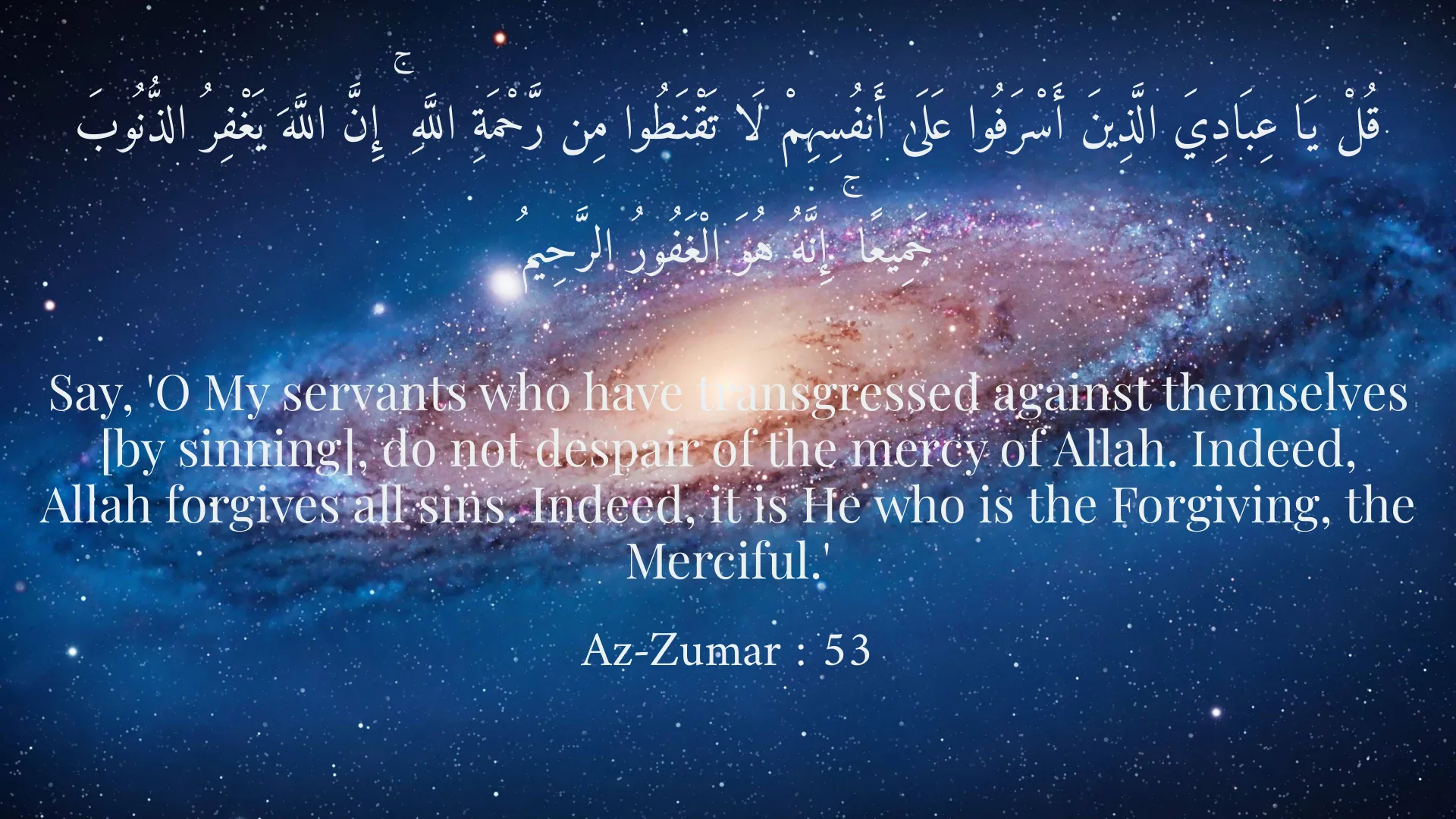
قُلْ يَا عِبَادِيَ الَّذِينَ أَسْرَفُوا عَلَىٰ أَنفُسِهِمْ لَا تَقْنَطُوا مِن رَّحْمَةِ اللَّهِ ۚ إِنَّ اللَّهَ يَغْفِرُ الذُّنُوبَ جَمِيعًا ۚ إِنَّهُ هُوَ الْغَفُورُ الرَّحِيمُ
Say, 'O My servants who have transgressed against themselves [by sinning], do not despair of the mercy of Allah. Indeed, Allah forgives all sins. Indeed, it is He who is the Forgiving, the Merciful.'
Az-Zumar : 53
كَلَّا بَلْ رَانَ عَلَىٰ قُلُوبِهِم مَّا كَانُوا يَكْسِبُونَ
No, but that which they used to earn has stained their hearts.
Al-Mutaffifin : 14
إِنَّمَا التَّوْبَةُ عَلَى اللَّهِ لِلَّذِينَ يَعْمَلُونَ السُّوءَ بِجَهَالَةٍ ثُمَّ يَتُوبُونَ مِن قَرِيبٍ فَأُولَٰئِكَ يَتُوبُ اللَّهُ عَلَيْهِمْ ۗ وَكَانَ اللَّهُ عَلِيمًا حَكِيمًا
Allah accepts the repentance of those who do evil in ignorance and then repent soon after. It is those to whom Allah will turn in forgiveness, and Allah is ever Knowing and Wise.
An-Nisa : 17
Short Story
A wise man was once asked: "Why does the heart of a believer sometimes darken, and how does it then rekindle?" The wise man, with a smile, said: "Remember the day you had a clear mirror in your house. So much dust settled upon it that you could no longer see your own face in it. Was the mirror destroyed? No! Only dust had settled upon it. With a soft, damp cloth, the dust was wiped away, and the mirror regained its brightness and clarity." He then continued: "Minor and major sins are like that dust that settles upon the mirror of the heart. If you do not cleanse this dust with the water of repentance, the tears of remorse, and the cloth of seeking forgiveness, the heart will turn to darkness, and the light of faith within it will be hidden. But if the believer comes to their senses and strives for purity, their heart will glow once more, and the face of truth will be revealed within it. Thus, the believer's heart is never destroyed, but rather it requires polishing and purification." This anecdote made the listeners ponder that faith, like a mirror, requires constant care to remain luminous and reflective of divine light.