Quranic Answer
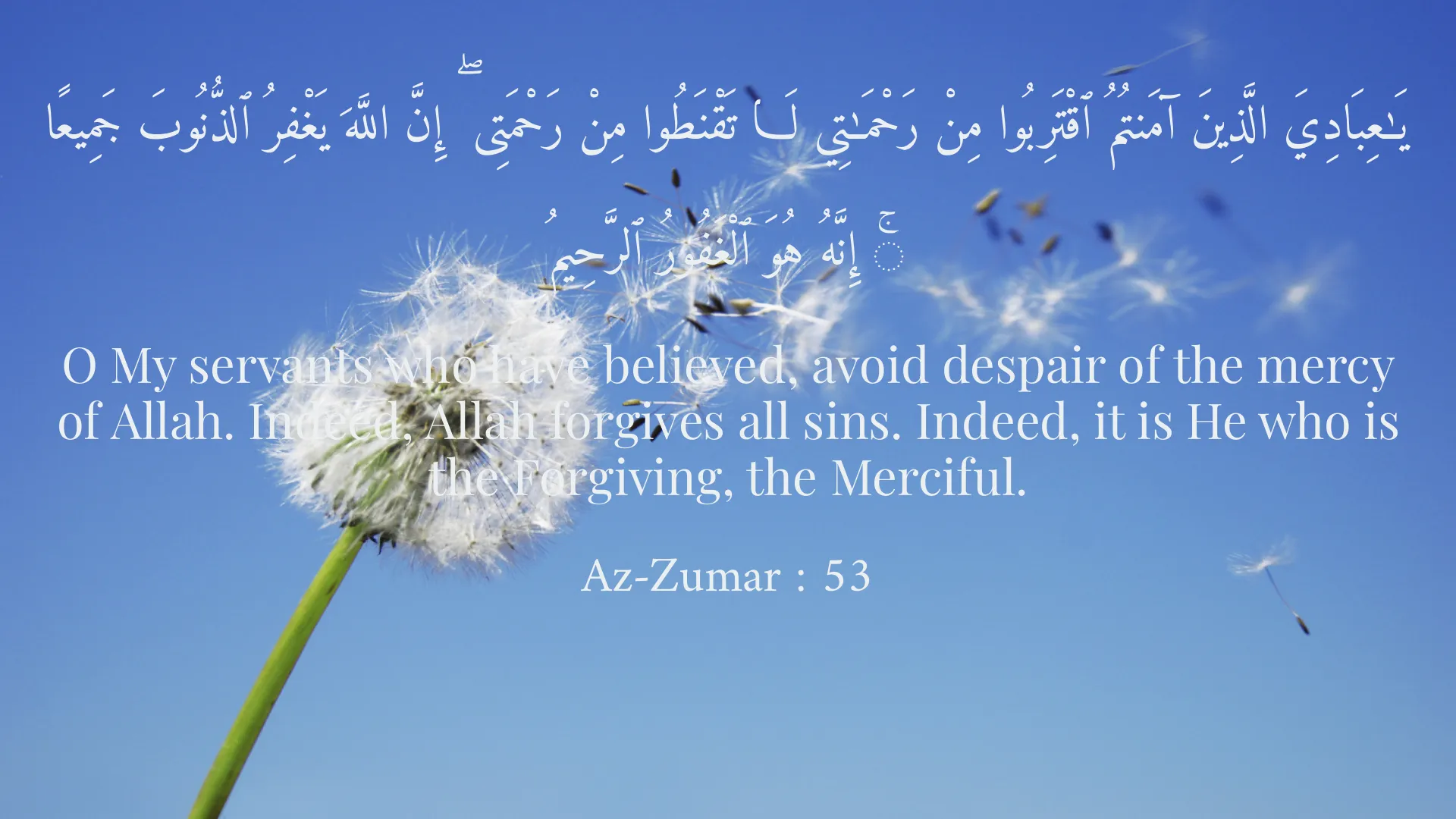
The concept of hope plays a pivotal role in the lives of believers, especially within the framework of the Holy Quran. It is often seen as an innate trait of those who are faithful, shaping their understanding of life and their relationship with Allah. While hope is a fundamental element of faith, it does not strictly fall under the category of a duty that must be performed; rather, it is an essential quality that enhances one's spiritual journey. In times of despair, maintaining hope in Allah's mercy can serve as a guiding light, providing comfort and resilience to believers. This article delves deeper into the significance of hope in the Quran, exploring its psychological dimensions, its implications for personal growth, and its importance in the broader context of faith. The Quran serves as a profound source of guidance, addressing the human experience through various themes, including despair and hope. One of the key verses that illuminate the importance of hope is Surah Az-Zumar, verse 53, in which Allah says, "O My servants who have believed, avoid despair of the mercy of Allah. Indeed, Allah forgives all sins. Indeed, it is He who is the Forgiving, the Merciful." This verse encapsulates the essence of hope, urging believers to reject hopelessness and remember that Allah's mercy is boundless. The exhortation to avoid despair is significant because it recognizes the realities of human struggle while simultaneously providing the assurance that forgiveness and mercy are always within reach. The psychological effects of hope are well-documented, both in religious texts and psychological studies. Hope serves as a key protective factor when individuals face life’s challenges. It acts as a buffer against feelings of disappointment and grief, promoting emotional resilience. Those who maintain hope are more likely to approach problems with a constructive mindset, seeking solutions rather than succumbing to despair. This concept is mirrored in various Quranic teachings, which recognize the inevitability of challenges yet promote an outlook that fosters perseverance. Surah Al-Imran, verse 139, reinforces this stance by stating, "And do not lose hope or grieve, for you are the most superior if you are believers." This verse not only encourages hope but also connects it to the identity and superiority of believers, framing hope as integral to one’s faith experience. In addressing the state of despair, the Quran frequently reiterates the necessity of hope in God’s mercy and justice. Believers are reminded of the transient nature of worldly struggles and the eternal perspective of the hereafter. Such reminders function as a guide for believers in cultivating hope, even amidst personal hardships. The essence of hope in the Quran fosters a relationship where believers acknowledge their limitations while simultaneously placing their trust in Allah’s wisdom and mercy. This dynamic encourages a balanced view of life; one that embraces both the realities of suffering and the possibility of healing and redemption through divine mercy. Furthermore, hope in the context of Islamic teachings goes beyond individual psychological benefits. It serves as a motivating force driving believers to act positively within their communities. When individuals hold onto hope for a better future, they are more likely to engage in acts of kindness, extend support to others, and participate in efforts to create social change. The communal aspect of hope amplifies its significance, illustrating how individual hope contributes to collective well-being. The Quran encourages believers not only to maintain hope for themselves but also to inspire hope within their communities, a powerful reminder of the interconnectedness of human experiences. Moreover, the interplay between hope and faith in the Quran cannot be overlooked. Faith is often described as the foundation for hope, with the two concepts reinforcing one another. Believers who hold a strong faith in Allah are naturally inclined to embody hope, while hope can lead to deeper levels of faith and commitment. This cyclical relationship creates an environment conducive to spiritual growth, encouraging believers to explore the depths of their faith and to reflect on their relationship with Allah. In practical terms, incorporating hope into daily decisions and actions can manifest as gratitude, mindfulness, and a proactive approach to challenges. Believers are encouraged to engage in regular prayers, supplications, and acts of devotion, which in turn nurture their sense of hope and reliance on Allah. Reflecting on personal experiences and recognizing the lessons learned through trials can also fortify hope, reminding believers of Allah’s past mercies and the importance of patience and perseverance. In conclusion, hope in the Holy Quran is not merely an abstract concept but a vital characteristic that shapes the lives of believers. While it is not explicitly mandated as a duty, its significance is woven throughout the fabric of Islamic teachings. Hope serves as a beacon of light, guiding believers through adversity, instilling resilience, and fostering community spirit. The teachings of the Quran reflect the understanding that life is a mixture of joys and sorrows; hope is the element that allows believers to navigate this complexity with grace and faith. Ultimately, nurturing hope within oneself and others remains a fundamental aspect of the believer's journey, illustrating the profound wisdom of the Quran in promoting emotional and spiritual well-being.
Related Verses
يَـٰعِبَادِيَ الَّذِينَ آمَنتُمُ ٱقْتَرِبُوا مِنْ رَحْمَـٰتِي لَـا تَقْنَطُوا مِنْ رَحْمَتِى ۖ إِنَّ اللَّهَ يَغْفِرُ ٱلذُّنُوبَ جَمِيعًا ۚ إِنَّهُ هُوَ ٱلْغَفُورُ ٱلرَّحِيمُ
O My servants who have believed, avoid despair of the mercy of Allah. Indeed, Allah forgives all sins. Indeed, it is He who is the Forgiving, the Merciful.
Az-Zumar : 53
وَلَا تَهِنُوا وَلَا تَحْزَنُوا وَأَنتُمُ الْأَعْلَوْنَ إِن كُنتُم مُّؤْمِنِينَ
And do not lose hope or grieve, for you are the most superior if you are believers.
Al-Imran : 139
Short Story
One day, Ali was reflecting on his life, pondering whether he truly had faith in God's hope. He remembered the verses of the Quran and realized how essential it was to have hope in God's mercy and forgiveness. He then decided to remain hopeful in every situation and to continue his efforts. He found that when he had faith in God's mercy, he could better confront life's challenges and maintain peace even in the toughest moments.