Quranic Answer
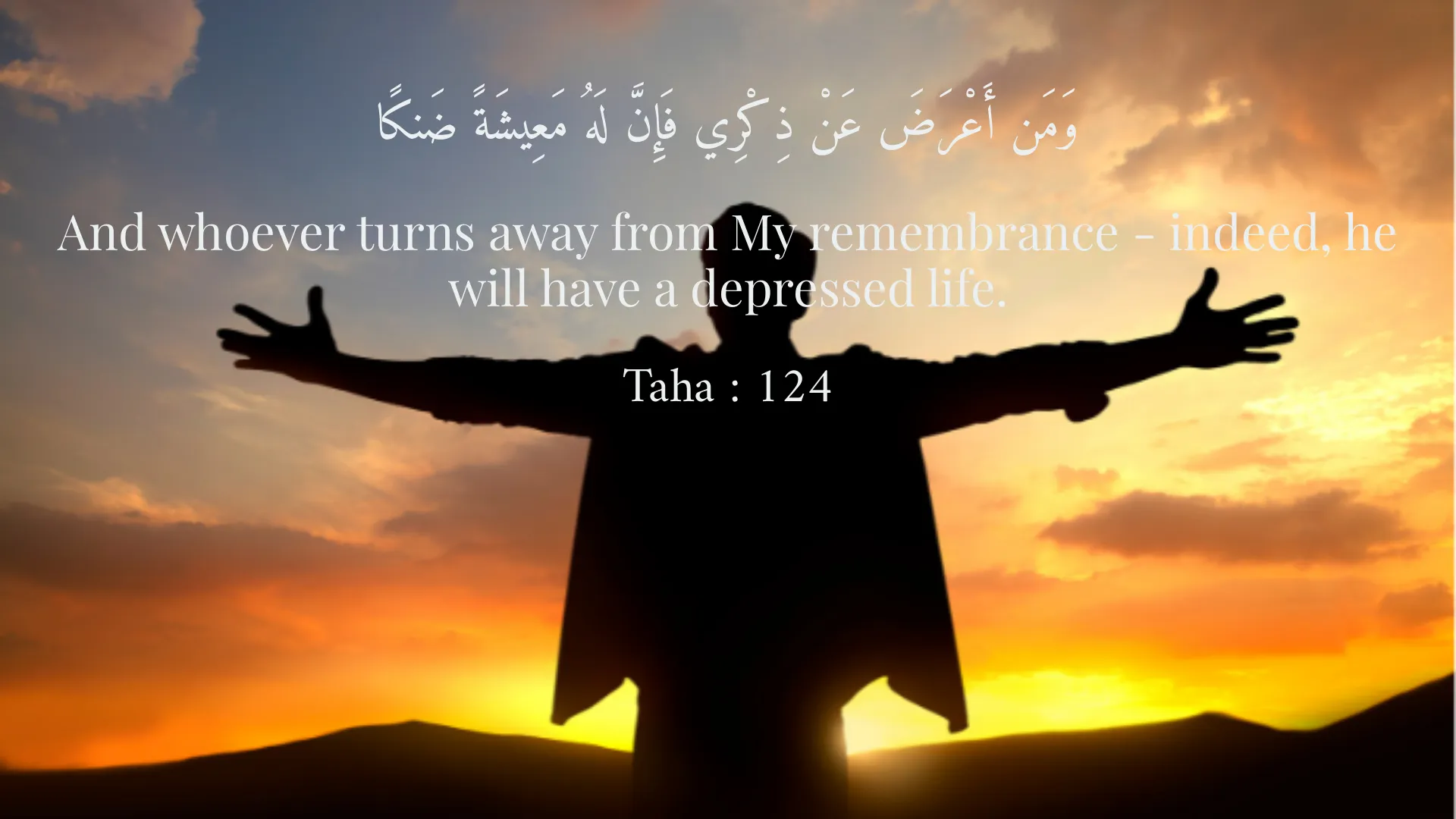
The Holy Quran, revered as the ultimate guide to living a righteous life, provides profound insights into the spiritual health and well-being of individuals. As a sacred text, it serves not only as a spiritual guide but also as a source of mental fortitude and emotional stability. Within its verses lie powerful messages aimed at nurturing the soul, fostering a positive mindset, and aiding individuals in navigating the complexities of life. This article delves into the significance of the Quran in enhancing spiritual and mental health, elucidating its timeless wisdom and practical teachings. One of the most compelling aspects of the Holy Quran is its ability to address the human condition and its accompanying struggles. Life is fraught with challenges, uncertainties, and emotional upheaval that can lead to feelings of despair and anxiety. In Surah Taha, verse 124, Allah articulates a profound truth: 'And whoever turns away from My remembrance - indeed, he will have a depressed life.' This verse encapsulates the essence of spiritual disconnection, illustrating how distancing oneself from the remembrance of Allah can lead to a constricted, joyless existence. The Quran consistently emphasizes the importance of maintaining a close relationship with the Creator as a means to combat negativity and despair. Remembrance of Allah, or Dhikr, is a practice deeply woven into the fabric of Islamic spirituality. It involves constant reflection on and awareness of God's presence, thereby grounding individuals in a mindset of gratitude and peace. The act of remembrance can relieve stress, enhance mindfulness, and redirect negative thoughts towards positivity. This principle is especially critical in an age where mental health issues are becoming increasingly prevalent. Engaging with the Quran fosters a sense of belonging, purpose, and reassurance, enabling individuals to rise above the tribulations they face. Further highlighting the Quran's emphasis on hope and resilience is Surah Al-Baqarah, verse 286, which states, 'Allah does not burden a soul beyond that it can bear.' This verse holds immense significance, offering comfort to believers in times of tribulation. It serves as a reminder that every hardship we encounter is tailored to our individual capacity to endure. This understanding encourages individuals to cultivate patience and trust in Allah's wisdom. Therein lies a transformative perspective; the challenges one faces are not punitive, but rather tests meant to strengthen one's character and faith. Believing in this divine principle can alleviate feelings of hopelessness and despair, filling the heart with optimism and trust in God's plan. Incorporating the teachings of the Quran into daily life can significantly enhance one's spiritual and mental state. Activities such as prayer (Salah), fasting (Sawm), and reading the Quran itself are practical methods through which believers can nourish their spirit. Salah, performed five times a day, serves not only as a duty but also as a moment for introspection and connection with Allah. It offers tranquility amidst the chaos of life, acting as a mental reset that allows individuals to realign their thoughts and emotions with spiritual truths. Fasting, particularly during the holy month of Ramadan, also plays a critical role in fostering spiritual health. It is a period that encourages self-discipline, reflection, empathy, and genuine connection with the less fortunate. By abstaining from food and drink, individuals learn to appreciate their blessings, cultivating a sense of gratitude that contributes positively to their mental well-being. This practice reinforces the idea that true contentment is found not in material possessions but in spiritual fulfillment and connection with Allah. The Quran serves as a compass for believers striving to lead a life centered around kindness and compassion. Engaging in good deeds and acts of charity is highly encouraged, with numerous verses extolling the virtues of helping others. Acts of kindness not only benefit those in need but also provide a sense of fulfillment and purpose for the giver. As one contributes positively to the lives of others, feelings of joy and satisfaction naturally arise, contributing to an overall increase in mental well-being. Moreover, the Quran contains numerous stories of prophets and their struggles, providing relatable examples for individuals facing their own challenges. The narratives of resilience, patience, and reliance on Allah serve to inspire and uplift. Believers can find solace in the stories of those who practiced unwavering faith in the face of adversity, reminding them that they are not alone in their struggles. Ultimately, the Holy Quran encompasses a holistic approach to health that transcends mere spiritual matters. It intricately weaves together the dimensions of mental well-being, emotional stability, and spiritual grounding. Through its guidance, individuals can cultivate a profound connection with Allah, fostering inner peace and resilience against life's trials. In summary, the Holy Quran is a treasure trove of wisdom that profoundly influences the spiritual and mental health of individuals. Its verses guide believers towards a path of self-discovery, self-discipline, and unwavering faith in God's plan. By engaging with the principles laid out within, people can experience emotional healing, spiritual growth, and an enduring sense of hope. In conclusion, not only does the Quran address spiritual and religious matters, it also pays significant attention to the mental health of individuals, offering comprehensive guidance on achieving wellness and tranquility.
Related Verses
وَمَن أَعْرَضَ عَنْ ذِكْرِي فَإِنَّ لَهُ مَعِيشَةً ضَنكًا
And whoever turns away from My remembrance - indeed, he will have a depressed life.
Taha : 124
لا يُكَلِّفُ اللَّهُ نَفْسًا إِلَّا وُسْعَهَا
Allah does not burden a soul beyond that it can bear.
Al-Baqarah : 286
Short Story
One day, a young man named Hossein was deep in thought in a garden. He felt that his life had lost meaning and he sought spiritual calm. Suddenly, one of his friends came to him with the Quran and said, 'God calms the soul with His remembrance.' Hossein decided to remember God daily and pray. After some time, he noticed that not only did he find more peace in his life, but his spirit was also freed from every ounce of sorrow and despair.