Quranic Answer
Yes, unequivocally and absolutely, the Holy Quran, the luminous and guiding word of Almighty God, plays an unparalleled and pivotal role in the refinement and improvement of human character, offering comprehensive and complete guidance for becoming a better and more virtuous individual. This divine book is not merely a collection of laws and commands, but a holistic roadmap for life that covers all dimensions of human existence, from personal relationships with the Creator to social interactions and individual responsibilities. The Quran acts as a beacon that dispels the darkness of ignorance and misguidance, illuminating the clear path of moral virtues, justice, and salvation. One of the primary functions of the Quran is its role as "Hudā," or a guide. In the beginning of Surah Al-Baqarah, verse 2, Allah states: "Dhālika al-kitābu lā rayba fīhi hudan lil-muttaqīn" (This is the Book about which there is no doubt, a guidance for those conscious of Allah). This verse clearly indicates that the Quran is a guide for those who seek piety and growth. By presenting fixed and eternal moral principles, the Quran provides criteria for distinguishing good from evil, right from wrong, and virtue from vice. These criteria are not limited to dry laws; rather, they speak to the human spirit and soul, guiding individuals towards noble values such as honesty, trustworthiness, justice, compassion, forgiveness, patience, and humility. When a person lives by these teachings, an internal compass seems to form within them, guiding them towards correct and ethical choices when facing life's challenges and temptations. The Quran does not merely offer generalities; it delves into moral and behavioral specifics. For instance, in Surah An-Nahl, verse 90, it explicitly states: "Innallāha ya’muru bil-‘adli wal-iḥsāni wa-ītā’i dhil-qurbā wa yanhā ‘anil-faḥshā’i wal-munkari wal-baghyi ya’iẓukum la‘allakum tadhakkarūn" (Indeed, Allah orders justice and good conduct and giving to relatives and forbids immorality and bad conduct and oppression. He admonishes you that perhaps you will be reminded). This noble verse provides a comprehensive summary of Islam's ethical system. "Adl" (justice) means placing everything in its rightful place and treating everyone fairly, even those who oppose us. "Ihsan" (benevolence) goes beyond justice, signifying doing good and showing kindness to others without expectation of reward, even when it is not strictly obligatory. "Ītā’i dhil-qurbā" (giving to relatives) emphasizes the importance of maintaining family ties and caring for kin, which forms the backbone of a healthy society. Conversely, the Quran forbids reprehensible acts such as obscenity (faḥshā’), evil (munkar – anything considered ugly by reason and scripture), and oppression (baghy). These teachings help individuals purify their behavior, shun vices, and adorn themselves with virtues. Furthermore, the Quran repeatedly emphasizes the importance of "Taqwa" or God-consciousness and piety. Taqwa is a state of constant awareness of God's presence and accountability before Him. When a person is adorned with Taqwa, they perform their actions with greater care, avoid sins, and seek divine pleasure. This inner state provides a strong foundation for the development of an elevated character. Another key teaching is the concept of "Sabr" (patience), which is emphasized in numerous verses. Patience means not only enduring hardships but also steadfastness in the path of truth, perseverance in performing acts of worship, and self-control in the face of temptation. A patient person is more resilient in life's struggles and does not deviate from the right path. Additionally, the Quran pays special attention to social relations and provides healthy behavioral patterns. For example, in Surah Al-Hujurat, verse 12, it states: "Yā ayyuhā alladhīna āmanū ijtanibū kathīran mina aẓ-ẓanni inna ba‘ḍa aẓ-ẓanni ithmun wa lā tajassasū wa lā yaghtab ba‘ḍukum ba‘ḍan ayuḥibbu aḥadukum an ya’kula laḥma akhīhi maytan fakarihtumūhu wa at-taqū Allāha inna Allāha tawwābun raḥīm" (O you who have believed, avoid much [negative] assumption. Indeed, some assumption is sin. And do not spy or backbite each other. Would one of you like to eat the flesh of his brother when dead? You would detest it. And fear Allah; indeed, Allah is Accepting of repentance and Merciful). This verse clearly prohibits destructive social behaviors such as negative assumptions, spying, and backbiting, sketching a picture of a healthy society built on mutual respect and trust. Adherence to these commands not only helps improve an individual's relationship with others but also increases peace and trust in society, deterring the person from engaging in verbal and mental sins. The Quran also constantly reminds humanity of death and the Day of Judgment, inviting reflection on the consequences of one's actions. This reminder serves as a powerful motivation to improve behavior and prepare for the afterlife. Individuals realize that worldly life is fleeting and what remains are their good deeds and piety. This perspective helps people free themselves from undue attachment to the world and pursue a higher purpose in life. Ultimately, the Holy Quran not only provides theoretical guidance but also offers practical examples for a better life through the stories of prophets and past nations. These stories make Quranic teachings more tangible and understandable, showing how individuals throughout history faced challenges and how, by trusting in God and observing ethical principles, they overcame difficulties, or how they suffered consequences due to disobedience to divine command. These teachings instruct humanity to learn from past mistakes and choose the path of salvation. Recitation, reflection, and acting upon the Quran not only illuminate the heart and soul but gradually transform a person into a more virtuous, balanced, and beneficial being for themselves and society. The Quran is a light that illuminates the path of human evolution, and anyone who genuinely desires to become a better person will find unparalleled guidance within it. This process does not happen overnight; rather, it requires commitment, perseverance, and continuous effort to understand and implement divine teachings. But there is an inner certainty that every step taken on this path will bring one closer to the ultimate goal: the pleasure of Allah and human perfection.
Related Verses
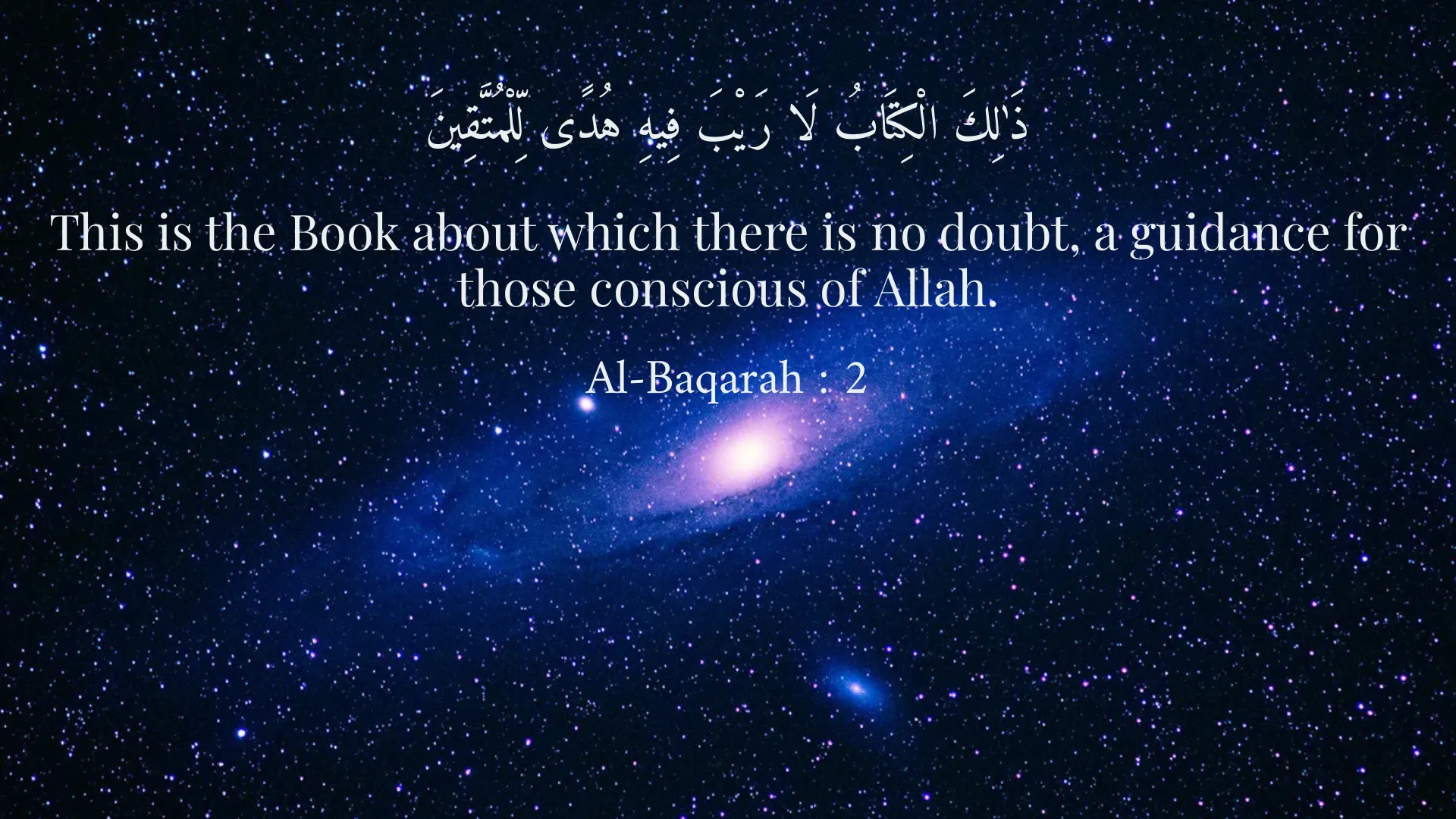
ذَٰلِكَ الْكِتَابُ لَا رَيْبَ فِيهِ هُدًى لِّلْمُتَّقِينَ
This is the Book about which there is no doubt, a guidance for those conscious of Allah.
Al-Baqarah : 2
۞ إِنَّ اللَّهَ يَأْمُرُ بِالْعَدْلِ وَالْإِحْسَانِ وَإِيتَاءِ ذِي الْقُرْبَىٰ وَيَنْهَىٰ عَنِ الْفَحْشَاءِ وَالْمُنكَرِ وَالْبَغْيِ ۚ يَعِظُكُمْ لَعَلَّكُمْ تَذَكَّرُونَ
Indeed, Allah orders justice and good conduct and giving to relatives and forbids immorality and bad conduct and oppression. He admonishes you that perhaps you will be reminded.
An-Nahl : 90
يَا أَيُّهَا الَّذِينَ آمَنُوا اجْتَنِبُوا كَثِيرًا مِّنَ الظَّنِّ إِنَّ بَعْضَ الظَّنِّ إِثْمٌ ۖ وَلَا تَجَسَّسُوا وَلَا يَغْتَب بَّعْضُكُم بَعْضًا ۚ أَيُحِبُّ أَحَدُكُمْ أَن يَأْكُلَ لَحْمَ أَخِيهِ مَيْتًا فَكَرِهْتُمُوهُ ۚ وَاتَّقُوا اللَّهَ ۚ إِنَّ اللَّهَ تَوَّابٌ رَّحِيمٌ
O you who have believed, avoid much [negative] assumption. Indeed, some assumption is sin. And do not spy or backbite each other. Would one of you like to eat the flesh of his brother when dead? You would detest it. And fear Allah; indeed, Allah is Accepting of repentance and Merciful.
Al-Hujurat : 12
Short Story
In the Bustan of Saadi, it is narrated that there was a wise and mystic man who spent his days reciting books of wisdom. One day, a disciple asked him, “O Master, for years I have been seeking human perfection, but each time I lose myself in the complexities of the world. What should I do to find the right path and become a better person?” The mystic smiled and said, “O young man, perfection and goodness are found neither in seclusion nor in flattery. Rather, within every human heart, a seed of goodness is hidden, which grows with the light of wisdom and righteous deeds. Look to the commands of the Creator, where He enjoins justice and benevolence and forbids oppression and falsehood. If for just one week, every morning before anything else, you recite a few verses from the divine word with contemplation and try to implement their meaning in your daily life, you will see how the sapling of goodness sprouts within you and branches out. There once was a merchant who thought only of profit and sometimes deviated from fairness in his dealings. One night, he dreamt that the scale of his deeds was light, and there was no good in it. He awoke and said to himself, 'How can I make this scale heavy?' He remembered the words of the wise who said, 'The light of God is in His word.' From then on, every day, with a heart full of repentance and hope, he recited the divine word and tried to embed each verse in his heart. He saw that the Quran commanded him to be kind to people, not to lie, to be trustworthy, and to uphold justice. He began to act accordingly. From that time forward, not only did he find more blessing in his trade, but he also found a peace in his heart that he had never experienced before. People loved him and trusted his honesty. Thus, the Quran transformed him from a mere merchant into a virtuous and respected person. So, O disciple, to become a better person, the path is not far; simply step onto the luminous path of God's Book and water the seed of goodness in your heart with the water of wisdom and deeds.”