Quranic Answer
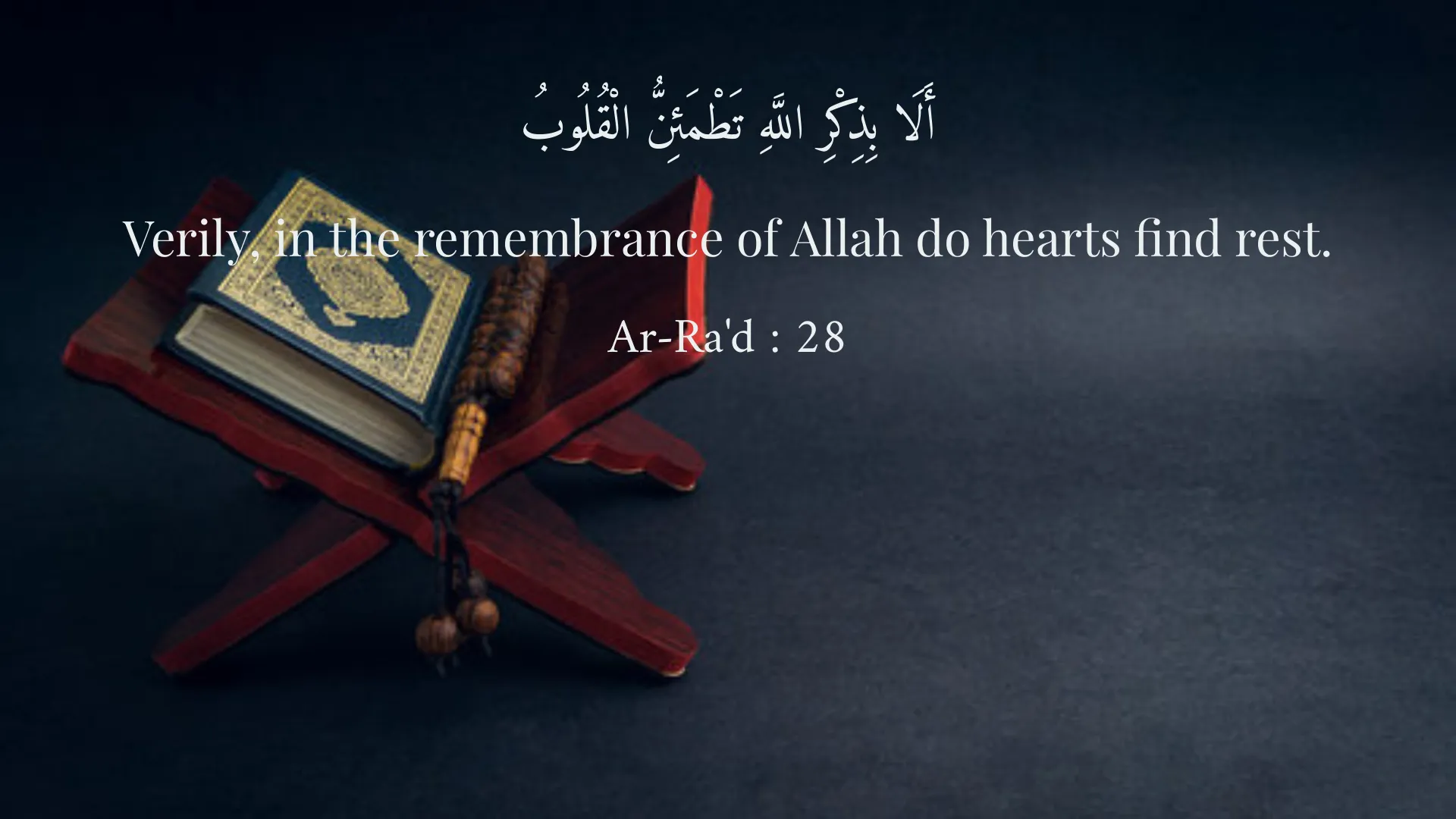
The Holy Quran, regarded as the final revelation from God to humanity, serves not only as a spiritual guide but also as a profound source of wisdom that inspires individuals to explore various pathways to attain inner peace. It offers insights into human nature, the complexities of life, and the means through which one can nurture tranquility and harmony within oneself. Among the manifold teachings expressed within its verses, the concepts of the remembrance of God, adherence to divine commandments, and the importance of moral behavior emerge as pivotal elements that collectively contribute to achieving inner peace. ### The Remembrance of God One of the most crucial concepts highlighted in the Quran is the remembrance of God, also known as "dhikr." This practice serves as a cornerstone for Muslims, depicting a profound relationship between the individual and their Creator. The Quran clearly states in Surah Ar-Ra'd, verse 28: 'Verily, in the remembrance of Allah do hearts find rest.' This powerful verse encapsulates the essence of tranquility, emphasizing that in moments of anxiety, uncertainty, or despair, individuals should turn towards God. This act of remembering God plays a dual role: it not only provides comfort and solace but also reinforces one's faith and strengthens the connection to the Divine. Engaging in dhikr can take various forms, whether through prayer, reflection, or recitation of Quranic verses, each fostering a deeper sense of awareness and mindfulness. Through establishing this spiritual practice, believers often report a profound reduction in mental clutter, allowing them to navigate life's challenges with greater courage and clarity. The significance of remembrance extends beyond personal tranquility; it forms a communal bond, bringing individuals together in collective worship. This shared experience enhances feelings of belonging and support, as individuals unite in their devotion to God. In a world characterized by rapid change and materialism, such moments of connection are essential for nurturing a collective sense of peace within communities. ### Adherence to Divine Commandments In addition to the remembrance of God, the Quran stresses the importance of following divine commandments as a pathway to inner peace. The teachings in Surah Al-An'am, verse 153 state: 'And verily, this is My straight path, so follow it; and do not follow other paths, for they will separate you from His path.' Following the straight path, also known as "Sirat al-Mustaqim," signifies adherence to God's guidance, as outlined within the Quran and the teachings of the Prophet Muhammad (peace be upon him). The straight path represents a life centered around justice, compassion, and righteousness. By choosing to walk this path, individuals commit themselves to fulfilling their spiritual obligations while striving to embody ethical values in their interactions with others. This commitment not only fosters personal growth but also enhances societal harmony. When individuals prioritize adherence to divine commandments, they cultivate a sense of purpose, direction, and stability, which naturally leads to greater inner peace. Furthermore, the process of aligning one's actions with spiritual principles often requires deep reflection and self-discipline. Engaging in acts of worship, fulfilling obligations, and showing kindness can lead to a cascade of positive outcomes, both for the individual and those around them. When people engage earnestly in good deeds and strive to embody divine guidance, they often find themselves in more peaceful and fulfilling circumstances. ### The Importance of Moral Behavior Lastly, the Quran emphasizes the necessity of moral behavior and kindness towards others as essential elements of spiritual growth and inner peace. In Surah Al-Muzzammil, verse 20, it articulates: 'Indeed, your Lord knows that you stand (in prayer) nearly two-thirds of the night.' This verse highlights that engaging in good deeds and worship—whether through prayer, charity, or acts of kindness—is recognized by God and contributes significantly to tranquility. The practice of moral behavior is not merely about fulfilling obligations; it requires empathy, compassion, and respect for all creations of God. When individuals prioritize ethical conduct, they contribute to a nurturing environment that fosters peace and stability within their communities. The practice of kindness acts as a ripple effect, promoting a culture of compassion that can profoundly mitigate issues such as anger, hatred, and conflict. Moreover, moral behavior in interpersonal interactions is a reflection of one's internal state. When individuals cultivate peace within themselves, they inevitably project that tranquility onto their surroundings, thus creating a peaceful atmosphere. Positive actions and moral conduct are vital for personal well-being and societal harmony. ### Conclusion In summary, the Quran eloquently identifies the remembrance of God, adherence to divine commands, and moral conduct as the three essential means to achieve inner peace. The spiritual teachings contained within the Quran provide a holistic approach to nurturing tranquility, emphasizing the deep connection between the individual, their Creator, and the broader community. By embracing these guiding principles, believers are equipped with the tools necessary to navigate the complexities of life, fostering a sense of serenity, fulfillment, and purposeful living. Through the sacred verses of the Quran, individuals are encouraged to adopt a lifestyle that cultivates inner peace, ultimately leading to a more harmonious and connected existence.
Related Verses
أَلَا بِذِكْرِ اللَّهِ تَطْمَئِنُّ الْقُلُوبُ
Verily, in the remembrance of Allah do hearts find rest.
Ar-Ra'd : 28
وَإِنَّ هَذَا صِرَاطِي مُسْتَقِيمًا فَاتَّبِعُوهُ
And verily, this is My straight path, so follow it.
Al-An'am : 153
إِنَّ رَبَّكَ يَعْلَمُ أَنَّكَ تَقُومُ أَدْنَى مِنْ ثُلُثَيِ اللَّيْلِ
Indeed, your Lord knows that you stand (in prayer) nearly two-thirds of the night.
Al-Muzzammil : 20
Short Story
One day, a young man named Amir was reflecting on his daily struggles. He felt that his life had lost meaning amidst these troubles. He recalled the verses of the Quran, especially the one from Surah Ar-Ra'd that says, 'Verily, in the remembrance of Allah do hearts find rest.' Amir decided to dedicate some time every day to the remembrance of Allah. After a few weeks, he realized that the challenges of life became more bearable, and he felt a greater sense of tranquility.