Quranic Answer
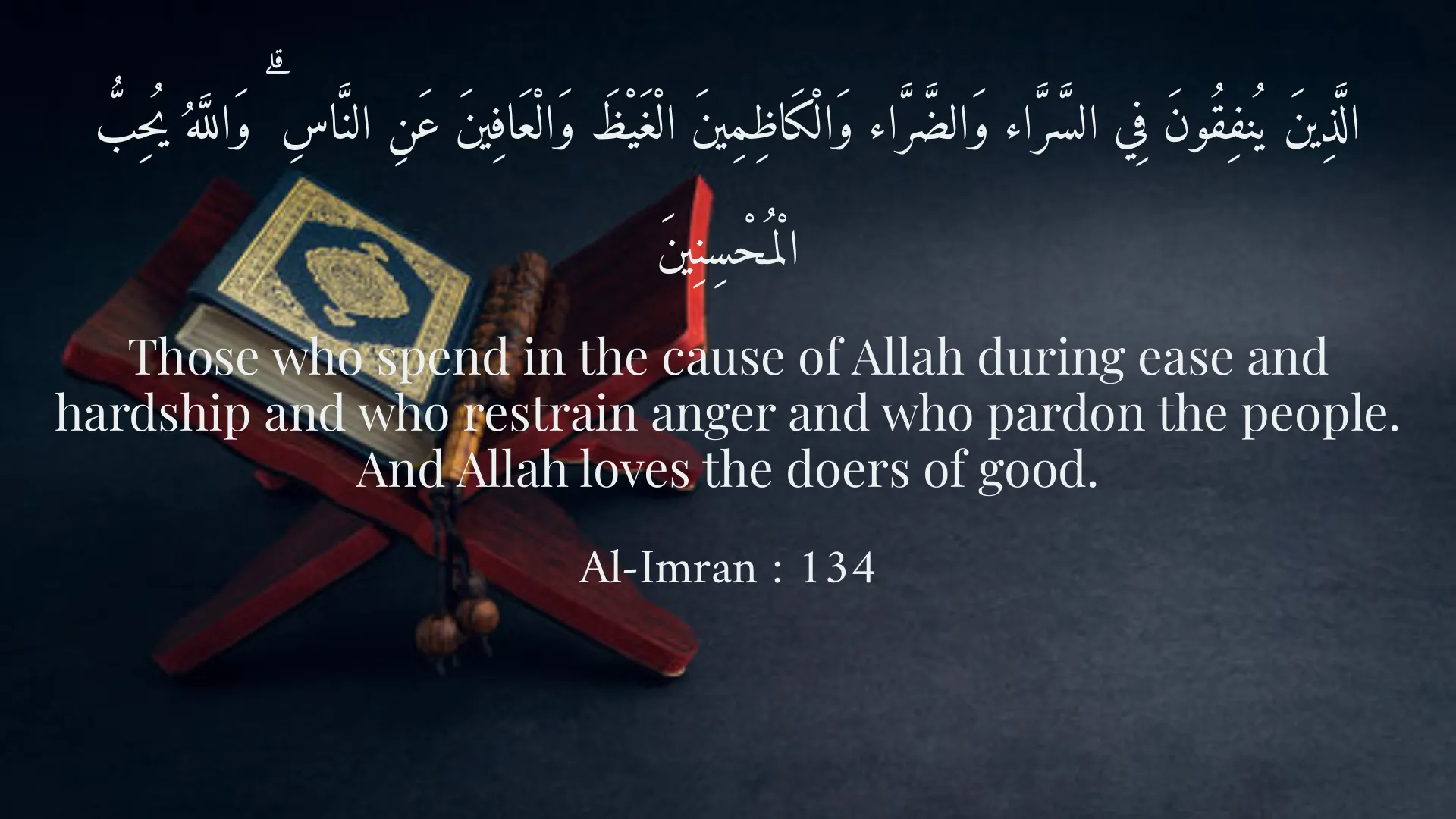
The Holy Quran, serving as a comprehensive guide for Muslims and humanity at large, lays great emphasis on the significance of forgiveness and forbearance. It posits these virtues as essential characteristics of believers, intertwining them with the intricate fabric of ethical and moral conduct that Muslims are encouraged to embrace. The teachings found within the Quran address not only the spiritual aspects of faith but also practical implications in interpersonal relationships, urging individuals to cultivate a spirit of forgiveness and restraint in the face of adversity. One of the most poignant reminders of these values is encapsulated in Surah Al-Imran, verse 134. Here, Allah articulates the traits of the pious, declaring: "Who spend in the cause of Allah during ease and hardship and who restrain anger and who pardon the people. And Allah loves the doers of good." This verse effectively outlines a threefold manner of righteous conduct: spending in Allah's cause, managing one’s anger, and extending forgiveness to others. Each component highlights the expectation that believers not only engage in acts of charity and service but also possess emotional intelligence as part of their faith practice. Restraint of anger is a challenging endeavor for many, yet the Quran teaches that managing one's emotions is a hallmark of spiritual maturity. By emphasizing the importance of pardoning others, Allah suggests that the act of forgiving is a step towards embodying the essence of faith itself. Consequently, those who are able to forgive demonstrate resilience, compassion, and a commitment to fostering harmony within their communities. Furthermore, in Surah Al-Baqarah, verse 237, Allah underscores the immense value of His forgiveness and the importance of reciprocating such grace. The verse articulates, "And if you pardon and overlook and forgive—then indeed, Allah is Forgiving and Merciful." This reveals a profound truth: divine forgiveness is contingent upon our willingness to forgive others. The reciprocal nature of forgiveness illustrates how intertwined human relationships are within the spiritual context; it highlights the expectation that believers actively partake in showing mercy towards one another as a reflection of the mercy that Allah bestows upon them. Moreover, in Surah An-Najm, verse 32, Allah mentions, "And those who are patient in misfortune and hardship and during battle. It is they who are the true believers." In this verse, Allah calls believers to cultivate patience while enduring hardships, misfortunes, and conflicts. The underlying message promotes the idea that true faith is demonstrated through steadfastness in difficult circumstances and patience in relation to the shortcomings of others. Such faith entails a higher moral ground, not merely acting against the wrongdoings of others but also exercising patience and understanding. Patience is intricately linked to the practice of forgiveness. To forgive often requires a substantial degree of patience. Individuals grappling with the challenge of forgiving another must reflect on their grievances, practice empathy, and strive to see the humanity in others. The Quran encourages this perspective, reinforcing that forgiveness leads to personal growth and spiritual elevation. Throughout its verses, the Holy Quran continually advocates for forgiveness, urging believers to approach life with compassion. By emphasizing the consequences of holding onto grudges and the spiritual upliftment associated with letting go of past transgressions, the Quran seeks to instill harmony and mitigate conflict among individuals. The act of forgiveness, then, is not only beneficial for those who receive it but serves as a transformative experience for those who offer it as well. Furthermore, the ethical framework established in the Quran makes it clear that forgiveness is a cornerstone of social justice. In a world rife with injustice, anger, and vengeance, choosing to forgive becomes a radical act of love and understanding. This kind of forgiveness challenges the status quo, prompting individuals to rise above their instincts for retribution. By embracing forgiveness, communities can heal, grow, and foster an environment where mutual respect prevails. Moreover, forgiveness in Islam is not only a personal ethical feature; it’s a communal responsibility. When a society prioritizes forgiveness and reconciliation, it creates mechanisms for healing injustices and disputes. This collective act of forgiveness has the potential to break the chains of bitter feuds and fostering an atmosphere of peace and cooperation. In conclusion, the Holy Quran presents forgiveness as a profound and transformative practice within the framework of Islamic faith. The lessons extracted from the Quran underscore that forgiveness is synonymous with love, mercy, and ethical behavior. Believers are encouraged to embody these values in their daily lives, engaging in acts of compassion and understanding. Forgiveness is not merely an obligation but a pathway to spiritual fulfillment and communal harmony. By prioritizing forgiveness, individuals contribute to nurturing a world that reflects the virtues taught by the Quran, thereby embodying the essence of humanity and virtuous ethics. It is through these teachings that the Quran serves as a timeless guide for believers, urging them to transcend anger, embrace compassion, and cultivate an environment of forgiveness.
Related Verses
الَّذِينَ يُنفِقُونَ فِي السَّرَّاء وَالضَّرَّاء وَالْكَاظِمِينَ الْغَيْظَ وَالْعَافِينَ عَنِ النَّاسِ ۗ وَاللَّهُ يُحِبُّ الْمُحْسِنِينَ
Those who spend in the cause of Allah during ease and hardship and who restrain anger and who pardon the people. And Allah loves the doers of good.
Al-Imran : 134
وَإِن كَانَ عُسْرٌۭ فَشَيْءٌۭ مِنْ عَفْوٍۢ فَإِنَّ اللَّهَ سَمِيعٌ عَلِيمٌۭ
But if someone gives up his right as charity, that is best for him.
Al-Baqarah : 237
وَالَّذِينَ يُرْسِلُونَ بَيْنَ النَّاسِ إِلَىٰ الذِينَ كَانُوا عَلَىٰ فَاحِشَةٍ أَوْ ذَكَرُوا بِكَلِمَةٍ مَكْرُوهَةٍ فِي قُرَائِهُمْ
And those who circulate among the people, keeping honesty in front of imperfections of others.
An-Najm : 32
Short Story
One day, a man named Ali felt hurt and decided to take revenge on a friend who had wronged him. However, while reflecting, he thought about the Quranic verses and the importance of forgiveness. He decided to accept his friend's apology instead of seeking revenge. This decision brought peace to his heart, and their friendship was restored.