Quranic Answer
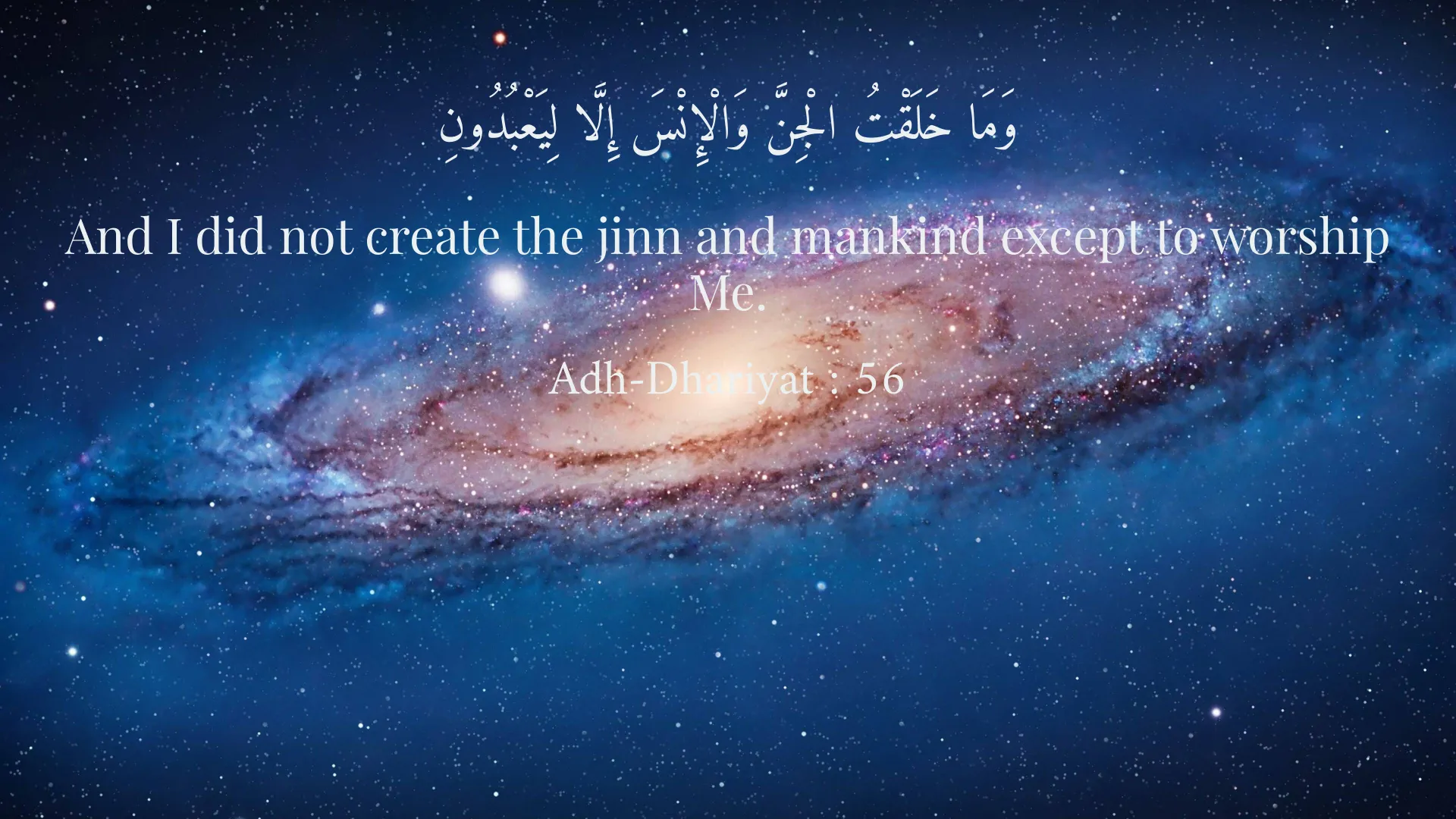
The Holy Quran, revered as the ultimate guide to life, imparting wisdom and understanding to humanity, emphasizes the significance of self-awareness and introspection throughout its verses. It serves as a beacon for those seeking knowledge about themselves and their existence. In today's rapidly changing world, where distractions abound, this message is more important than ever. The Quran, through its teachings, invites individuals to engage in deep reflection and contemplate not only their relationships with others but also their own inner truths. One of the most profound concepts emphasized in the Quran is that of understanding our existence and purpose. In Surah Adh-Dhariyat, verse 56, it is stated: "And I did not create the jinn and mankind except to worship Me." This fundamental declaration highlights that the primary purpose of human creation is the act of worship and the nurturing of one’s inner self. The word "worship" extends beyond mere rituals; it encompasses acknowledging the Creator, seeking to understand Him, and cultivating a relationship steeped in love, reverence, and gratitude. This verse compels us to ponder our life objectives: Are we genuinely following a path that brings us closer to God? Are we living with awareness of our actions and their implications on our eternal souls? Moreover, the concept of self-awareness transcends the physical realm and continues even after death, as conveyed in Surah Ali 'Imran, verse 169: "And do not think of those who have been killed in the cause of Allah as dead; rather, they are alive with their Lord and are provided for." This verse serves as a reminder that our journey of awareness and reflection does not end with our physical existence. Rather, the essence of self-awareness is intrinsic to the soul, encouraging individuals to remain vigilant in seeking knowledge, understanding, and closeness to Allah. It suggests that even in the face of death, the quest for self-awareness and understanding lives on. Engaging with self-awareness is not merely a self-indulgent act; it has far-reaching benefits that resonate throughout our lives. By understanding our virtues and shortcomings, we cultivate an authentic relationship with ourselves, which, in turn, impacts our relationship with our Creator and those around us. It is through this understanding that we become more equipped to handle challenges, make informed decisions, and act with compassion. The Quran provides numerous reflections on human nature, guiding the faithful to nourish their hearts and minds, ultimately leading to higher states of awareness. In Surah Al-Mu'minun, verse 14, Allah articulates the journey of human transformation: "Then We made him a drop of fluid in a firm lodging. Then We made the fluid a clinging clot; then We made the clot a lump resembling [a chewed piece of flesh]; then We made out of that lump bones and clothed the bones with flesh; then We developed out of it another creation. So blessed is Allah, the best of creators." This verse illustrates the transformative phases of human growth, symbolizing continuous progress and development. The human experience is not static; much like the stages of physical development, self-awareness is a journey marked by evolving insights and revelations. Introspection aligns with the call for self-awareness, particularly in light of how we act and react in our daily lives. Contemplation encourages individuals to take a step back, evaluate their actions, and align them with their spiritual and moral values. As we engage in self-reflection, we hone our ability to discern right from wrong, fostering resilience against life's trials. The Quran serves as a reminder that the journey of understanding oneself allows one to navigate the ambiguous waters of existence with grace and poise. Additionally, self-awareness nurtures tranquility. In moments of stress and uncertainty, understanding our feelings, motivations, and reactions helps cultivate inner peace. Through this lens, we come to see life challenges not merely as burdens, but as opportunities for growth and learning. The Quran's teachings inspire believers to embrace these challenges by trusting in God’s wisdom and mercy, which ultimately promotes a sense of serenity amidst adversity. The pursuit of self-awareness also aligns with the notion of responsibility—an acknowledgment that humans are accountable for their actions. In recognizing our traits—whether they be strengths or weaknesses—we are thereby empowered to improve ourselves. The Quran consistently emphasizes the importance of personal accountability, inviting its readers to pave a path towards self-betterment and ethical living. In addition, self-awareness promotes empathy, which is an essential characteristic within the context of relationships. When we understand ourselves, we become more attuned to the perspectives and feelings of others, fostering an environment of compassion and respect. The Quranic call to reflection extends not just inwardly but also outwardly, inviting believers to consider the lives of those around them. In recognizing our shared humanity, we cultivate community and harmonious coexistence. In conclusion, the Holy Quran is a profound guide, consistently urging humanity towards self-awareness and introspection. It elucidates the essence of our existence and calls upon us to engage in a lifelong journey of understanding ourselves, our purpose, and our relationship with the Divine. Through the layers of reflection, contemplation, and growth, we can achieve a holistic sense of self that not only enhances our connection with our Creator but also shapes our interactions with the world around us. The Quran opens a door to a path of continuous improvement, inviting believers to engage with the divine messages while striving to embody the virtues of self-awareness, compassion, and tranquility in their daily lives.
Related Verses
وَمَا خَلَقْتُ الْجِنَّ وَالْإِنْسَ إِلَّا لِيَعْبُدُونِ
And I did not create the jinn and mankind except to worship Me.
Adh-Dhariyat : 56
وَلَا تَحْسَبَنَّ الَّذِينَ قُتِلُوا فِي سَبيلِ اللَّهِ أَمْوَاتًا بَلْ أَحْيَاءٌ عِندَ رَبِّهِمْ يُرْزَقُونَ
And do not think of those who have been killed in the cause of Allah as dead; rather, they are alive with their Lord and are provided for.
Ali 'Imran : 169
ثُمَّ أَنشَأْنَاهُ خَلْقًۭا آخَرَ ۖ فَتَبَارَكَ اللَّهُ أَحْسَنُ الْخَالِقِينَ
Then We developed him into another creation. So Blessed is Allah, the best of creators.
Mu'minun : 14
Short Story
Once upon a time, there was a man named Hasan whose life was very busy. He gradually realized that he was immersed in the outside world and had forgotten himself. One day, he decided to take some time to go to a quiet corner and listen to his heart. After a while, he reached astonishing results in self-awareness and continued his life with more tranquility and purpose.