Quranic Answer
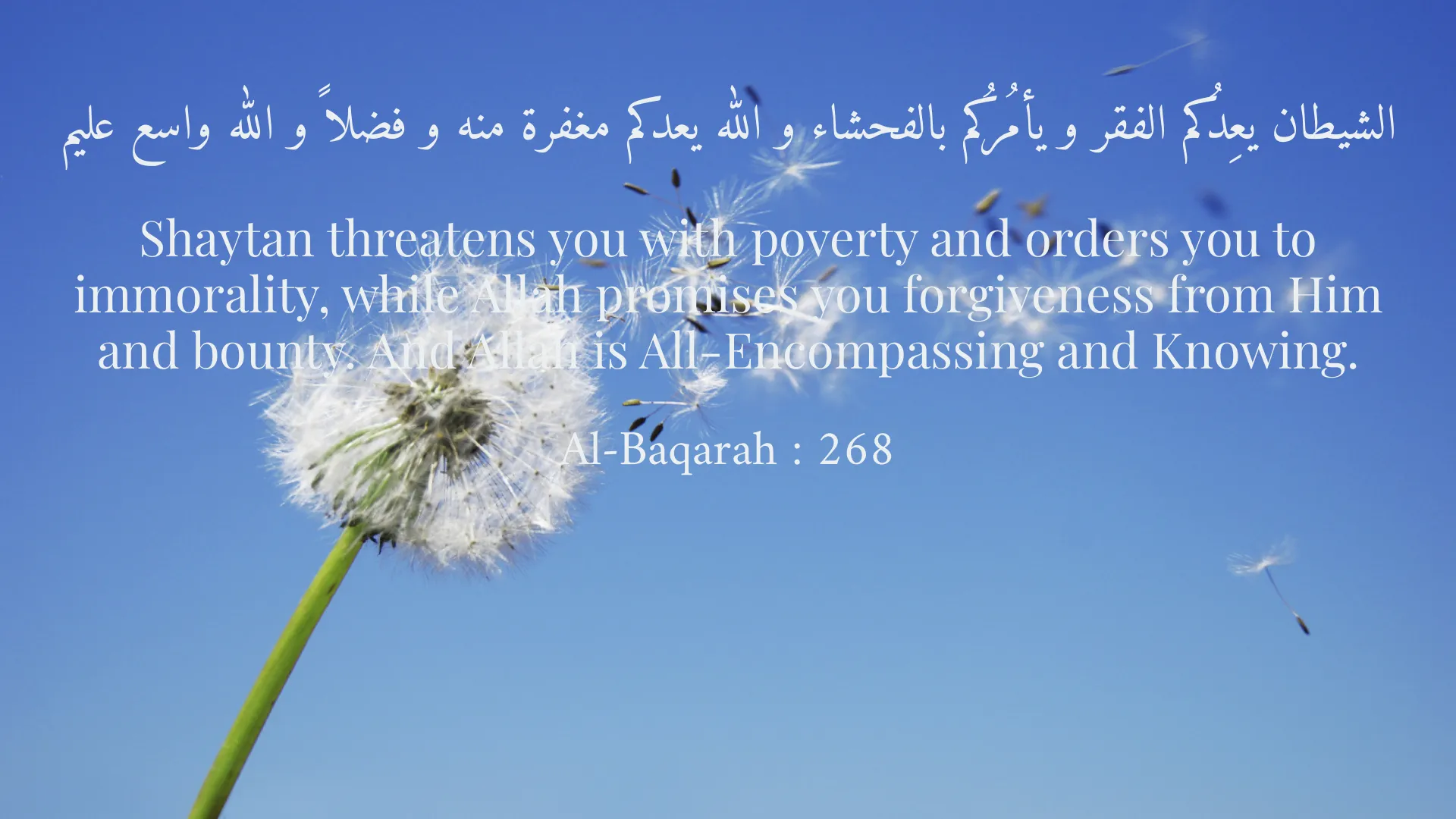
The Holy Quran is not only a religious text but also a profound guide for human conduct. Among the many virtues that it extols and encourages, one of the prominent themes is the significance of generosity and the condemnation of miserliness. This dichotomy is particularly relevant in today's world, where material wealth can often lead individuals to adopt behaviors that are contrary to the teachings of Islam. The Quran unequivocally addresses the issue of miserliness, framing it as an undesirable trait and illustrating its moral and social implications. In Surah Al-Baqarah, verse 268, the Quran states: 'Shaytan threatens you with poverty and orders you to immorality, while Allah promises you forgiveness from Him and bounty. And Allah is All-Encompassing and Knowing.' This verse serves as a timely reminder for those who suffer from the ailment of miserliness. It raises awareness that the fear of poverty, often instilled by Shaytan, can lead individuals away from righteousness and into immorality. When people hoard their wealth, believing that it will secure their future, they may inadvertently allow despair and wrongdoing to take root in their lives. The following message is clear: the Quran urges believers to overcome the fear instilled by Shaytan and trust in Allah's promises. Instead of being stingy, believers are encouraged to spend generously in the way of Allah, an act that not only fulfills a social responsibility but also enriches their spiritual lives. Moreover, the Quran emphasizes the consequences of miserliness. In Surah Al-Imran, verse 180, it states: 'And let not those who covetously withhold what Allah has given them of His bounty think that it is better for them; rather, it is worse for them.' This verse poignantly illustrates a key principle: holding back on what one has received is detrimental not just to the community, but also to the individual. The misconception that wealth will bring prosperity serves only to decrease the blessings that are meant to flow through an individual’s life. The Quran elucidates that withholding wealth can lead to a cumulative loss, emphasizing the need for generosity as a foundational moral principle. In Islam, the act of giving is not merely an option but a fundamental tenet that enhances social cohesion and contributes to the welfare of the community as a whole. Numerous verses in the Quran emphasize spending in the way of Allah, showcasing both commendation and encouragement toward acts of generosity and charity. For instance, the Quran frequently refers to the virtues of giving alms (Zakat) and making voluntary charitable donations (Sadaqah). Zakat serves as a mandatory practice that emphasizes the importance of wealth distribution, aiming to alleviate poverty and provide for the less fortunate. Generosity is also illustrated in the life of Prophet Muhammad (PBUH), who serves as a model for believers. His conduct was characterized by selflessness and an unwavering commitment to helping others, regardless of his own material circumstances. The Prophet often emphasized that true wealth lies in giving rather than acquiring, teaching that those who hoard wealth deprive not only others but ultimately themselves of true fulfillment and happiness. Furthermore, it is essential to recognize that miserliness not only harms others but also negatively impacts the individual themselves. Research within psychological frameworks suggests that those who practice generosity report a greater sense of happiness and contentment in their lives. The Quran's teachings resonate with such findings, as it encourages individuals to break free from the confines of selfishness and instead embrace a more fulfilling existence rooted in compassion and empathy. In essence, the Quran teaches that miserliness leads to discontent and spiritual stagnation, whereas generosity opens the door to numerous blessings. It inspires individuals to reflect on their actions and to align themselves with divine principles which advocate for caring for others and sharing one’s blessings. When believers engage in spending in the path of Allah, they cultivate a nurturing relationship with their communities and reinforce the bonds of brotherhood within the Ummah. Moreover, by sharing wealth, resources, and knowledge, individuals amplify their blessings and draw closer to God's pleasure, thus experiencing peace in their lives. In conclusion, the issue of miserliness is approached with a holistic understanding in the Holy Quran. The text guides individuals to recognize the destructive nature of withholding resources while simultaneously elevating the status of generosity as both a moral imperative and a source of spiritual enrichment. As believers reflect upon their relationship with wealth and the significance of charitable acts, they must remember that in spending in the way of Allah lies not only fulfillment for others, but also the key to their own happiness and contentment. It is vital to cultivate an ethos of generosity, for it is through our shared acts of kindness and altruism that we flourish as human beings, reflecting the divine qualities that the Quran so beautifully outlines.
Related Verses
الشیطان یعِدُکم الفقر و یأمُرُکم بالفحشاء و الله یعدکم مغفرة منه و فضلاً و الله واسع علیم
Shaytan threatens you with poverty and orders you to immorality, while Allah promises you forgiveness from Him and bounty. And Allah is All-Encompassing and Knowing.
Al-Baqarah : 268
و لا یحسبن الذین بخلون بما آتاهُم الله من فضله هو خیراً لهم، بل هو شر لهم
And let not those who covetously withhold what Allah has given them of His bounty think that it is better for them; rather, it is worse for them.
Al-Imran : 180
Short Story
One day, two friends were sitting in a park. Ali said, 'I always worry about money and I'm afraid to spend.' Hassan replied, 'Being miserly not only harms you, but it also takes away blessings from you.' Ali pondered over Hassan's words and decided to give more. After some time, Ali noticed that his life had improved, and he felt happier and more at peace.