Quranic Answer
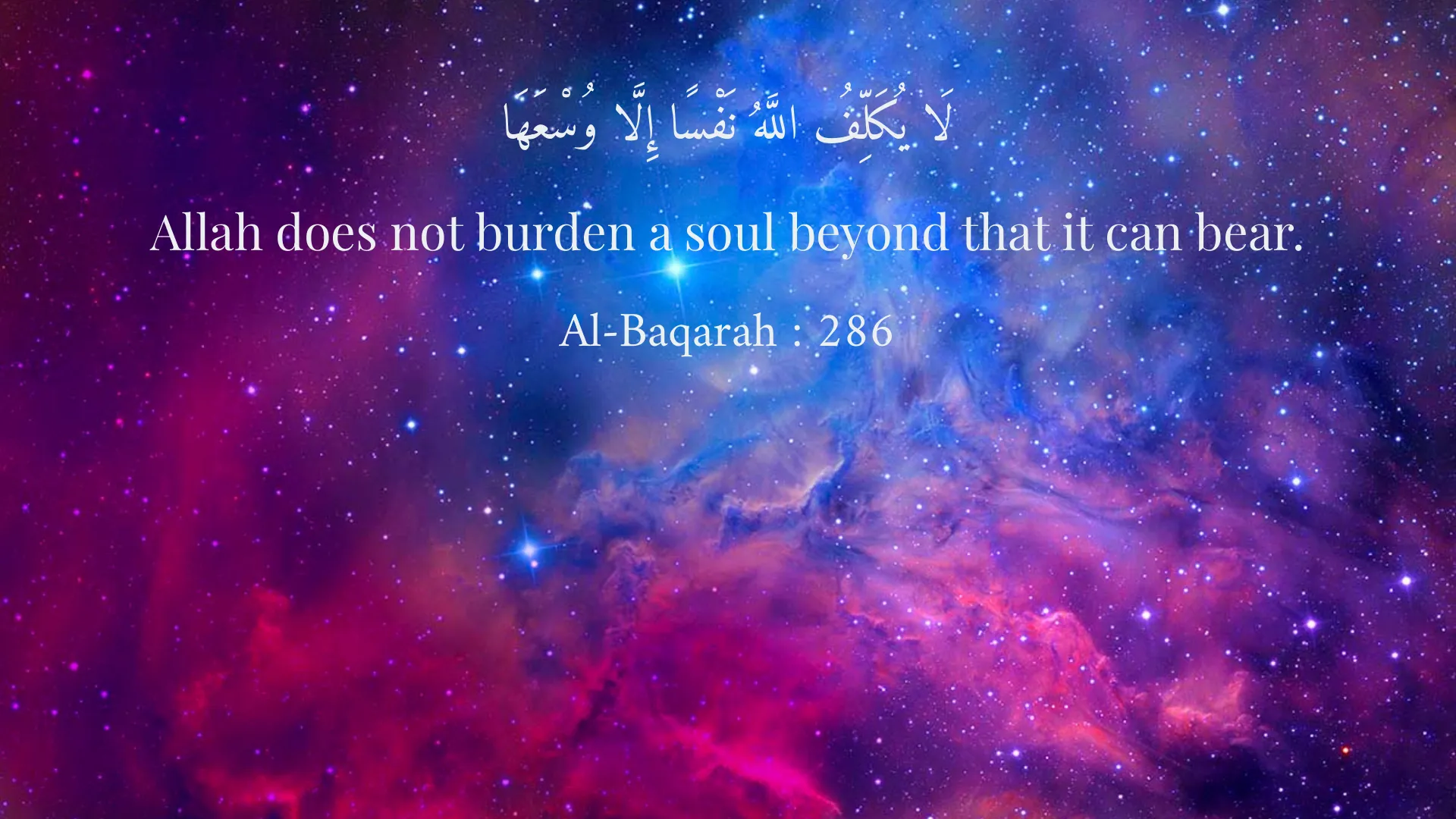
The Holy Quran, as the central religious text of Islam, serves as a comprehensive guide for followers in various aspects of life, including the challenge of overcoming bad habits. Throughout its verses, the Quran emphasizes the importance of personal growth, reforming character, and aligning oneself with honorable behaviors. In this article, we will explore how the Quran addresses the issue of breaking bad habits and replacing them with good and honorable behaviors. The guidance provided in the Quran encompasses not only spiritual reflection but also practical steps that individuals can take to achieve lifelong transformation. The concept of change and the capacity for personal reform are eloquently articulated in Surah Al-Baqarah, verse 286, which states, 'Allah does not burden a soul beyond that it can bear.' This powerful verse instills hope in believers that everyone possesses the innate capacity to change and improve. It emphasizes the notion that individual struggles are proportional to one's abilities and circumstances. This perspective resonates heavily with those who face difficulties in overcoming destructive habits, as it serves as a reminder that one should strive according to their unique abilities and traits. In acknowledging one’s own limitations while also recognizing the potential for growth, individuals can cultivate the resilience needed to confront their bad habits. Moreover, in Surah Al-Furqan, verse 70, the Quran explicitly addresses the critical role of repentance in overcoming negative behaviors. The verse states, 'except for those who repent, believe, and do righteous work, should turn away from their bad habits.' This implies that Allah provides a path of repentance and an opportunity for renewal to all His servants. The ideal of repentance encapsulates not only a mere acknowledgment of past mistakes but also the sincere intention to change one's ways. Thus, repentance becomes a vital tool for personal growth, allowing individuals to turn back to Allah, reflect on their actions, and make conscious efforts to replace their bad habits with righteous deeds. In addressing the root causes of bad habits, the Quran underscores the significance of correct thought patterns. Surah Al-Mu’minun, verses 1 and 2, assert, 'Indeed, the believers have succeeded; they who are during their prayer humbly submissive and they who turn away from ill speech.' These verses illustrate the connection between a devoted lifestyle, meaningful prayer, and the avoidance of harmful behaviors. Believers are encouraged to engage in regular prayer, as it serves as a grounding force in their lives, allowing them to remain focused on spiritual and moral priorities. The act of prayer fosters a connection with Allah, offering solace and strength against distractions and temptations that perpetuate bad habits. Ultimately, a life devoted to prayer instills a sense of discipline and focus, effectively equipping one with the tools necessary to navigate challenges. Furthermore, turning away from ill speech signifies the importance of communication and the impact of language on one's behaviors. By choosing to avoid harmful speech, individuals reduce negativity both in their own lives and the lives of others, which creates an overall environment conducive to positive change. While the Quran provides comprehensive guidance on how to combat bad habits, it also promotes the value of self-reflection and continuous improvement. One way to achieve this is through contemplation of our daily actions and decisions. Regular introspection allows individuals to identify patterns of behavior that may be detrimental and encourages the pursuit of better habits. This can involve seeking knowledge, engaging with inspirational content, or surrounding oneself with supportive individuals who foster personal growth. As part of this journey toward self-improvement, the Quran emphasizes accountability. Being accountable for one’s actions not only involves recognizing mistakes but also understanding the direct consequences of those habits. The realization that every action has an impact both on oneself and on the communities in which one exists can serve as a powerful motivator in the quest for self-reform. This sense of responsibility can guide individuals toward making conscious choices that align with their values and aspirations. Moreover, the role of community is not to be overlooked in the pursuit of personal growth. The Quran frequently highlights the significance of working together, providing support, and establishing environments that reinforce positive behaviors. Engaging with others who are also strivers of good habits can create a sense of camaraderie that strengthens one’s resolve. Whether it is through family, friends, or community groups, building relationships that promote righteousness contributes significantly to the journey of personal transformation. The Quran not only addresses the necessity of replacing bad habits with good ones but also encourages believers to find joy and purpose in living righteously. As individuals embark on this path, they often discover a more fulfilling way of life, replete with an enriched sense of spiritual connection, community involvement, and personal satisfaction. The positive changes that arise from persistent effort, combined with guidance from the Quran, lead to a holistic transformation of character that is both rewarding and reinforcing of the values one holds dear. In conclusion, the Holy Quran offers profound guidance for those seeking to break free from bad habits and cultivate honorable behaviors. Through verses that encourage personal capacity for change, the power of repentance, the importance of prayer, and the value of self-reflection and community, believers are equipped with the tools necessary for transformation. As we strive for progress in our lives, it is essential to consistently contemplate our actions, seek better ways for growth, and foster a healthier and more fulfilling existence. The journey may be challenging, but with dedication, faith, and unwavering guidance from the Quran, the prospect of breaking bad habits and embodying good character is always within reach.
Related Verses
لَا يُكَلِّفُ اللَّهُ نَفْسًا إِلَّا وُسْعَهَا
Allah does not burden a soul beyond that it can bear.
Al-Baqarah : 286
إِلَّا مَنْ تَابَ وَآمَنَ وَعَمِلَ عَمَلًا صَالِحًا
Except for those who repent, believe, and do righteous work.
Al-Furqan : 70
قَدْ أَفْلَحَ الْمُؤْمِنُونَ
Indeed, the believers have succeeded.
Al-Mu’minun : 1
Short Story
One day, a young man named Hasan faced problems in his life and his bad habits troubled him. He recalled the verses of the Quran and decided to repent and return to God to try to break these habits. Hasan grew closer to God day by day and was able to replace his bad habits with good ones, leading to a positive change in his life.