Quranic Answer
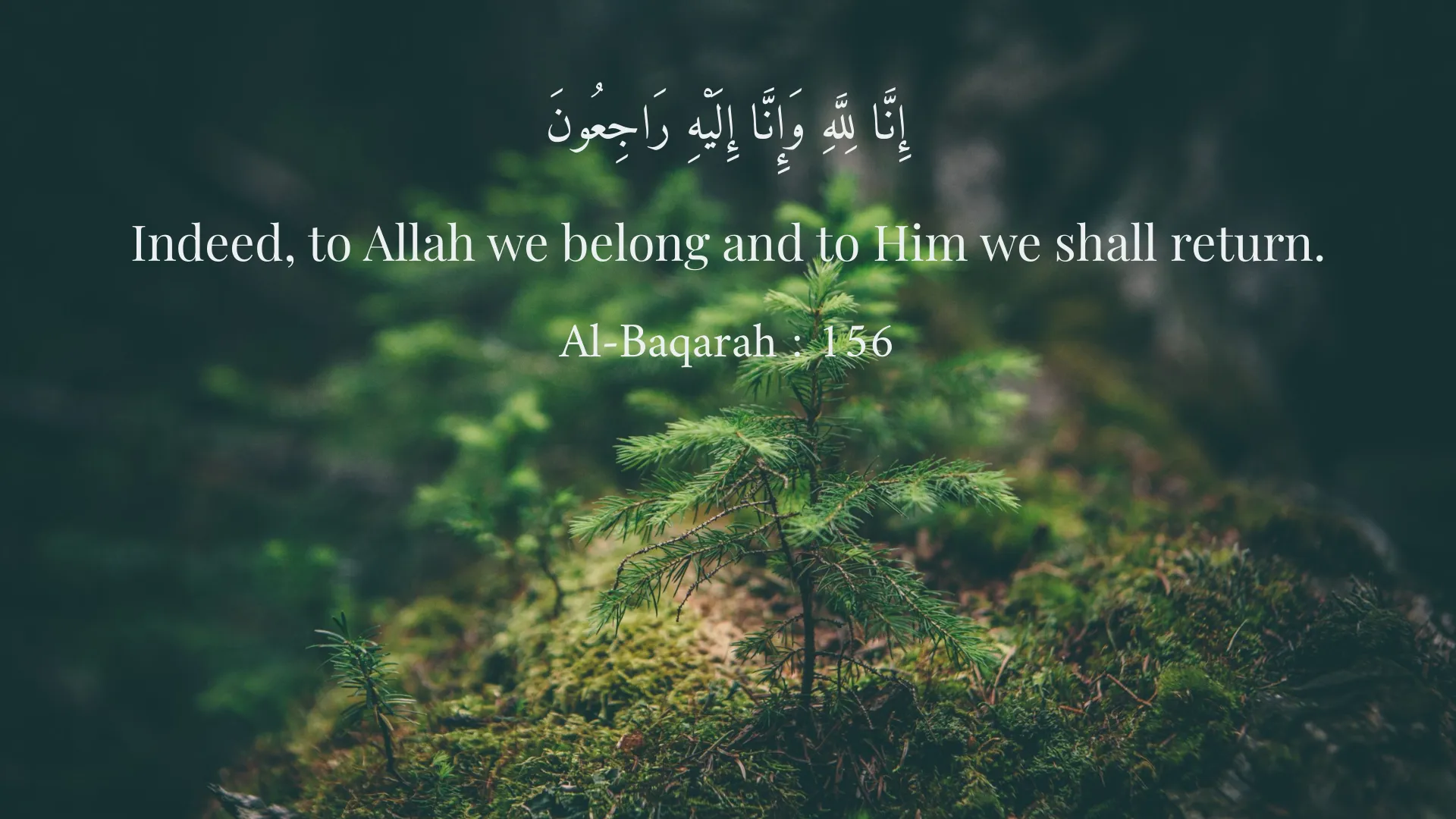
### The Fear of Death: A Human Emotion and Quranic Guidance The fear of death is a deeply ingrained emotional response that resonates with the human experience. This universal fear arises from the psychological contemplation of the inevitable end of life and the uncertainty that surrounds it. Many individuals grapple with this fear in various forms during different stages of their lives. The emotional weight of mortality often leads to anxiety, existential questioning, and a search for deeper meaning. For believers, the Holy Quran serves as a profound source of comfort, guidance, and solace, offering verses that address the fear of death while elucidating the Islamic perspective on life, death, and the hereafter. #### The Reality of Belonging to Allah One of the most impactful verses that speaks directly to the fear of death is from Surah Al-Baqarah, verse 156, which states: 'Indeed, to Allah we belong and to Him we shall return.' This verse encapsulates a fundamental belief in Islam: the idea of belonging to a Creator who is eternal and merciful. It serves as a reminder that life is a transient gift, and our return to Allah represents a transition rather than an end. Understanding this concept can significantly alleviate the psychological burden of dying. When we recognize that our existence on this earth is temporary, we can embrace the notion that death is not something to fear but rather a natural step in our spiritual journey. The shift in perspective provided by this verse allows believers to confront their mortality with grace and acceptance, trusting that they are merely returning to their source. #### The Concept of Life After Death In addition to reminding believers of their return to Allah, the Quran emphasizes the continuity of life beyond the physical realm. Surah Al-Imran, verse 169, reassures believers with the words: 'And do not think that those who have been killed in the way of Allah are dead; rather, they are alive with their Lord, receiving provision.' This verse offers profound solace by emphasizing that death is not an end; rather, it is a transformation into a different form of existence. This concept is particularly significant for those who have lost loved ones or who have experienced loss in tragic circumstances—by framing death as a continuation of life with Allah, the Quran provides a sense of hope and reassurance. For believers, the notion that martyrs receive divine provision and reside with their Lord imparts a sense of honor and dignity to the notion of dying for a noble cause. Moreover, this perspective encourages individuals to redefine their understanding of life and death. Far from being a final sentence, death becomes a gateway to eternal blessings, shaping how believers approach their existence on earth. By acknowledging that death does not equate to the cessation of life, believers can foster a more compassionate outlook about mortality. #### The Commonality of Death The inevitability of death is a theme that resonates throughout the Quran. Surah Az-Zumar, verse 30, states: 'Indeed, you are to die, and indeed, they are to die.' This verse addresses death as a universal truth that every human being must face. The recognition that all humans share this common destiny serves to unify us in a shared experience. When individuals recognize their shared fate, it becomes easier to accept the reality of death. The Quran places emphasis on mortality to prompt reflection on the value of life and the significance of our actions. It reminds us to lead meaningful lives and to focus on our spiritual development, which is pivotal in the face of death. This acceptance of death as an inevitable part of life encourages individuals to live intentionally, embracing every moment rather than succumbing to fear of the unknown. #### Finding Peace in the Belief of Afterlife The Quran's verses collectively serve as a balm for the anxious heart confronting death. In a world that often promotes a fear-based understanding of mortality, these divine assurances encourage individuals to seek solace and tranquility. For believers, the afterlife is not only a promise but an encouragement to live righteously while on earth. This perspective fosters a rich spiritual practice wherein believers engage in acts of goodwill and a sincere relationship with Allah. When individuals live with the understanding that their efforts and intentions bear significance beyond the temporal, they approach life not with fear of the end but with anticipation of what is to come after. The Quran teaches that life has a purpose, and in living righteously, believers cultivate a legacy that transcends death. #### Conclusion In conclusion, the fear of death is a natural human emotion that many individuals wrestle with, often leading to anxiety and existential dread. However, the Quran offers numerous verses that provide comfort and guidance, helping believers to confront these fears. Through verses like those from Surah Al-Baqarah, Surah Al-Imran, and Surah Az-Zumar, believers are reminded of their connection to Allah, the continuation of existence after death, and the universal fate that awaits all of humanity. These teachings emphasize that death is not an endpoint but a transition to an eternal life where righteous deeds are rewarded. By internalizing these lessons, individuals can cultivate acceptance of mortality, find peace in the face of death, and live meaningful lives that honor their beliefs. Thus, the Quran becomes not just a guidebook but a means of accessing serenity amidst the inherent fears of human existence.
Related Verses
إِنَّا لِلَّهِ وَإِنَّا إِلَيْهِ رَاجِعُونَ
Indeed, to Allah we belong and to Him we shall return.
Al-Baqarah : 156
وَلَا تَحْسَبَنَّ الَّذِينَ قُتِلُوا فِي سَبِيلِ اللَّهِ أَمْوَاتًا بَلْ أَحْيَاءٌ عِندَ رَبِّهِمْ يُرْزَقُونَ
And do not think that those who have been killed in the way of Allah are dead; rather, they are alive with their Lord, receiving provision.
Al-Imran : 169
إِنَّكَ مَيِّتٌ وَإِنَّهُمْ مَيِّتُونَ
Indeed, you are to die, and indeed, they are to die.
Az-Zumar : 30
Short Story
One day, a man named Ehsan was terrified by the thought of death and found it hard to continue his life. He attended a Quran gathering and heard that death is a natural part of life, and one of the Quranic verses clarified the problem he was facing: 'Indeed, to Allah we belong and to Him we shall return.' These words brought peace to his heart, and he remembered that there is everlasting life after death. From that day on, Ehsan decided to focus on faith and worship rather than fear death.