Quranic Answer
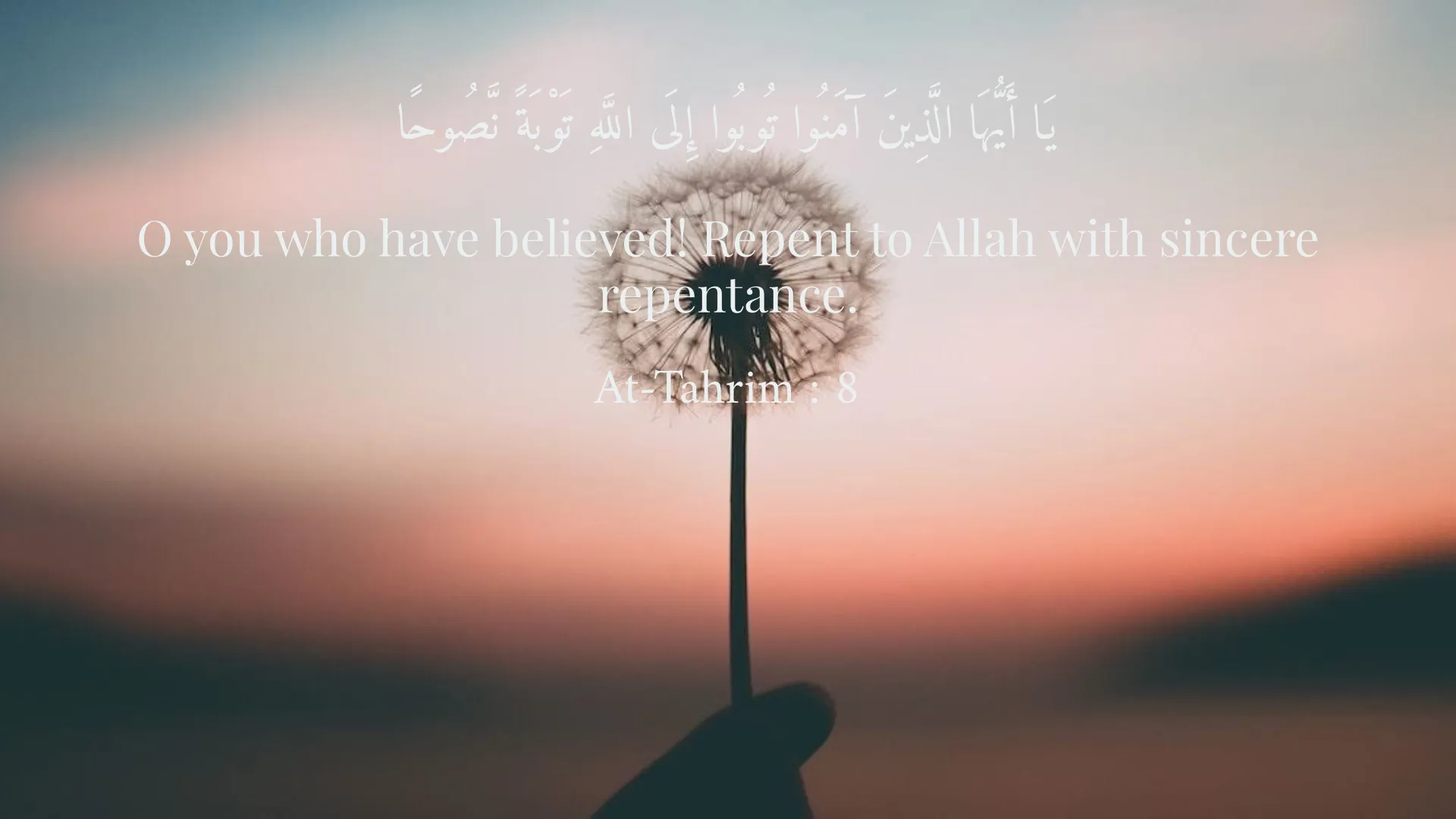
The Holy Quran holds a pivotal position in the lives of billions of Muslims around the world, serving not only as a religious text but also as a comprehensive guide for living a life imbued with spirituality and moral integrity. One of the central themes that echo throughout its verses is the concept of feelings of guilt and remorse, which are inherent in the human experience. In recognizing these emotions, the Quran provides a pathway for individuals to navigate their shortcomings through repentance and seeking forgiveness from Allah (God). This article will delve deeper into how the Quran addresses feelings of guilt and remorse, the importance of seeking forgiveness, and the transformative power of sincere repentance. The notion of guilt is often intertwined with the imperfections of human nature. Humans are inherently flawed, and the Quran acknowledges this reality. Allah, in His infinite wisdom, understands that His servants may falter and commit sins throughout their lives. However, the Quran also delivers a powerful message of hope, emphasizing that individuals can overcome their misdeeds through genuine repentance. One of the verses that significantly underscores this idea is found in Surah At-Tahrim, verse 8, which states, "O you who have believed! Repent to Allah with sincere repentance." This divine directive serves as an invitation to believers to turn toward Allah sincerely and wholeheartedly in their quest for redemption. Essentially, this verse illustrates that repentance is not just a matter of uttering a few words but is a profound act of the heart. It signifies a return to Allah, acknowledging one's sins and expressing a sincere desire to amend one's ways. The concept of sincere repentance, or "tawbah", transcends mere acknowledgment of wrongdoing; it encompasses a complete transformation of character, paving the way for spiritual rejuvenation and liberation from the burdens of guilt. By emphasizing sincerity, the Quran showcases the essence of repentance as a journey of self-reflection and rejuvenation, allowing individuals to cleanse their souls and find solace in their relationship with Allah. Moreover, the Quran reassures believers of the abundant mercy that Allah bestows on those who seek His forgiveness. In Surah Az-Zumar, verse 53, Allah calls out to His servants: "Say, O My servants who have believed! Fear your Lord. For those who do good in this world is good, and the earth of Allah is spacious. Indeed, the patient will be given their reward without account." This verse not only emphasizes the need to fear and respect Allah but also highlights the idea that goodness and benevolence in this life will be rewarded. The acknowledgment of Allah's mercy serves as a fundamental source of hope for believers, as it assures them that no matter how severe their sins may be, they are never too far removed from God's grace if they approach Him with a contrite heart. One of the primary obstacles individuals face when dealing with feelings of guilt is the weight of despair that often accompanies it. Guilt can manifest as an emotional burden, consuming thoughts and impacting mental well-being. The Quran serves as a reminder that believers need not be trapped in the cycle of remorse; rather, they can take actionable steps toward healing through submission to Allah. Trust in Allah's mercy and engaging in sincere repentance can cleanse the heart and spirit, restoring a sense of peace and purpose. Importantly, the Quran also reiterates that perfection is not a prerequisite for redemption. Every person is bound to make mistakes, and the Quran emphasizes that such imperfections are part of the human condition. As stated in Surah Al-Baqarah, verse 286, "Allah does not burden a soul beyond that it can bear." This verse indicates that while humans may falter, the essence of faith lies in their capacity for growth and improvement. Allah's mercy is vast, and it is primarily directed toward those who believe and strive to rectify their wrongs rather than distance them from grace. To illustrate the transformative power of repentance, one can reflect on the stories of the Prophets, many of whom faced trials and tribulations that posed moral dilemmas. The Quran recounts how these figures turned to Allah in their times of crisis, seeking guidance and forgiveness. Their stories exemplify the principle that genuine remorse, coupled with the act of repentance, can lead to divine forgiveness and blessings. This serves as an affirmation for believers that there is always a path back to righteousness, no matter how far one may stray. The journey of overcoming feelings of guilt and remorse is reinforced through acts of worship, prayer, and charity. The Quran encourages believers to engage in good deeds as a means of atonement. In doing so, it becomes evident that repentance is intertwined with a commitment to positive actions that serve both the self and the community. By striving to embody virtuous behavior, believers can alleviate feelings of guilt and foster a sense of belonging within the larger framework of the Muslim community. In conclusion, the Holy Quran beautifully encapsulates the relationship between feelings of guilt, remorse, and the divine mercy of Allah. Through its verses, it extends a compassionate message: that while guilt is an inevitable aspect of life, believers have the opportunity to seek refuge in sincere repentance. By turning to Allah with humility and acknowledging their shortcomings, individuals can alleviate their burdens and embark on a path toward spiritual fulfillment and renewal. It is essential for believers to remember that no one is infallible, and the very existence of Allah's forgiveness is a testament to His love and mercy. Therefore, in moments of despair, individuals should find comfort in the knowledge that they can always turn back to Allah, seek His forgiveness, and pave the way for a brighter, more faithful existence.
Related Verses
يَا أَيُّهَا الَّذِينَ آمَنُوا تُوبُوا إِلَى اللَّهِ تَوْبَةً نَّصُوحًا
O you who have believed! Repent to Allah with sincere repentance.
At-Tahrim : 8
قُلْ يَا عِبَادِيَ الَّذِينَ آمَنُوا اتَّقُوا رَبَّكُمْ
Say, O My servants who have believed! Fear your Lord.
Az-Zumar : 53
ذَلِكَ الْكِتَابُ لَا رَيَبَ ۛ فِيهِ ۛ هُدًى لِّلْمُتَّقِينَ
This is the Book about which there is no doubt, a guidance for those conscious of Allah.
Al-Baqarah : 2
Short Story
One day, a young man named Ali felt burdened by his sins and did not know how to free himself from this feeling. He decided to consult a religious scholar. The scholar told him, 'Dear Ali, everyone makes mistakes, but Allah has extended His mercy to His servants. All you need to do is repent and sincerely ask for His forgiveness.' Ali felt a tremendous sense of peace after having sincerely repented, which allowed him to approach his life with a new perspective.