Quranic Answer
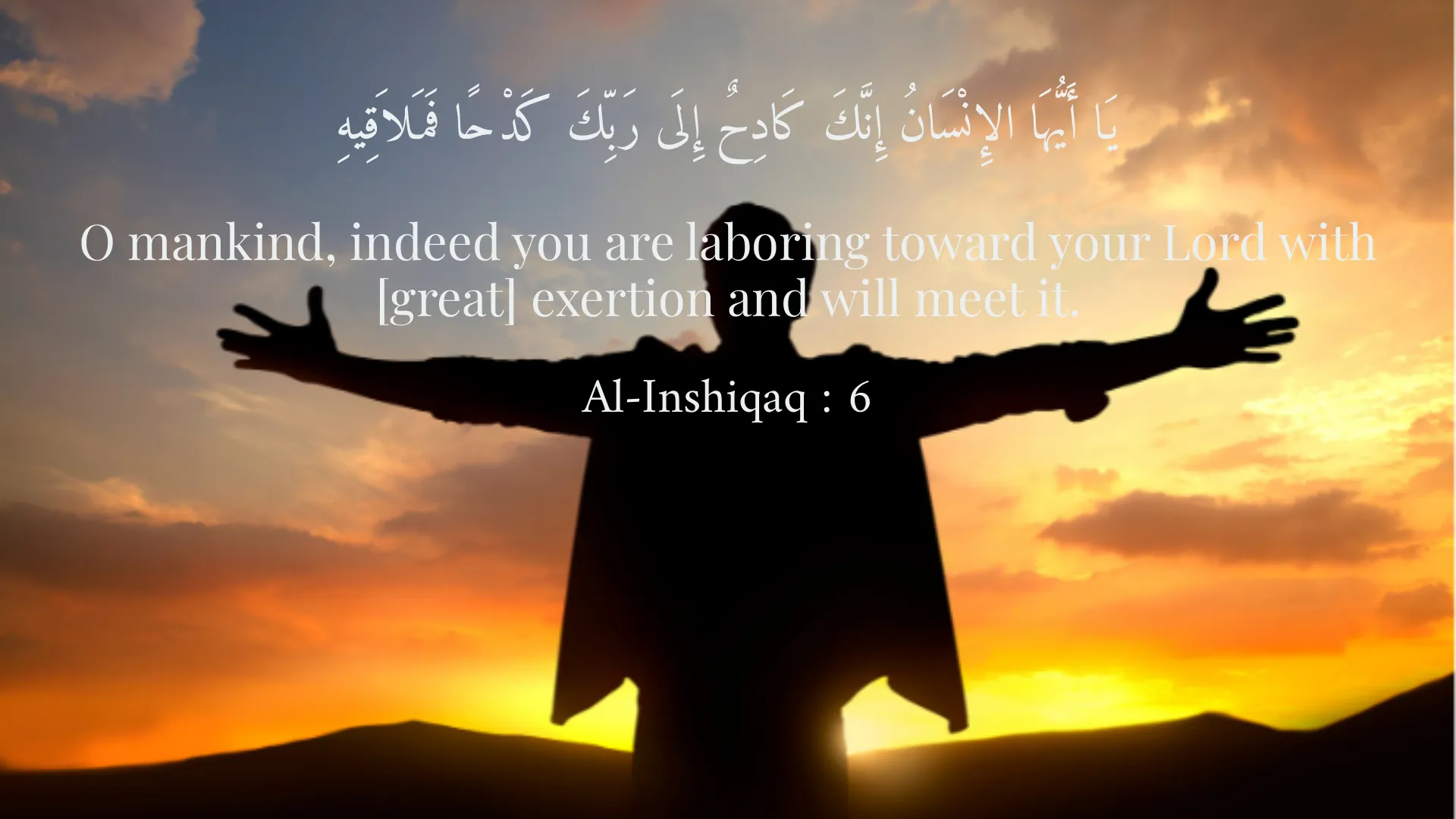
In the grand tapestry of Islamic teachings and practices, the concept of beauty and physical grooming is often overlooked. However, while the Holy Quran does not explicitly delve into the specifics of physical appearance, it provides a framework that indirectly promotes the importance of grooming and cleanliness. The intersections of these teachings play a significant role in Islamic culture, shaping the way Muslims are encouraged to present themselves both before God and society. Through a closer examination of specific Quranic verses and prophetic traditions, one can better understand the holistic approach Islam takes towards beauty and grooming etiquette. At the heart of Islamic teachings lies the profound recognition of the connection between one's inner and outer self. In Surah Al-Inshiqaq, verse 6, Allah mentions: 'O mankind, indeed you are laboring toward your Lord with [great] exertion and will meet it.' This verse serves as a reminder of the journey every individual undertakes in pursuit of faith, fulfillment, and purpose. The emphasis on laboring toward one’s Lord also implies an obligation to present oneself well, reflecting the notion that how one carries themselves is intrinsically tied to their spiritual journey. A well-groomed and clean appearance can be a manifestation of good health, self-respect, and, subsequently, a commitment to one’s faith. Moreover, the teachings of Prophet Muhammad (peace be upon him) further amplify the significance of grooming in a Muslim's life. The Prophet’s life exemplified a dedication to cleanliness and an appreciation for beauty. He reportedly said, “Allah is beautiful and loves beauty.” This profound statement underscores an essential aspect of human nature; an innate desire to strive for beauty and to take care of oneself. It establishes a direct connection between spiritual vitality and physical presentation, suggesting that taking care of one’s physical appearance is not merely a superficial task, but rather a spiritual one, intertwining the themes of beauty, respect, and devotion. In examining Surah 7, verse 31 of the Quran, the directive becomes even clearer: individuals are encouraged to adorn themselves and display their beauty in appropriate situations: "O children of Adam, take your adornment at every masjid and eat and drink, but be not excessive. Indeed, He likes not those who commit excess." This verse serves as a guide emphasizing moderation and appropriateness in every aspect of life, including one’s appearance. The context here underscores that physical grooming is not merely personal; it embodies respect for oneself, for community, and for the gatherings that connect individuals in the faith. It speaks volumes about the importance of presenting oneself well in religious and social gatherings, highlighting the communal aspect of Islamic culture. By being well-groomed during these occasions, individuals demonstrate their respect and regard for the sanctity of the environment and the people they encounter. Furthermore, the cultural expressions within the Muslim world reflect this emphasis on grooming in various forms. From the traditional to the contemporary, Muslims across the globe integrate these teachings into their daily lives, carefully selecting attire, maintaining cleanliness, and practicing grooming habits as part of their expression of faith. Whether it is the proper attire for prayer, attending community events, or even daily interactions, there is an acknowledgment of the role that grooming plays in fostering respect and dignity. The importance of cleanliness is not limited to physical appearance in Islam. It also extends to spiritual cleanliness. In numerous Hadith, the emphasis on maintaining personal hygiene and cleanliness is repeatedly mentioned. From performing ablutions (wudu) for prayer to keeping one’s living space tidy, cleanliness is not only seen as a virtue but as an essential component of faith. The close relationship between physical grooming and spiritual purity offers important insight into the holistic view of the human being within Islamic teachings. Additionally, the encouragement to care for one’s appearance extends to how individuals treat one another. In social contexts, when individuals are mindful of their grooming, it helps foster relationships that are built on respect and understanding. For instance, attending a gathering well-groomed can enhance communication, making interactions more pleasant. It reflects a person’s care and consideration for others in the community, reinforcing the bonds of fellowship and society. Moreover, social gatherings often serve as platforms for collaboration, mentorship, and collective spirituality. In considering the psychological dimensions of grooming and beauty, several studies have indicated that a positive self-image often leads to improved confidence and wellness. In Islam, valuing oneself and striving for beauty can lead to a more productive and fulfilling life. The teachings encourage Muslims to embrace their diversity and unique traits while simultaneously working towards personal improvement. This emphasis on self-care can be viewed as an expression of gratitude towards Allah for the body and life granted to each individual. Ultimately, while the Quran may not explicitly dictate the parameters of physical appearance or grooming, the underlying principles infused throughout its verses — along with the sayings and actions of Prophet Muhammad (peace be upon him) — create a rich tapestry encompassing beauty, cleanliness, and self-respect. These values are integral to a Muslim's personal journey towards their Lord. In conclusion, the teachings found in the Quran, along with the prophetic traditions, underscore the notion that physical grooming and beauty are indeed significant in the life of a Muslim. While it may not be a focal point in religious texts, the implicit emphasis on cleanliness and appearance resonates throughout Islamic culture and philosophy. This holistic view promotes not only respect for oneself and the Creator but fosters a harmonious existence within the community. Embracing these ideals of beauty and grooming serves as both a reflection of one's faith and an essential aspect of daily life, highlighting Islam's nuanced approach to the balance between the inner and outer self.
Related Verses
يَا أَيُّهَا الإِنْسَانُ إِنَّكَ كَادِحٌ إِلَى رَبِّكَ كَدْحًا فَمَلاَقِيهِ
O mankind, indeed you are laboring toward your Lord with [great] exertion and will meet it.
Al-Inshiqaq : 6
يَا بَنِي آدَمَ خُذُوا زِينَتَكُمْ عِندَ كُلِّ مَسْجِدٍ
O children of Adam, take your ornamentation at every place of worship.
Al-A'raf : 31
Short Story
One day, Atifeh was sitting with her friends, and they commented on her well-groomed appearance. With a smile, she told them that she always tries to not only keep her external appearance beautiful but also to keep her inner self pure and clean. Atifeh said to her friends, "Beauty is not just in appearance, but inner peace and kindness are also important." Her friends were inspired by her and decided to pay more attention to their outer and inner beauty.