Quranic Answer
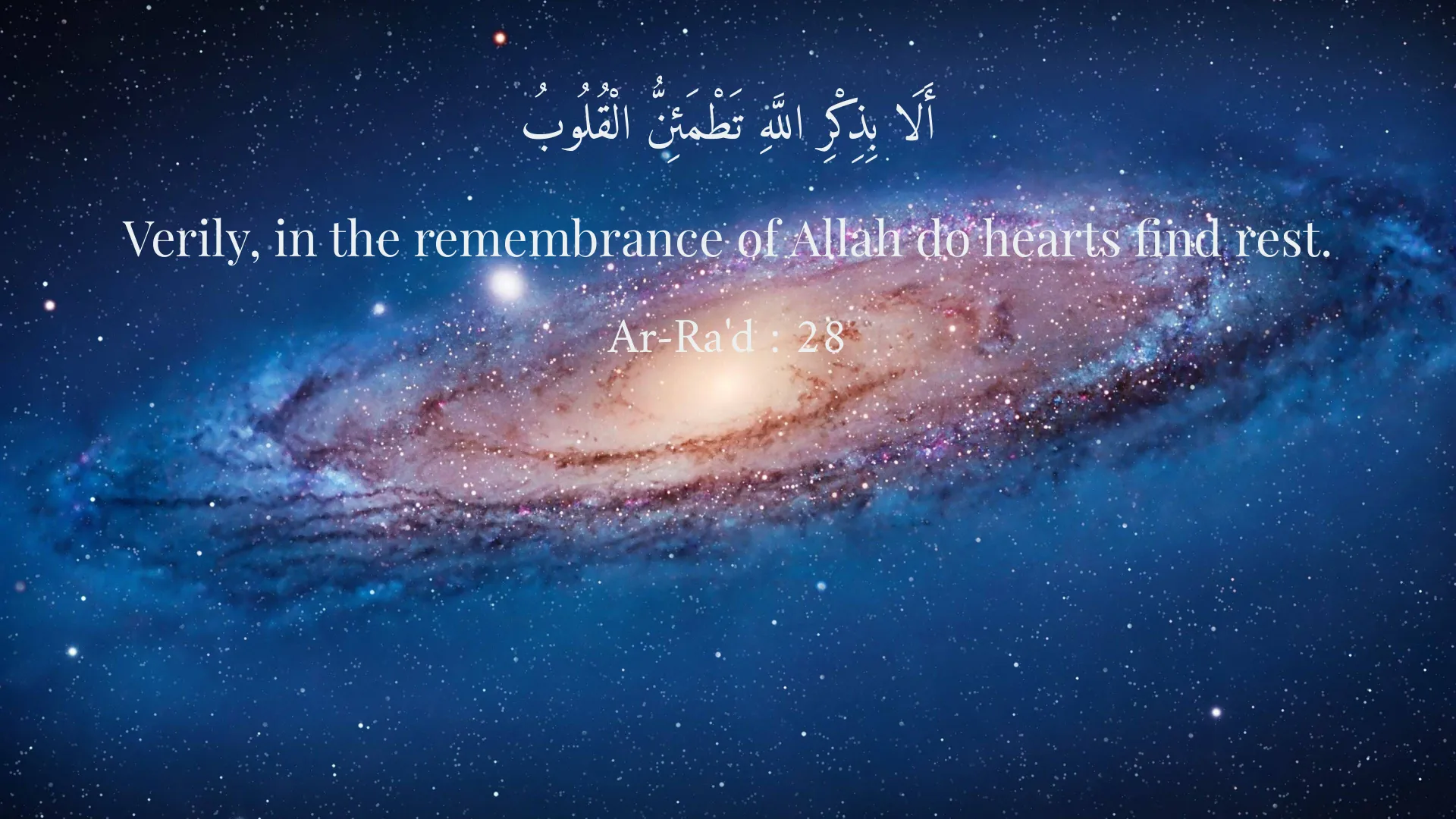
Inner peace, a profound state of mental and emotional tranquility, is one of the essential concepts articulated in the Quran. Through numerous verses, the sacred text conveys the importance of spirituality and its correlation with the human experience of peace and calmness. A quintessential expression of this idea can be found in Surah Ar-Ra'd, verse 28, which states: 'Verily, in the remembrance of Allah do hearts find rest.' This verse poignantly encapsulates the essence of finding inner peace by fostering a connection with the Divine through remembrance and contemplation. The simplicity of the message is profound: engaging in the remembrance of Allah, performing prayers, and reflecting on His attributes can lead an individual towards a serene state of being. The Quran not only emphasizes the significance of remembrance, but it also instructs believers on how to cultivate this remembrance effectively in their lives. In the context of Islamic spirituality, remembrance (Dhikr) encompasses more than simply the recitation of words; it promotes mindfulness and awareness of God’s presence in every moment of life. The act of remembering Allah becomes a conduit through which individuals can resonate with their inner selves, leading to a state of tranquility. This connection suggests that the more one consciously focuses on God, the more profound the peace and comfort they will experience. Moreover, Surah Al-Anfal, verse 2 further fortifies this idea by providing a profound insight into the nature of true believers: 'The believers are only those who, when Allah is mentioned, their hearts become fearful.' This verse implies that an intrinsic quality of faith is the heartfelt response triggered by invoking the name of God. The 'fear' mentioned here is not one of sheer terror, but rather a profound respect and awareness of God's greatness and mercy, leading to a deep sense of calm and stability in the believer's heart. This relationship indicates that true faith fosters inner peace, reinforcing the notion that engaging with God directly correlates to emotional well-being. The teachings of the Quran do not merely stop at the remembrance of Allah, however; they also encompass obedience to His commandments as a source of tranquility. Surah At-Talaq, verse 7 emphasizes the importance of following God’s guidance, stating, 'And let one who is wealthy spend according to his wealth, and whoever is given little that let him spend according to what Allah has given him. Allah does not burden a soul beyond that which it can bear. And when you are aware of Allah, He will make for you a way out.' This verse suggests that by adhering to Allah's regulations and showing piety, one earns the promise of divine assistance and relief from life’s difficulties. This assurance underscores the idea that submitting to God’s will and living according to His guidance not only fosters a sense of trust in His wisdom, but also heralds a multitude of blessings that lead towards inner peace. The underlying principle here is that when an individual acts in accordance with divine teachings, they cultivate an environment wherein fear and anxiety can be replaced with hope and tranquility. The complexities of life become more manageable when one recognizes a guiding force that alleviates burdens and provides sustenance in times of need. Additionally, the Quran guides believers not to seek fulfillment or solace in worldly possessions, as true inner peace comes from spiritual contentment. Surah Al-Hadid, verse 23 states, 'Let not your wealth or your children distract you from the remembrance of Allah. And whoever does that — then those are the losers.' This is a reminder that while material possessions and familial ties hold significance, they should never eclipse the core relationship with God. By prioritizing the spiritual connection over material pursuits, individuals can discover a deeper layer of tranquility that lies within their hearts. Furthermore, the teachings of the Quran offer practical guidance on certain aspects that can enhance one’s journey towards achieving inner peace. The practice of gratitude and patience, as underscored in countless verses, serves to cultivate a positive perspective on life. Surah Ibrahim, verse 7 declares, 'And when your lord proclaimed: "If you give thanks, I will give you more; but if you deny, indeed, My punishment is severe.”' Being grateful triggers a psychological shift towards appreciation rather than lamentation, fostering an environment of peace. Patience, too, is extolled as a virtue – in Surah Al-Baqarah, verse 153 believers are advised: 'O you who have believed, seek help through patience and prayer. Indeed, Allah is with the patient.' This signifies that by developing perseverance in the face of life's challenges, one can attain tranquility through steadfastness and reliance on God. The Quran's comprehensive approach teaches that achieving inner peace is not merely a destination, but rather a journey intertwined with continuous remembrance, faith, good deeds, and resilience. It emphasizes a holistic lifestyle, where mental, emotional, and spiritual dimensions intertwine to create a serene existence. Practicing mindfulness, expressing gratitude, and submitting to divine will becomes a way of life that transforms one’s interactions with the self and the world around them. In conclusion, the Quran profoundly illuminates the pathway to inner peace, urging the faithful to remember and uphold their relationship with Allah. Through sincere remembrance, adherence to divine commandments, gratitude, and patience, believers can cultivate a tranquil heart amidst the turbulence of life. The message conveyed through these verses is timeless – it encourages individuals to consistently seek God, find comfort in their faith, and understand that true peace emanates from a deep-rooted connection with the Divine. Indeed, as the Quran eloquently teaches, inner peace transcends mere absence of conflict; it is the presence of spiritual assurance and harmony in the heart, nurtured through a lifelong commitment to remembrance and piety.
Related Verses
أَلَا بِذِكْرِ اللَّهِ تَطْمَئِنُّ الْقُلُوبُ
Verily, in the remembrance of Allah do hearts find rest.
Ar-Ra'd : 28
إنما المؤمنون الذين إذا ذكر الله وجلت قلوبهم
The believers are only those who, when Allah is mentioned, their hearts become fearful.
Al-Anfal : 2
وَمَن يَتَّقِ اللَّهَ يَجْعَل لَّهُ مَخْرَجًا
And whoever fears Allah - He will make for him a way out.
At-Talaq : 7
Short Story
One day, Bahman, a young man, felt anxious and troubled in his heart. He approached an old man and asked him how to find peace. The elder smiled and said, 'My child, remember God and try to draw closer to Him, for inner peace is found in that relationship.' Bahman decided to read the Quran daily and communicate with God. Gradually, his anxiety lessened, and he found inner serenity.