Quranic Answer
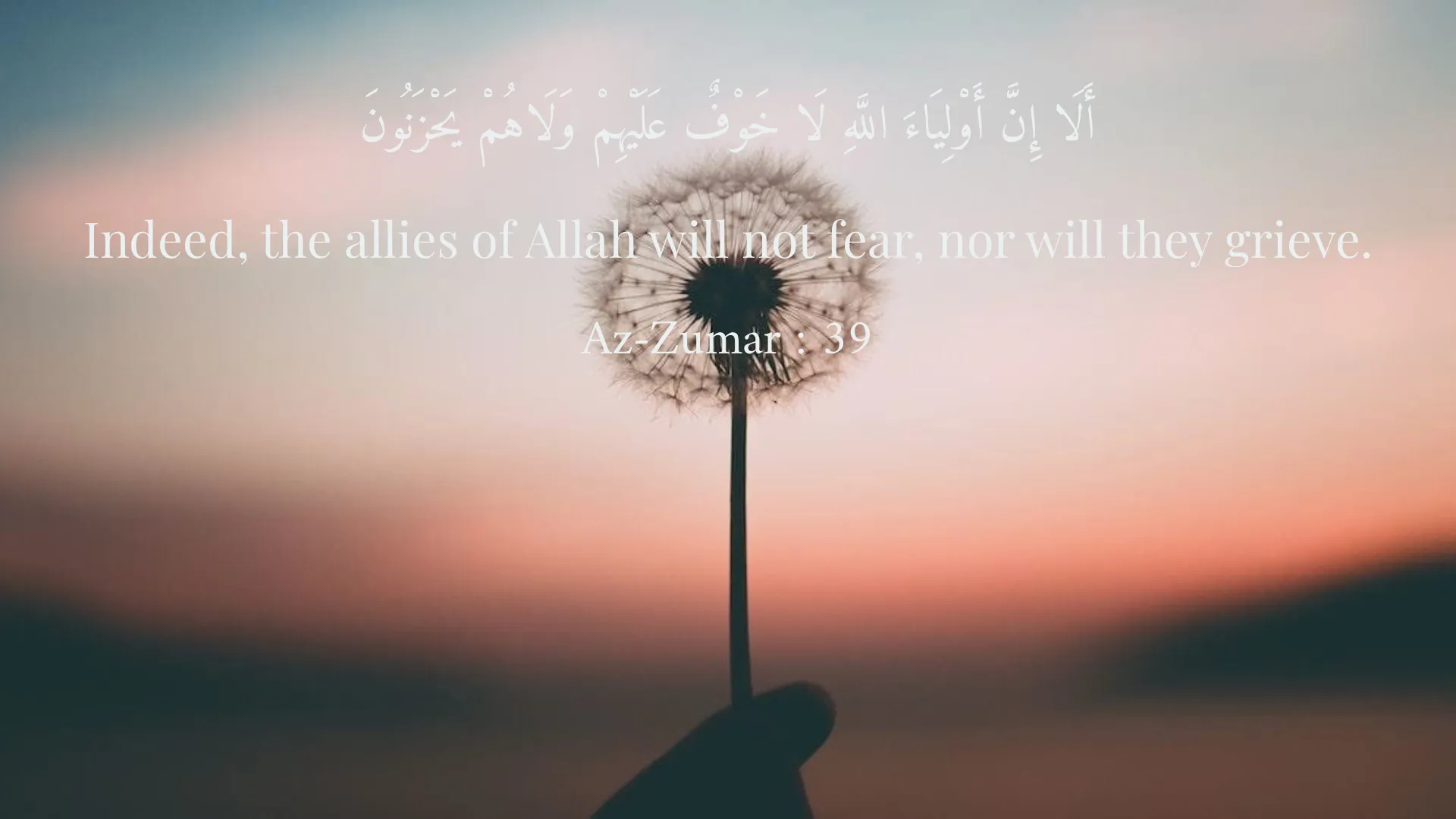
Loneliness is a deeply human experience, affecting individuals from all walks of life. In a rapidly changing world characterized by technology, urbanization, and individualism, feelings of isolation can become overwhelming. This phenomenon is not only a modern issue but has been explored extensively in various religious texts, including the Holy Quran. Within its verses, there are profound insights and timeless wisdom on the subject of loneliness and how to transcend it. This article elaborates on the Quranic perspectives regarding loneliness and provides a comprehensive understanding of how individuals can cope with this emotion through spiritual practices and social engagements. At the core of the Quranic approach to loneliness is the establishment of a deep and meaningful connection with Allah, the Most Exalted. This spiritual relationship offers solace and comfort, a secure refuge amid the turmoil of loneliness. In verse 39 of Surah Az-Zumar, the Quran states: "Indeed, the allies of Allah will not fear, nor will they grieve." This verse encapsulates a powerful message of reassurance. The notion of being an ally of Allah is indicative of a loving and reciprocal relationship, providing a firm foundation from which individuals can derive strength and peace. By turning to Allah in times of solitude, individuals can find a voice and presence that alleviates their feelings of loneliness, reminding them they are not abandoned or forsaken. Furthermore, the Quran promotes a vision of community and collective responsibility, acknowledging the importance of social relationships in combating loneliness. In verse 13 of Surah Al-Hujurat, it states: "Indeed, the most noble of you in the sight of Allah is the most righteous of you." This verse encourages believers to foster healthy relationships based on righteousness and mutual respect. It implies that humanity's worth is gauged not merely by personal achievements but by the quality and integrity of one’s relationships with others and their commitment to God. As such, engaging with others in meaningful ways encourages companionship and diminishes the sentiments of isolation. A community grounded in piety and compassion can provide emotional sustenance and a sense of belonging, essential elements for anyone battling loneliness. Moreover, the Quran advocates for the practice of prayer and supplication as a means of coping with loneliness. In Surah Al-Baqarah, verse 186, Allah reassures humanity by stating: "And when My servants ask you concerning Me, indeed I am near." This verse serves as an affirmation that Allah is always present and accessible, ready to listen and respond to the hearts of His servants. The act of supplication becomes a response to the emotional turmoil of loneliness, helping individuals to articulate their feelings and seek divine support. This connection transforms the feeling of isolation into a bridge toward spiritual intimacy, reinforcing the idea that while one's physical surroundings may seem empty, the spiritual presence of Allah is ever close. Practically speaking, individuals seeking to alleviate loneliness should consider integrating these Quranic principles into their daily lives. First and foremost, establishing a routine of worship can significantly contribute to feeling less isolated. Regular prayers, recitation of the Quran, and engaging in meditative practices foster a sense of peace and connection with the divine, providing a comforting antidote to loneliness. Additionally, dedicating time for reflection and gratitude can help individuals refocus on positive aspects of life and cultivate a mindset less prone to feelings of despair. Building community ties is another essential aspect. People should strive to connect with others in meaningful ways, perhaps through local mosques, community events, or support groups that resonate with their values and interests. Social gatherings based on shared beliefs can create a nurturing environment where individuals feel supported and valued, quelling feelings of alienation. Volunteering for charitable causes is also a remarkable way to engage with the community while fostering connections with fellow believers. Helping those in need not only strengthens communal bonds but also provides a sense of purpose and belonging, further diminishing feelings of isolation. Additionally, open communication with friends and family is paramount. Sharing one's feelings of loneliness with trusted loved ones can create a supportive network. Often, loneliness thrives in silence, but articulating these feelings can alleviate their weight and foster understanding. People should not hesitate to reach out, ask for help, and express their emotions, as doing so can strengthen relationships and encourage others to share their similar experiences. Lastly, one must remember that coping with loneliness is a continuous journey. Just as individuals sometimes feel distant from loved ones, there might be moments where they struggle to connect with Allah as well. It's crucial not to be hard on oneself during these times. Instead, understand that spiritual and emotional growth is an ongoing process, one that requires patience and practice. In conclusion, the Holy Quran addresses the phenomenon of loneliness with compassion and wisdom, offering various paths for individuals to navigate this universal challenge. Establishing a profound connection with Allah, fostering righteous relationships, engaging in prayer, community involvement, and open communication are all effective means of coping with loneliness. By touching upon these religious teachings and practical applications, individuals can transform their experiences of isolation into pathways towards a enriched spiritual connection and strong social bonds. Ultimately, they will discover that they are never truly alone, for both Allah and community await with open arms to embrace them on their journey toward emotional and spiritual fulfillment.
Related Verses
أَلَا إِنَّ أَوْلِيَاءَ اللَّهِ لَا خَوْفٌ عَلَيْهِمْ وَلَاهُمْ يَحْزَنُونَ
Indeed, the allies of Allah will not fear, nor will they grieve.
Az-Zumar : 39
إِنَّ أَكْرَمَكُمْ عِندَ اللَّهِ أَتْقَاكُمْ
Indeed, the most noble of you in the sight of Allah is the most righteous of you.
Al-Hujurat : 13
وَإِذَا سَأَلَكَ عِبَادِي عَنِّي فَإِنِّي قَرِيبٌ
And when My servants ask you concerning Me, indeed I am near.
Al-Baqarah : 186
Short Story
One day, Sara was feeling sad due to her loneliness. She was sitting with her friends, yet she couldn't find any satisfaction. Remembering the verses of the Quran, she realized that she could find greater peace by praying and getting closer to Allah. Sara decided to dedicate some time each day for supplication and prayer. After a while, she felt that her loneliness had lessened and she had established a deeper connection with both Allah and her surroundings.