Quranic Answer
The Holy Quran, revered as the ultimate source of guidance for Muslims, addresses numerous aspects of human existence, including emotions, struggles, and the path to spiritual and mental well-being. Although it does not explicitly mention terms related to modern psychological conditions such as depression and despondency, the Quran provides profound wisdom and insights that can be applied to combat these states of mind. Central to the Quran's message is the invitation to patience, gratitude, and reliance on God, underscoring the importance of these attributes in navigating life’s adversities. One significant verse that offers comfort and guidance is found in Surah Al-Baqarah, verse 153. Here, Allah states, "O you who have believed, seek help through patience and prayer. Indeed, Allah is with the patient." This verse highlights that during challenging times, individuals are encouraged to turn to two fundamental pillars: patience and prayer. Patience is often defined as the ability to endure difficult circumstances without losing hope. It serves as a reminder that life is filled with trials and tests, but maintaining calmness and faith amidst these challenges is essential. The act of prayer is another powerful tool, as it allows believers to connect with God, articulate their struggles, and seek divine assistance. This combination of patience and prayer can significantly alleviate feelings of despair and helplessness, instilling a sense of peace and resilience. Moreover, verse 286 of the same surah reinforces this sentiment: "Allah does not burden a soul beyond that it can bear." This verse speaks volumes to those grappling with feelings of being overwhelmed or depressed. It suggests that every individual has their own capacity to endure hardship and that the trials they face are within manageable limits. This concept acts as a beacon of hope, conveying that struggles are not insurmountable and that Allah, in His infinite wisdom, ensures that nothing is placed upon a person that they cannot handle. This message encourages individuals to believe in their strength and capabilities, nurturing a sense of empowerment and promoting emotional health. Another essential aspect addressed in the Quran is the importance of self-awareness and reflection. In Surah Ar-Rahman, verse 13, Allah poses a rhetorical question: "So which of the favors of your Lord would you deny?" This verse is profound because it calls upon believers to reflect on their blessings, fostering an attitude of gratitude and appreciation. Engaging in gratitude can serve as a powerful antidote to depressive thoughts. It invites individuals to shift their focus from their current struggles to the abundance of positive aspects in their lives, whether big or small. This awareness can elevate one’s mood and diminish feelings of isolation and despair. Furthermore, the Quran encourages believers to remember that they are not alone in their struggles. The notion that Allah is always by their side during tough times provides comfort and reinforcement to individuals feeling despondent. This assurance serves as a powerful motivator, reminding them that they are being supported through their trials. The connection between an individual and the Divine can enhance resilience, foster hope, and uplift the human spirit, reinforcing the understanding that there is always a source of strength available. Compassion and connection with others also play a crucial role in maintaining emotional well-being, as emphasized throughout the Quran. Allah encourages believers to interact positively with those around them, leading to a kindness that can uplift not only oneself but also the broader community. Acts of kindness, charity, and engagement with others can create a supportive network that alleviates loneliness and investment in positive relationships can have a profound impact on mental health. Community support can provide the encouragement and motivation needed during challenging times, helping individuals feel more connected and valued. To further understand the Quran's perspective on mental health, it is important to explore the concept of reliance on Allah (Tawakkul). This concept emphasizes trust in God's plan and has the potential to dissolve anxiety. A believer who embodies Tawakkul understands that while striving for improvement in their circumstances is necessary, they must also trust in Allah's wisdom and timing. This dual approach of using one’s agency while submitting to Allah's will can bring about a sense of serenity, encouraging individuals to cope better with feelings of hopelessness and despair. In conclusion, while the Holy Quran does not address depression and despondency in explicit terms, its teachings provide essential guidance for those grappling with these emotions. The emphasis on patience, prayer, gratitude, self-awareness, and community support offers a holistic framework for healing and resistance against despair. By fostering a deep connection with Allah, maintaining an attitude of gratitude and patience, and engaging with others positively, individuals can cultivate resilience in their lives. Thus, the Quran serves as a comprehensive guide, inspiring a path towards emotional and spiritual well-being that can be applied to the modern world's challenges. The wisdom contained within its verses continues to resonate, reminding believers of the potential for joy, hope, and recovery in the face of adversity.
Related Verses
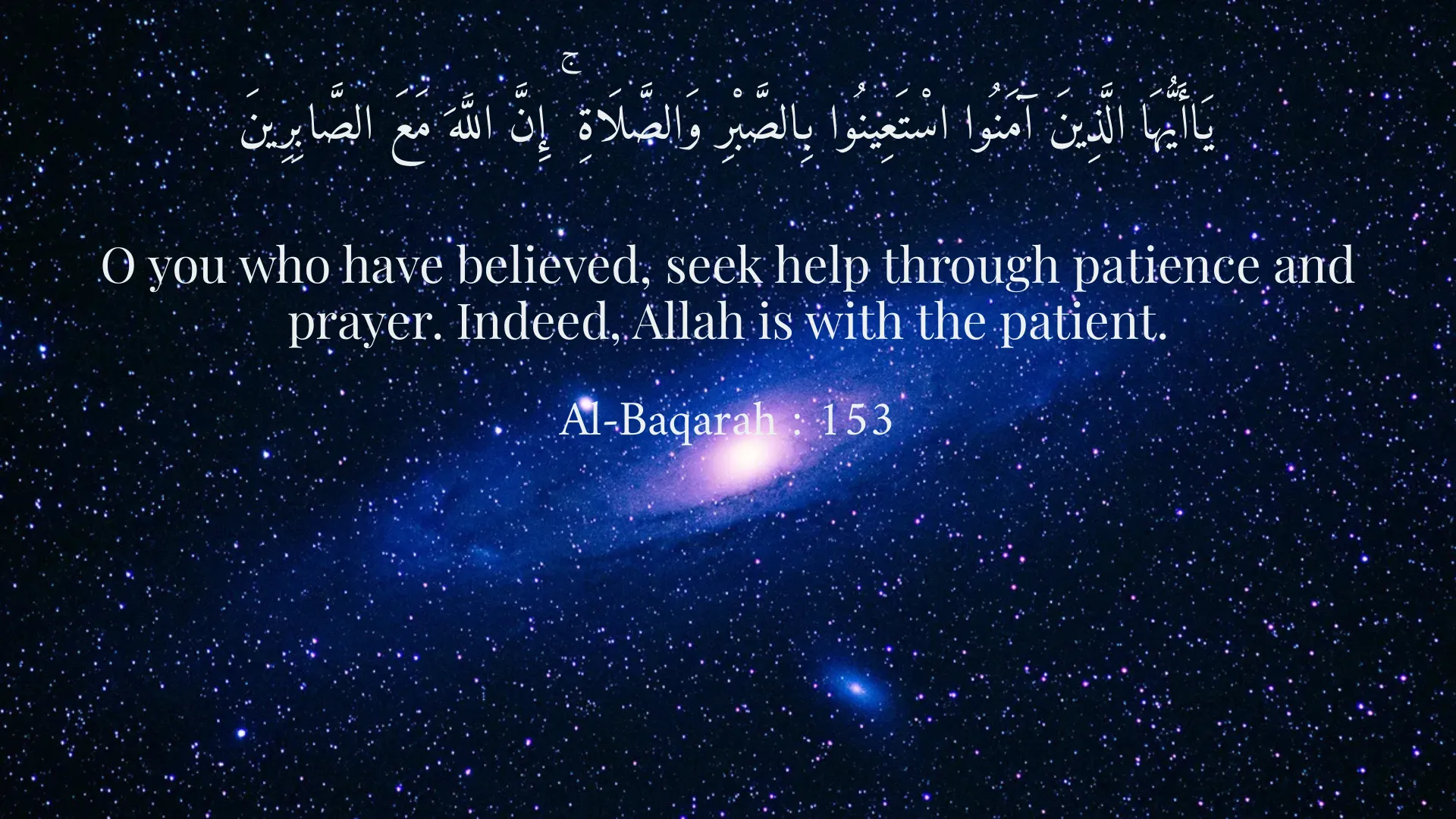
يَاأَيُّهَا الَّذِينَ آمَنُوا اسْتَعِينُوا بِالصَّبْرِ وَالصَّلَاةِ ۚ إِنَّ اللَّهَ مَعَ الصَّابِرِينَ
O you who have believed, seek help through patience and prayer. Indeed, Allah is with the patient.
Al-Baqarah : 153
لَا يُكَلِّفُ اللَّهُ نَفْسًا إِلَّا وُسْعَهَا ۚ لَهَا مَا كَسَبَتْ وَعَلَيْهَا مَا اكْتَسَبَتْ ۗ رَبَّنَا لَا تُؤَاخِذْنَا إِن نَّسِينَا أَوْ أَخْطَأْنَا ۚ رَبَّنَا وَلَا تَحْمِلْ عَلَيْنَا إِصْرًا كَمَا حَمَلْتَهُ عَلَى الَّذِينَ مِن قَبْلِنَا
Allah does not burden a soul beyond its capacity. It will have [the consequence of] what [good] it has gained, and it will bear [the consequence of] what it has earned. Our Lord, do not impose upon us a burden like that which You imposed upon those before us.
Al-Baqarah : 286
فَبِأَيِّ آلَاءِ رَبِّكُمَا تُكَذِّبَانِ
So which of the favors of your Lord would you deny?
Ar-Rahman : 13
Short Story
One day, Tahmineh, a kind and young girl, was troubled by the worries of her life. She often turned to the Quran to seek solace. One day, a verse from Surah Al-Baqarah caught her attention, saying, 'O you who have believed, seek help through patience and prayer.' This verse reminded her of the importance of patience and gratitude. Tahmineh decided to reflect on her life's blessings and be grateful for them every day. Gradually, she felt better and could combat her negative thoughts.