Quranic Answer
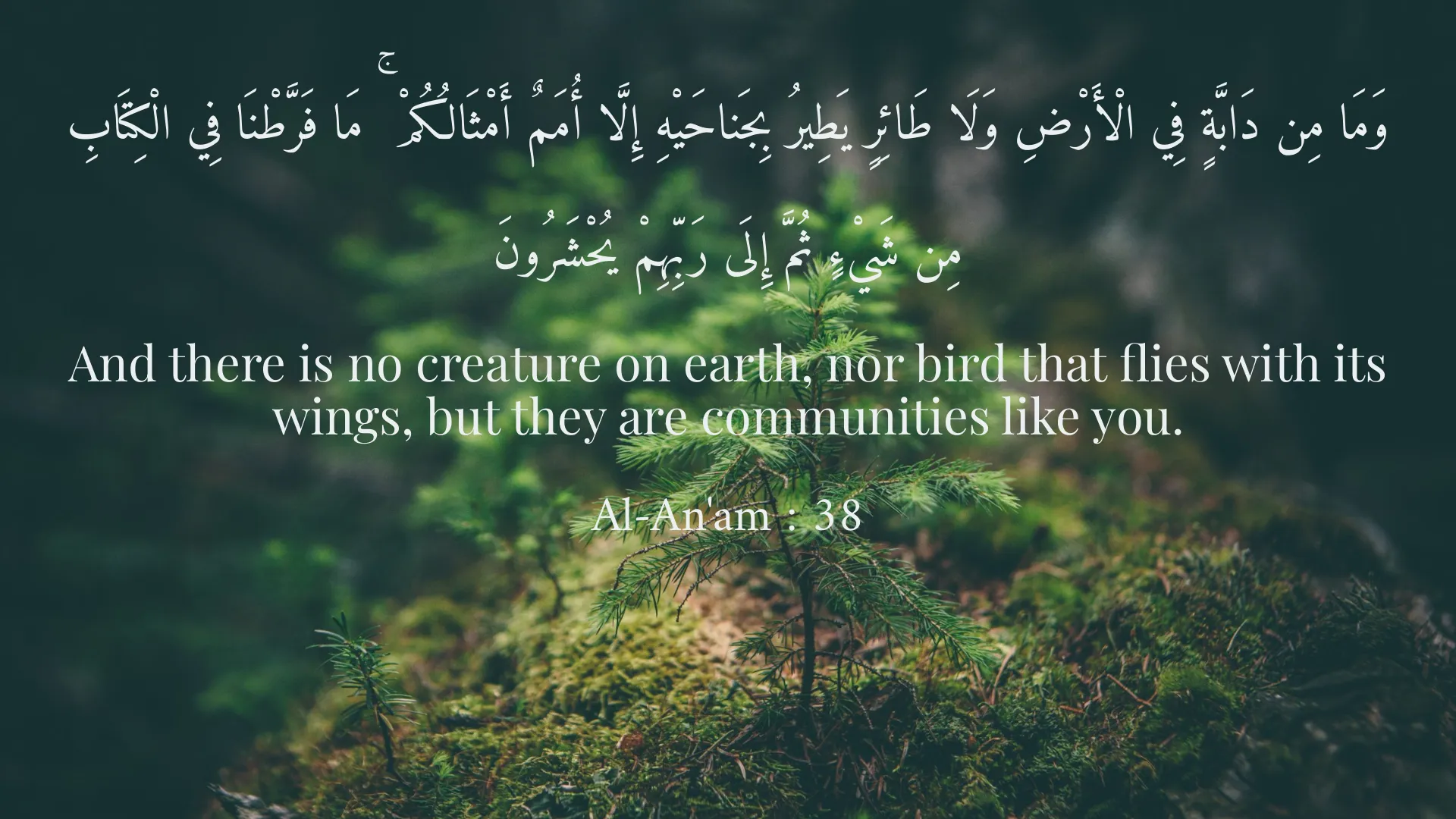
The Holy Quran, revered as the word of God by Muslims, offers profound insights and guidance on various aspects of life, encompassing moral principles, social justice, and individual conduct. Though it may not explicitly devote entire chapters to environmental protection, it inherently addresses crucial themes that lay the foundation for a robust understanding of environmental stewardship. In an age where the importance of preserving our planet has reached unprecedented levels, exploring the Quranic context concerning environmental consciousness serves as a vital endeavor. ### The Interconnectedness of Creation One of the fundamental principles highlighted in the Quran is the interconnectedness of all living beings. For instance, in Surah Al-An'am (6:38), Allah states, "And there is no creature on earth, nor bird that flies with its wings, but they are communities like you." This verse draws attention to the idea that all creatures—be they animals, plants, or humans—are part of a larger ecological system, each with its own roles and functions. This notion resonates deeply in today’s environmental discourse, where the emphasis on biodiversity and ecosystem balance is paramount. Recognizing that every creature contributes to the cosmic order compels humanity to act with responsibility and care towards the environment. In this light, neglecting or harming any part of this intricate web of life can have far-reaching consequences, ultimately jeopardizing the entire system, including human existence. The Quran thus calls upon us to appreciate our role within this ecosystem and act as diligent custodians. ### Humanity’s Role as Stewards In Surah Al-Baqarah (2:30), Allah proclaims, "Indeed, I will make upon the earth a successive authority," a verse that underscores humanity's responsibility in nurturing and safeguarding the land and its inhabitants. This divine decree positions humans as stewards or vicegerents (khalifah) of the Earth, suggesting a profound obligation to maintain the balance and harmony that God has established in nature. The term "successive authority" indicates that this responsibility is not merely a privilege but a trust that requires accountability. As stewards, individuals are expected to manage resources wisely, ensuring that the natural environment is preserved for future generations. Thus, neglecting environmental preservation equates to failing in this divine assignment. Acting sustainably, therefore, transcends personal benefit and aligns with a higher moral and spiritual purpose, reminding us that we are part of something far greater than our immediate desires. ### The Blessings of Allah and Preservation The Quran also implores believers to recognize the blessings bestowed upon them, including water, trees, and air. The various verses discussing creation underscore the notion that these elements are gifts from God that demand respect and protection. For example, water is repeatedly mentioned as a source of life, emphasizing its indispensable role in sustaining both ecosystems and humanity. Preserving such blessings can be seen as an act of worship, aligning oneself with divine commands. It is a reflection of gratitude towards God for providing sustenance and the resources necessary for a fulfilling life. In this regard, causing harm to natural resources not only compromises the ecological balance but is also viewed as an act of ingratitude. The Quran urges believers to cherish and protect the environment as a manifestation of spiritual obedience and respect for divine gifts. ### The Harmony of Nature In Surah Ar-Rahman (55:7), Allah notes, "And the trees and the plants are in harmony with each other," a verse that elucidates the notion of balance within nature. This harmony signifies that all elements of the environment interact with one another, forming an intricate tapestry of life. The Quran emphasizes that humans must seek to promote and protect this ecological equilibrium rather than disrupt it. Nature operates according to divine laws that maintain this balance, and humanity’s encroachment can lead to devastating consequences, such as climate change, deforestation, and loss of biodiversity. These issues reflect a disregard for the delicate interdependence that has been established by God. Hence, the Quran’s portrayal of nature as harmonious serves as a reminder of the need for conservation, sustainable practices, and respect for the natural world. ### Ethical Implications on Environmental Practices The principles derived from the Quran can influence current environmental practices. Firstly, the recognition of the interconnectedness of life can foster a sense of responsibility towards protecting endangered species and preserving habitats. Understandably, in a world driven by commercial interests, many species face extinction and ecosystems are threatened. The Quran’s teachings urge society to adopt practices that prioritize environmental well-being over short-term gains, advocating for a more ethical approach to consumption and production. Secondly, the call to stewardship encourages individuals and communities to engage in sustainable practices, such as reducing waste, conserving water, protecting forests, and promoting alternative energy sources. As Muslims adhere to the precepts of their faith, integrating these teachings into practical measures can yield significant benefits for the planet and society at large. Lastly, the Quran’s emphasis on gratitude for divine blessings may inspire a cultural shift, where individuals view environmental conservation as part of their spiritual commitment. By cultivating an attitude of appreciation and care for God’s creation, communities can foster a collective sense of duty towards the environment, inevitably leading to more active participation in conservation efforts. ### Conclusion In conclusion, while the Holy Quran may not explicitly address environmental protection in the contemporary sense, it lays the groundwork for understanding humanity's relationship with nature. The themes of interconnectedness, stewardship, gratitude, and harmony echo throughout the Quranic text, collectively urging believers to recognize their profound responsibility towards the environment. As we grapple with escalating environmental challenges in today's world, reaffirming our commitment to these teachings can pave the way for a more sustainable and respectful cohabitation with all of God's creations. The Quran calls upon us not only to reflect on our actions but to actively engage in preserving the beautiful creation that surrounds us, ensuring that we protect and cherish the myriad forms of life that contribute to the richness of our planet.
Related Verses
وَمَا مِن دَابَّةٍ فِي الْأَرْضِ وَلَا طَائِرٍ يَطِيرُ بِجَناحَيْهِ إِلَّا أُمَمٌ أَمْثَالُكُمْ ۚ مَا فَرَّطْنَا فِي الْكِتَابِ مِن شَيْءٍ ثُمَّ إِلَى رَبِّهِمْ يُحْشَرُونَ
And there is no creature on earth, nor bird that flies with its wings, but they are communities like you.
Al-An'am : 38
وَإِذْ قَالَ رَبُّكَ لِلْمَلَائِكَةِ إِنِّي جَاعِلٌ فِي الْأَرْضِ خَلِيفَةً ۖ قَالُوا أَتَجْعَلُ فِيهَا مَن يُفْسِدُ فِيهَا وَيَسْفِكُ الدِّمَاءَ ۖ وَنَحْنُ نُسَبِّحُ بِحَمْدِكَ وَنُقَدِّسُ لَكَ ۖ قَالَ إِنِّي أَعْلَمُ مَا لَا تَعْلَمُونَ
And when your Lord said to the angels, 'Indeed, I will make upon the earth a successive authority.'
Al-Baqarah : 30
وَالنَّخْلَ وَالشَّجَرَ يَسْجُدَانِ
And the trees and the plants are in harmony with each other.
Ar-Rahman : 7
Short Story
One day, a man named Hossein decided to plant a garden for himself. He carefully planted fruit trees and took care of them. Every morning, he would lovingly tend to his garden and water the plants. Hossein realized how much nurturing the environment and how one relates to it can change his life. His garden soon bloomed, and the fruits had a delightful taste. He understood that preserving and caring for nature is not just a duty but a great blessing.