Quranic Answer
In the Quran, the discussion of feelings of guilt is an intricate and multifaceted topic that is treated both explicitly and implicitly. The verses of the Quran hold profound wisdom on the nature of human fallibility and the consequences of sin, as well as offering guidance on how to navigate the complex emotions arising from wrongdoing. Central to this discourse are themes of repentance, forgiveness, and the compassionate nature of Allah towards His creation. Through an exploration of these concepts, we see how the Quran addresses the innate human experience of guilt and provides solutions that lead individuals back to righteousness. One of the cornerstone principles established in the Quran is the understanding that all human beings are susceptible to sin. Throughout various verses, Allah reminds His servants that no one can claim an exemption from this universal condition. This idea is profoundly illustrated in Surah Al-Baqarah, verse 286, which states: 'Allah does not burden a soul beyond that it can bear.' This verse serves as a poignant reminder that life is a journey marked by trials, errors, and, inevitably, moments of moral failing. It reassures believers that while they may succumb to sin, these transgressions serve as opportunities for growth and spiritual reflection. The emotion of guilt operates as an internal compass, urging individuals to recognize their shortcomings and prompting a longing for redemption. In essence, guilt compels us to confront our actions and encourages us to seek improvement. This is where the Quran provides a generous pathway: the invitation to repent and return to Allah. Surah At-Tahrim, verse 8 poignantly encapsulates this dynamic, stating: 'O you who have believed, repent to Allah with sincere repentance.' This verse highlights the active role that individuals must take in the process of reconciliation with their Creator. The notion of sincere repentance signifies a deep, heartfelt commitment to amend one's ways, which is essential for healing the soul's rift caused by guilt. Repentance in the Quran is not merely a ritualistic act but a profound transformation of heart and intention. It involves genuine remorse for one's actions, a sincere desire to change, and the commitment to avoid repeating the sin. This process of turning back to Allah acts as a source of solace for the believer, indicating that no matter how far one may stray, there is always a path leading back to divine mercy. Through the framework of repentance, believers are assured that they can alleviate their feelings of guilt and reestablish their connection with Allah. The feeling of guilt is intricately tied to the concept of morality and conscience. Within the Quranic perspective, these emotions are not seen as burdens but rather as vital indicators of a soul that possesses awareness and an understanding of right and wrong. The Quran emphasizes the importance of nurturing one’s morality by encouraging believers to engage in self-reflection and ethical contemplation. By doing so, they cultivate a consciousness of accountability, which further acts as a deterrent against the recurrence of sinful behavior. In this regard, the Quran provides a moral framework that supports individuals in overcoming feelings of guilt through self-improvement and ethical living. An important aspect of the Quran's discourse on guilt and repentance is the aspect of communal responsibility. The Quran teaches that individuals do not exist in isolation, and their actions can have a significant impact on others. This collective consciousness serves to heighten one’s sense of responsibility, urging believers to consider the repercussions of their actions not just on themselves, but also on the larger community. In acknowledging this interconnectedness, the Quran guides believers towards engaging in acts of kindness and social justice, thereby mitigating feelings of guilt through positive contributions to society. Moreover, the Quran outlines the concept of forgiveness—both divine and interpersonal. Believers are instructed to seek forgiveness from Allah and, in turn, embody that same spirit of forgiveness towards others. This reciprocal relationship reinforces the idea that healing from guilt is not just an individual endeavor but involves fostering harmony and understanding within the community. The act of forgiving others can also serve as a mechanism for alleviating one's guilt, transforming negative emotions into empathy and connection. In summary, the exploration of feelings of guilt in the Quran is rich in depth and nuance. The divine text acknowledges that all human beings are prone to error, offering solace through the promise of repentance and the possibility of returning to righteousness. Guilt, rather than being a source of despair, is portrayed as a guiding force that encourages individuals to confront their shortcomings and seek redemption. Through sincere repentance, ethical conduct, communal responsibility, and the act of forgiveness, the Quran provides a holistic approach to managing feelings of guilt while fostering a closer relationship with Allah. In a world increasingly challenged by moral ambiguity and ethical dilemmas, the teachings of the Quran regarding guilt and repentance remain relevant and transformative. They challenge individuals to reflect on their actions and seek meaningful connections with themselves, others, and Allah, ultimately leading to a cycle of continuous personal and spiritual growth.
Related Verses
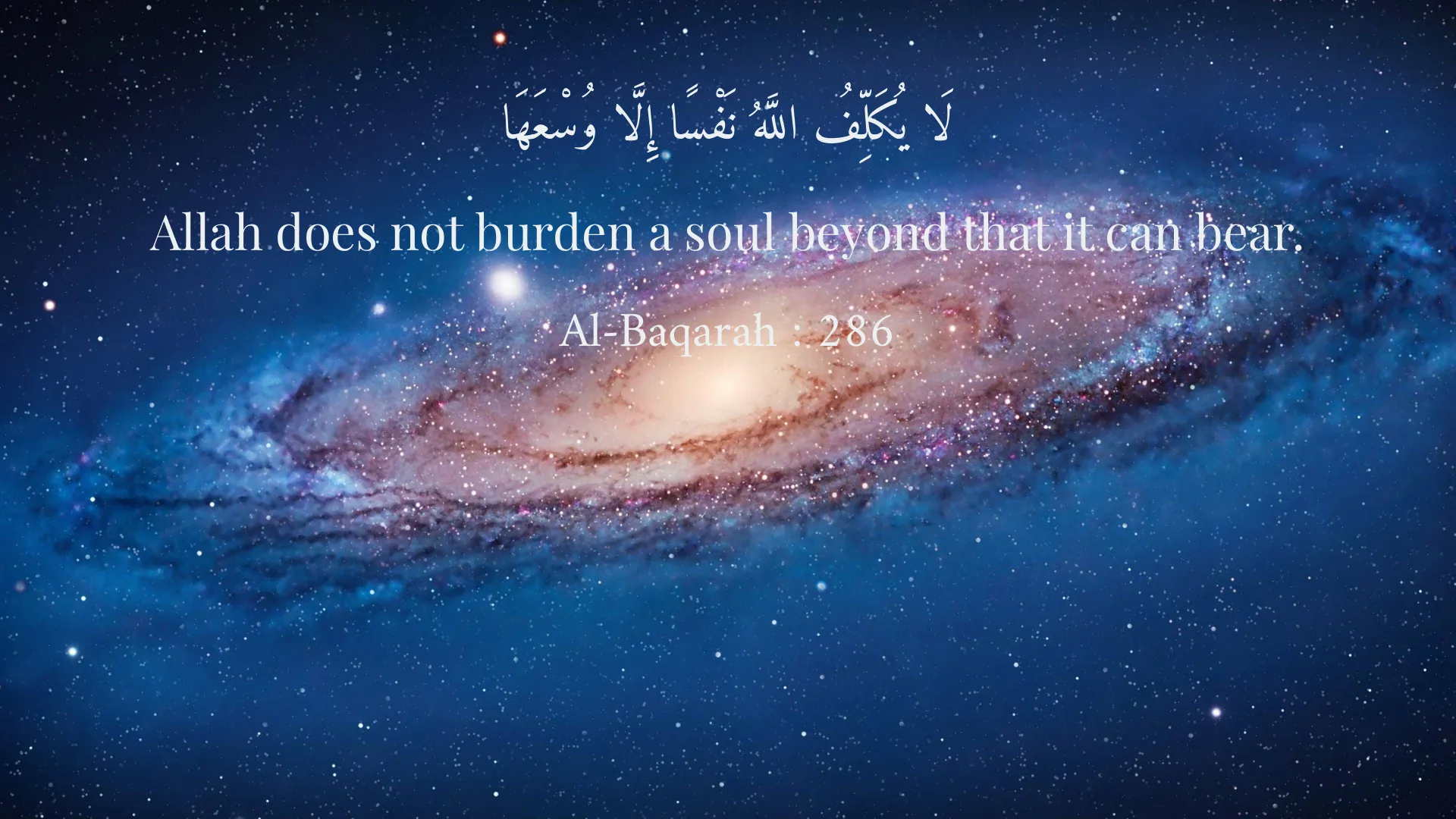
لَا يُكَلِّفُ اللَّهُ نَفْسًا إِلَّا وُسْعَهَا
Allah does not burden a soul beyond that it can bear.
Al-Baqarah : 286
يَا أَيُّهَا الَّذِينَ آمَنُوا تُوبُوا إِلَى اللَّهِ تَوْبَةً نَّصُوحًا
O you who have believed, repent to Allah with sincere repentance.
At-Tahrim : 8
Short Story
One day, a young man named Ali felt a heavy weight of guilt in his heart. One night, he prayed and said to God: 'O Lord, I regret my actions.' The next morning, he learned from his friends that Allah has abundant mercies and that he should return to Him. Remembering the verses of the Quran, Ali decided to pray and repent for his sins. From that day, his life changed completely, and he felt a greater sense of lightness and peace.