Quranic Answer
The Holy Quran serves as both a divine guide and a profound source of wisdom for humanity, communicating essential truths that resonate throughout time. One of the recurrent themes found within its verses is the admonition against heedlessness and negligence regarding divine signs and reminders from God. In today’s fast-paced world, where distractions abound and the rush of daily life often overshadows spiritual reflection, these teachings are perhaps more relevant than ever. This article delves into the significance of being mindful of divine messages as articulated in the Quran and cautions against the perils of neglecting these reminders. One of the pivotal verses that encapsulates this message is found in Surah Aal-E-Imran, verse 191, where Allah states: "Indeed, in the creation of the heavens and the earth and the alternation of the night and the day are signs for those of understanding." This verse eloquently expresses the notion that the natural world, in all its grandeur and complexity, is replete with signs that beckon for contemplation. The vastness of the heavens, the intricacies of the earth, and the rhythmic cycle of day and night collectively serve as an eloquent reminder of the Creator’s wisdom and power. The emphasis on reflection highlights the Quran's call for humanity to engage in a deeper acknowledgment of their environment and, by extension, their existence. This reflects a profound aspect of human integrity: the ability to recognize one's place in the cosmos. Failure to heed these signs—whether through distraction or neglect—can lead individuals away from the mercy and guidance of God. Indeed, the Quran underscores that the universe itself is alive with messages from the Creator, reinforcing the belief that awareness of such signs is a tool for spiritual awakening and growth. Furthermore, the Quran elucidates the dire consequences of heedlessness in several places. For instance, in Surah Al-Mu'minun, verses 54 and 55, Allah warns, "So taste [the punishment] for what you forgot the meeting of this Day of Yours. Indeed, We have forgotten you." The encapsulation of this warning speaks volumes about the intrinsic relationship between neglecting divine reminders and the repercussions that follow. The distinction between choice and consequence is made stark here, suggesting that people may find themselves confronting challenges and adversities, not only in this world but manifesting possibly in the Hereafter as well. For the believer, the Day of Judgment is a significant event that underscores accountability for one’s actions. Neglecting the signs and failings to remember God leads to a false sense of security that can ultimately result in dire consequences. The phrase "We have forgotten you" elucidates the gravity of rejection. It serves as a reminder that divine mercy can be withdrawn in response to human neglect. The Quran further illustrates the negative ramifications of negligence on both individuals and society. Surah Yunus, verse 100 states: "And do not be like those who forgot Allah, so He made them forget themselves." This verse contains profound insights, suggesting that forgetting God can lead to losing oneself. The idea is that our spiritual identity and sense of purpose are intimately connected to our relationship with the Divine. When individuals overlook God, it results in a profound identity crisis—one that generates internal confusion and chaos. This condition is further perpetuated by modern societal factors, such as materialism and consumer culture, which often leads to an internal fragmentation of self. Engaging with the divine through remembrance cultivates self-awareness, purpose, and a sense of belonging that transcends worldly distractions. The overarching message of the Quran regarding heedlessness emphasizes the necessity of awareness and remembrance in human life. By continually reflecting on the signs placed before us, individuals can foster a fruitful relationship with God, thereby reaping the constructive effects of remembering Him. In maintaining a consistent connection with God through prayer, contemplation, and acknowledgment of His signs, individuals can cultivate inner peace and guidance. Spiritual nourishment becomes imperative, acting as a refuge from the complexities and chaotic demands of life, enabling individuals to navigate through adversity with faith and resilience. In conclusion, the paradigm of heedlessness and the warnings encapsulated within the Quran presents a timeless reflection beckoning for a return to mindfulness and awareness. As humans navigate through an increasingly fast-paced and distracting reality, the teachings of the Quran urge us not to lose sight of our spiritual bearings. Instead of being led into forgetfulness, we must strive to embrace the divine signs that surround us—imparting wisdom, identity, and hope in our journeys of life. This profound call resonates in each of us, encouraging a return to remembrance that ultimately leads to the universal truths of mercy, guidance, and self-awareness.
Related Verses
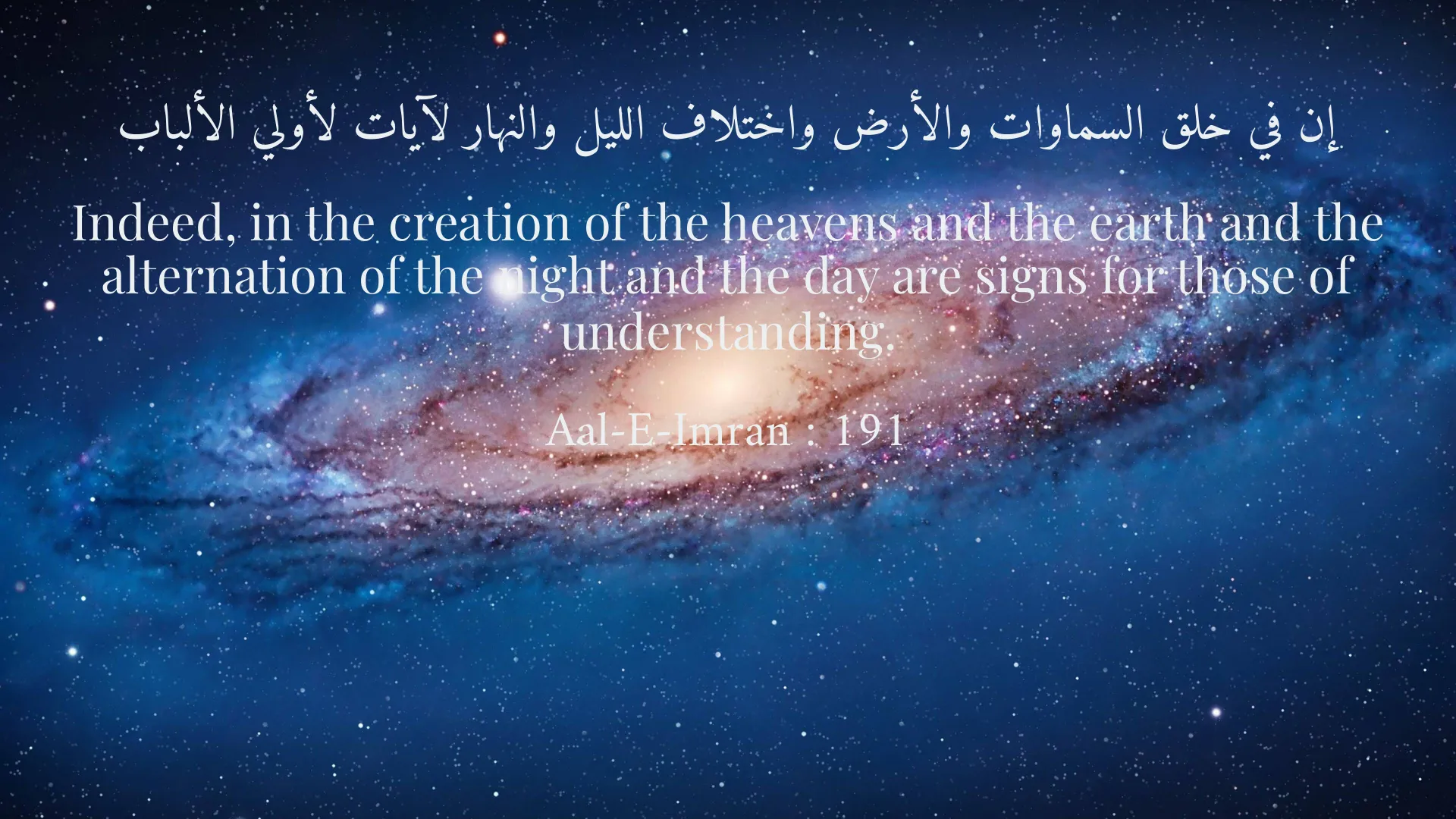
إن في خلق السماوات والأرض واختلاف الليل والنهار لآيات لأولي الألباب
Indeed, in the creation of the heavens and the earth and the alternation of the night and the day are signs for those of understanding.
Aal-E-Imran : 191
فذوقوا بما نسيتم لقاء يومكم هذا إنّا أنسيناكم
So taste [the punishment] for what you forgot the meeting of this Day of Yours. Indeed, We have forgotten you.
Al-Mu'minun : 54
ولا تكونوا مثل الذين نسوا الله فأنساهم أنفسهم
And do not be like those who forgot Allah, so He made them forget themselves.
Yunus : 100
Short Story
Once, there was a middle-aged man named Soroush. Soroush had become so immersed in work and the world that he was heedless of God. One day, while walking in the park, he met a child who was playing. The child asked him, "Sir, do you know why we are here in this world?" Soroush was taken aback and remembered the verses of the Quran. He replied to the child, "To remember God and do good deeds!" After this conversation, Soroush decided to dedicate some time each day to remember God, and in doing so, he found joy and greater peace in life.