Quranic Answer
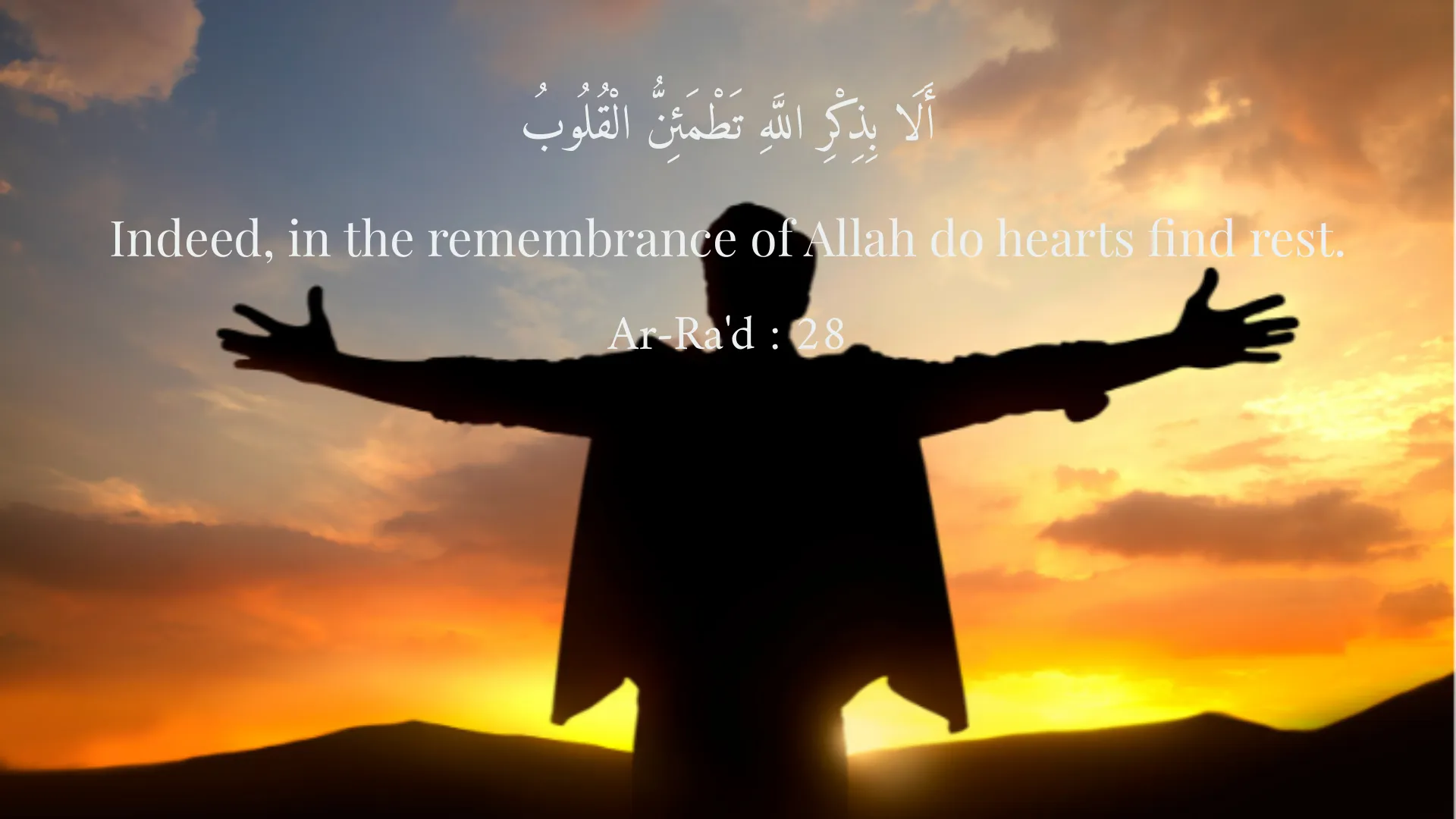
The concept of remembrance in the Islamic faith holds profound significance, particularly illustrated in the Holy Quran. Among its many teachings, the Quran reflects on the importance of remembering God as a means to attain peace, comfort, and tranquility for the soul. The verse from Surah Ar-Ra'd, 28—'Verily, in the remembrance of Allah do hearts find rest'—serves as a testament to the transformative power of this remembrance. This passage encapsulates the idea that remembering God is not merely an act of piety but a deeply spiritual practice that liberates individuals from the heaviness of earthly concerns and anxieties. The dynamics of modern life can often overwhelm us with stress, uncertainty, and emotional turmoil. Daily responsibilities, work pressures, and personal challenges can create an environment that feels chaotic and unmanageable. In the face of such adversity, many people search for various methods to cope, often turning to external substances and distractions in their pursuit of comfort. However, the Quran presents a powerful alternative—engaging in the remembrance of Allah. This remembrance serves as a refuge for many, allowing individuals to experience a unique sense of calmness and security amidst turmoil. Engaging in the remembrance of Allah, or Dhikr, involves invoking God’s names and attributes through prayer, supplication, and reflection. This practice is mentioned throughout the Quran and hadith, where it reinforces the notion that when one consciously turns their attention to the Divine, a profound transformation occurs within the heart and mind. The act of recalling our Creator acts like a reset button for the psyche, allowing us to step back from our worries and gain a clearer perspective on our lives. Through this practice, individuals often find themselves better equipped to handle life's challenges with grace and poise. Research in psychology echoes many of these sentiments; mindfulness practices that encourage individuals to focus on the present moment, such as meditation and prayer, have been shown to alleviate stress and enhance emotional well-being. This convergence of spirituality and mental health speaks to the universal benefits of engaging in practices that promote peace of mind. In Islam, remembrance provides such a channel, enabling believers to foster a deeper connection with their Creator while simultaneously reaping psychological benefits. The Quran speaks extensively about the importance of remembering God as a means to cultivate a better moral and ethical framework within ourselves. It suggests that remembering Allah helps purify the heart, enabling individuals to respond to challenges and conflicts with greater awareness and inner calm. When one's heart is at peace, it creates a ripple effect, influencing not only the individual but also those around them. People's demeanor, decisions, and interactions transform positively when they are grounded in their faith, ultimately contributing to a more harmonious community. Moreover, frequent remembrance of Allah paves the way for a more profound understanding of life’s purpose. It encourages believers to look beyond superficial wants and desires, urging them to reflect on their eternal journey. This realization can be liberating; acknowledging that life is fleeting empowers individuals to prioritize what truly matters—connection with their Creator, ethical living, and community service—thereby fostering a life infused with compassion and purpose. In light of these Islamic teachings, it becomes clear that remembrance is not solely an individual practice but also a collective responsibility within the Muslim community. Encouraging each other to engage in Dhikr can serve as a means of strengthening communal bonds and providing support in times of distress. Participating in group prayers, discussions of scripture, and communal acts of charity are all avenues through which members of the community can remind each other of God, collectively reaping the benefits of remembrance. While life's challenges can often feel insurmountable, remembrance offers hope and strength. It allows individuals to cultivate patience and perseverance, equipping them with the tools necessary to navigate the complexities of life. Every moment spent in remembrance diminishes the hold that negative thoughts and emotions have over us, replacing them with a sense of security rooted in faith and trust in Allah's wisdom. In conclusion, the remembrance of Allah is a profound source of peace and solace, as beautifully encapsulated in the verse from Surah Ar-Ra'd. Through engaging in this practice, individuals can liberate themselves from daily stressors and cultivate a peaceful state of mind. The Quran not only encourages recognition of God’s presence in our lives but also highlights the transformative impact that remembrance has on the soul. In a world rife with challenges, the simple act of remembering Allah brings comfort, clarity, and a deep sense of fulfillment. By actively engaging in this practice, individuals can reclaim their sense of purpose and navigate life’s tumultuous waters with tranquility and assurance. Ultimately, through the remembrance of Allah, hearts find rest, guiding believers toward an enriched and meaningful existence.
Related Verses
أَلَا بِذِكْرِ اللَّهِ تَطْمَئِنُّ الْقُلُوبُ
Indeed, in the remembrance of Allah do hearts find rest.
Ar-Ra'd : 28
فَاذْكُرُونِي أَذْكُرْكُمْ ۖ وَاشْكُرُوا لِي وَلَا تَكْفُرُونِ
So remember Me; I will remember you. And be grateful to Me and do not deny Me.
Al-Baqarah : 152
Short Story
One day, a man named Ali was hiding many secrets in his heart and needed peace. He recalled a verse from the Quran that said, 'Indeed, in the remembrance of Allah do hearts find rest.' This verse led him to remember God and engage in worship. Ali began to pray and recite praises, and gradually felt that his heart found more peace and his problems seemed less daunting. He realized that the remembrance of Allah was the key to true tranquility.