Quranic Answer
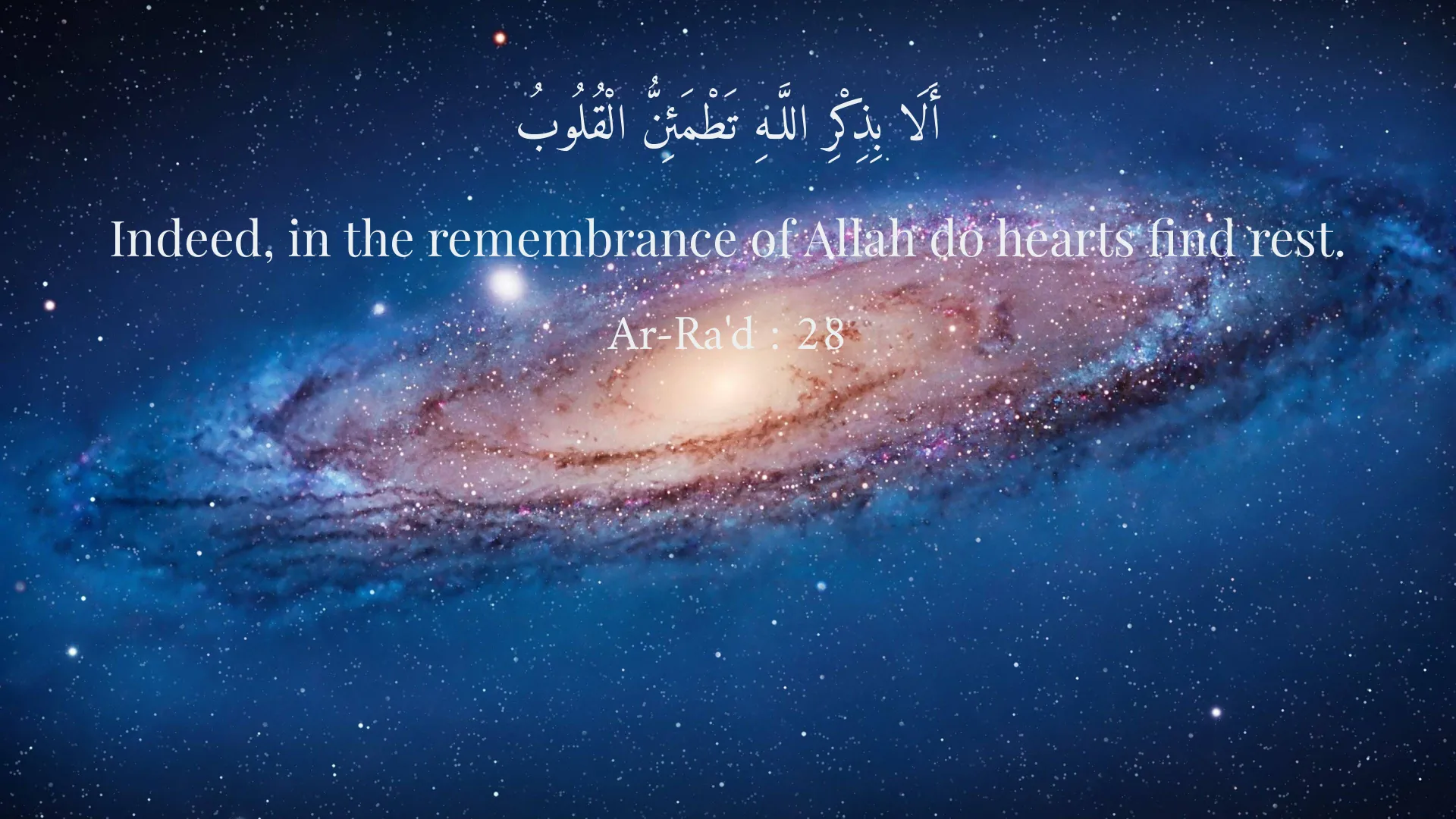
The significance of the remembrance of God, or Dhikr, is a theme woven throughout the verses of the Holy Quran. As believers, engaging in this remembrance is pivotal not just for spiritual fulfillment but also for achieving mental clarity and strength. One of the most compelling verses pertaining to this aspect is found in Surah Ar-Ra'd, verse 28, which states: "Indeed, in the remembrance of Allah do hearts find rest." This powerful proclamation encapsulates the essence of finding peace and tranquility in a world often filled with chaos and uncertainty. In a fast-paced society where stress and anxiety have reached unprecedented levels, the act of remembering God becomes a sanctuary for the soul, allowing individuals to slow down and reconnect with their spiritual essence. The verse from Surah Ar-Ra'd serves as a reminder that through the remembrance of Allah, individuals can attain a state of tranquility that transcends the turmoil of daily life. It emphasizes that spiritual serenity is more than a fleeting feeling; it is a profound state of being that lays the foundation for mental strength and resilience. As we grapple with the various challenges presented in life, whether they be personal, social, or professional, the remembrance of God grants us the clarity to approach each situation logically and rationally. This perspective equips individuals with a sense of purpose and direction, enabling them to navigate through life's complexities. Furthermore, in Surah Al-Baqarah, verse 152, Allah reminds us: "So remember Me; I will remember you." This reciprocal relationship between the believer and God highlights the significance of maintaining a consistent remembrance of Allah. The act of remembering God fosters a profound connection, allowing believers to draw from divine support and guidance in their lives. When we actively engage in Dhikr, our thoughts and feelings align with divine wisdom, which helps in honing our cognitive abilities and decision-making processes. The importance of this relationship cannot be overstated. The act of remembering God needs to be seen not just as a ritualistic practice but as a transformative experience that impacts our thought processes and decisions. The constant acknowledgment of the divine presence nurtures a sense of security and stability within. It encourages believers to cultivate a mindset that prioritizes faith over fear and hope over despair. This shift in mindset is fundamental in developing sound reasoning and compassionate perspectives toward oneself and others. Moreover, in Surah Al-Mu’minun, verse 60, we find another illuminating insight: "And those who have hope in their Lord." This particular verse magnifies the link between hope and the remembrance of Allah. When individuals remember God, they cultivate hope, which is a vital driving force in overcoming obstacles and persevering through tough times. The stronger one's hope in Allah, the more resilient and patient they become in facing the trials of life. This hope is not an empty expectation but rather a profound belief that sustains one’s spirit and fosters a positive mental attitude. Through the unwavering practice of Dhikr, individuals often find an enhanced capacity for endurance and patience when confronted with limitations and challenges. They begin to see tests and trials in a different light—not as burdens but as opportunities for growth and learning. This perspective transforms the way they cope with hardships, encouraging them to make more thoughtful and rational decisions based on faith and sound judgment. Furthermore, the consistent recollection of God fortifies an individual's intellectual and emotional faculties, allowing for deeper reflection and better identificational alignment with life’s objectives. When one regularly engages in Dhikr, it cultivates mindfulness and requires setting aside distractions to focus on the important aspects of life. This self-reflection ultimately enables individuals to identify what truly matters in their lives—be it family, career, or personal development. Another dimension of Dhikr is its potential to foster a sense of community and solidarity among believers. When individuals come together to remember God, it strengthens their bond and reinforces shared values. Community remembrance, whether through prayer, group gatherings, or simple conversations about the divine, fosters unity and collective strength. The power of collective Dhikr emerges as a source of support, especially during trying times, allowing individuals to lean on each other and uplift one another in faith and spirit. In conclusion, the remembrance of God is a vital aspect of a believer’s life, beneficial for both spiritual and mental well-being. It fosters tranquility, enhances cognitive abilities, builds resilience, and nurtures a hopeful perspective essential for overcoming life’s challenges. As we navigate through the complexities of our daily lives, engaging in Dhikr enables us to maintain a balanced perspective, allowing us to make decisions rooted in faith, reflection, and understanding. Thus, the remembrance of Allah is not merely a spiritual act; it is a powerful tool for personal growth and mental clarity, guiding us towards fulfilling our life’s objectives with purpose and conviction. The Holy Quran vividly illustrates these benefits, encouraging believers to embrace the remembrance of God wholeheartedly for a more peaceful, rational, and fulfilling life.
Related Verses
أَلَا بِذِكْرِ اللَّـهِ تَطْمَئِنُّ الْقُلُوبُ
Indeed, in the remembrance of Allah do hearts find rest.
Ar-Ra'd : 28
فَاذْكُرُونِي أَذْكُرْكُمْ
So remember Me; I will remember you.
Al-Baqarah : 152
وَالَّذِينَ هُمْ بِرَبِّهِمْ يَرْجُونَ
And those who have hope in their Lord.
Al-Mu’minun : 60
Short Story
Once upon a time, a young man named Sajjad felt overwhelmed by his daily tasks and sensed a lack of satisfaction in life. One day, he said to a friend, 'How can I find peace?' His friend replied, 'Sajjad, have you forgotten the remembrance of God? With His remembrance, hearts find peace.' Sajjad began to pray and remember God, and soon felt a greater sense of calm in his life.