Quranic Answer
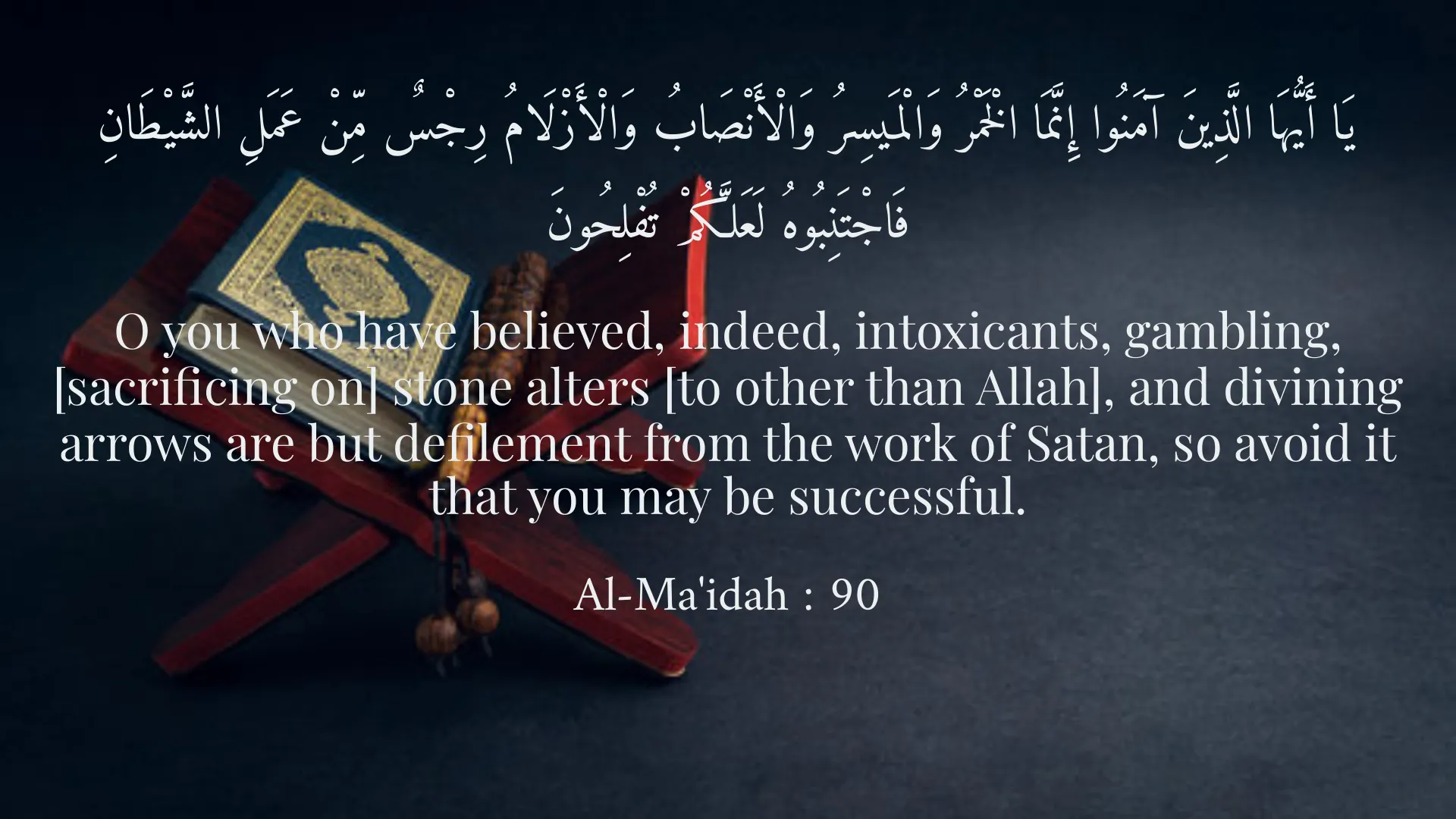
The Holy Quran, revered as the ultimate guide and spiritual document for Muslims, delves deeply into various aspects of sin and its profound effects on the human soul. Sin, defined as an act that violates divine law and moral codes, holds significant repercussions not only on an individual's spiritual wellbeing but also on their relationship with God. In a world where temptations are abundant and moral boundaries often blurred, understanding the concept of sin as presented in the Quran is more critical than ever. At its core, the Quran emphasizes the idea that sin is an undesirable act – one that leads individuals away from the path of righteousness and distances them from God's mercy. This theme is prevalent throughout the Quran and is reinforced through an array of verses that provide clear guidance on avoiding sinful behaviors. For instance, in Surah Al-Ma'idah, verse 90, it is stated: 'O you who have believed, indeed, intoxicants, gambling, [sacrificing on] stone altars [to other than Allah], and divining arrows are but defilement from the work of Satan, so avoid it that you may be successful.' This verse explicitly outlines several practices that are deemed sinful and harmful to the soul. The categorization of actions such as intoxicants and gambling highlights how involvement with worldly pleasures can be detrimental. Intoxicants serve to cloud judgment and impair moral reasoning, leading individuals to engage in behaviors that could further distance them from their faith and community. Similarly, gambling is illustrated as a vice that breeds addiction and can result in significant emotional and financial distress for individuals and their families. By addressing these sins, the Quran serves as a protective guide, urging believers to steer clear of forces that lead them down a path of misery and spiritual decay. Moreover, the Quran illustrates that the consequences of sin are not only earthly but also transcend into the spiritual realm. Engaging in sinful acts can result in a spiritual stain that hampers one’s relationship with God, creating barriers that inhibit divine grace and forgiveness. The idea that sinful behavior can be a source of defilement emphasizes the importance of self-discipline and the pursuit of spiritual purity. This understanding is pivotal in the Islamic faith, as believers are encouraged to cultivate their souls through righteous deeds, thereby fostering a strong, loving relationship with Allah. Furthermore, the Quran does not merely present the act of sin as a definitive state but provides a remedy: repentance. In Surah At-Tawbah, verse 112, Allah assures believers of His mercy and readiness to forgive when they sincerely seek repentance. The verse states: 'Indeed, the believers who repent, who worship, who praise, who fast, who bow and prostrate, who enjoin what is right and forbid what is wrong, and those who observe the limits of Allah will be given a great reward.' This passage encapsulates the essence of returning to God after committing sins. It encourages a comprehensive approach to repentance, which is not solely about seeking forgiveness but also involves actively engaging in worship and self-improvement. The practice of enjoining what is right and forbidding what is wrong is vital within this context. Believers are called to participate in the moral upliftment of society, holding themselves and others accountable for maintaining ethical standards. This action not only purifies their own souls but also fosters a communal atmosphere where righteousness can thrive. The collective effort in promoting virtue and condemning vice, as indicated in this verse, serves as a powerful reminder of the importance of community in the Islamic faith. Repentance, in the broader sense, can be described as a transformative journey. When individuals turn back to God, confess their misdeeds, and strive to amend their behaviors, they undergo a process that can lead to inner healing and the reclamation of their spiritual essence. The Quran reassures believers that no matter how grave a sin may be, God's mercy surpasses it. The prayer and supplication that accompany heartfelt repentance can cleanse the soul, allowing individuals to emerge renewed, with a revived spirit attuned to divine guidance. It is crucial to consider the emotional and psychological aspects tied to sin and repentance. When individuals engage in sinful behaviors, they often face guilt, shame, and despondency as repercussions. This emotional baggage can lead to a downward spiral where a person feels unworthy of God's love and mercy. However, through acknowledgment of their faults and the pursuit of repentance, they can unburden themselves from this heavy load. The act of turning back to God can be cathartic, granting a sense of solace and hope. This is a profound idea embedded in the Quran and serves as a testament to the compassionate nature of God that encourages His followers to find their way back to Him regardless of their past. In summary, the Holy Quran articulates a poignant message regarding sin, its effects on the human soul, and the path to redemption through repentance. By stressing the negative consequences of sin, it serves as both a warning and a guide for believers to embrace a righteous way of living that aligns with divine values. The verses illuminate the importance of avoiding sinful actions, fostering a community grounded in moral principles, and cultivating a personal relationship with God through repentance. Ultimately, the teachings of the Quran reveal that while sin may taint the spirit, the journey of returning to God — marked by humility, worship, and sincere effort — allows for purification and the eventual awakening of the soul to the profound mercy of Allah.
Related Verses
يَا أَيُّهَا الَّذِينَ آمَنُوا إِنَّمَا الْخَمْرُ وَالْمَيسِرُ وَالْأَنْصَابُ وَالْأَزْلَامُ رِجْسٌ مِّنْ عَمَلِ الشَّيْطَانِ فَاجْتَنِبُوهُ لَعَلَّكُمْ تُفْلِحُونَ
O you who have believed, indeed, intoxicants, gambling, [sacrificing on] stone alters [to other than Allah], and divining arrows are but defilement from the work of Satan, so avoid it that you may be successful.
Al-Ma'idah : 90
إِنَّ التَّائِبِينَ وَالْعَابِدِينَ وَالْحَامِدِينَ وَالْصَّائِمِينَ وَالْخَاشِعِينَ وَالْمُنفِقِينَ وَالْمُتَوَكِّينَ عَلَى اللَّهِ، أُولَـئِكَ هُمْ رُوحُهُمْ في جوهرها، وهي مستجيبة لأصوات النية الطيبة.
Indeed, the believers who repent, who worship, who praise, who fast, who bow and prostrate, who enjoin what is right and forbid what is wrong, and those who observe the limits of Allah will be given great reward.
At-Tawbah : 112
Short Story
One day, a young man named Amir was reflecting on his actions and how he could feel lighter and happier. He recalled an old teacher who always said, 'Repentance is the best way to salvation.' After that, Amir decided to leave all his sins behind and return to God through prayer and supplication. He did so and soon felt a sense of relief in his heart, sensing that the scent of sin had no longer remained in his soul.