Quranic Answer
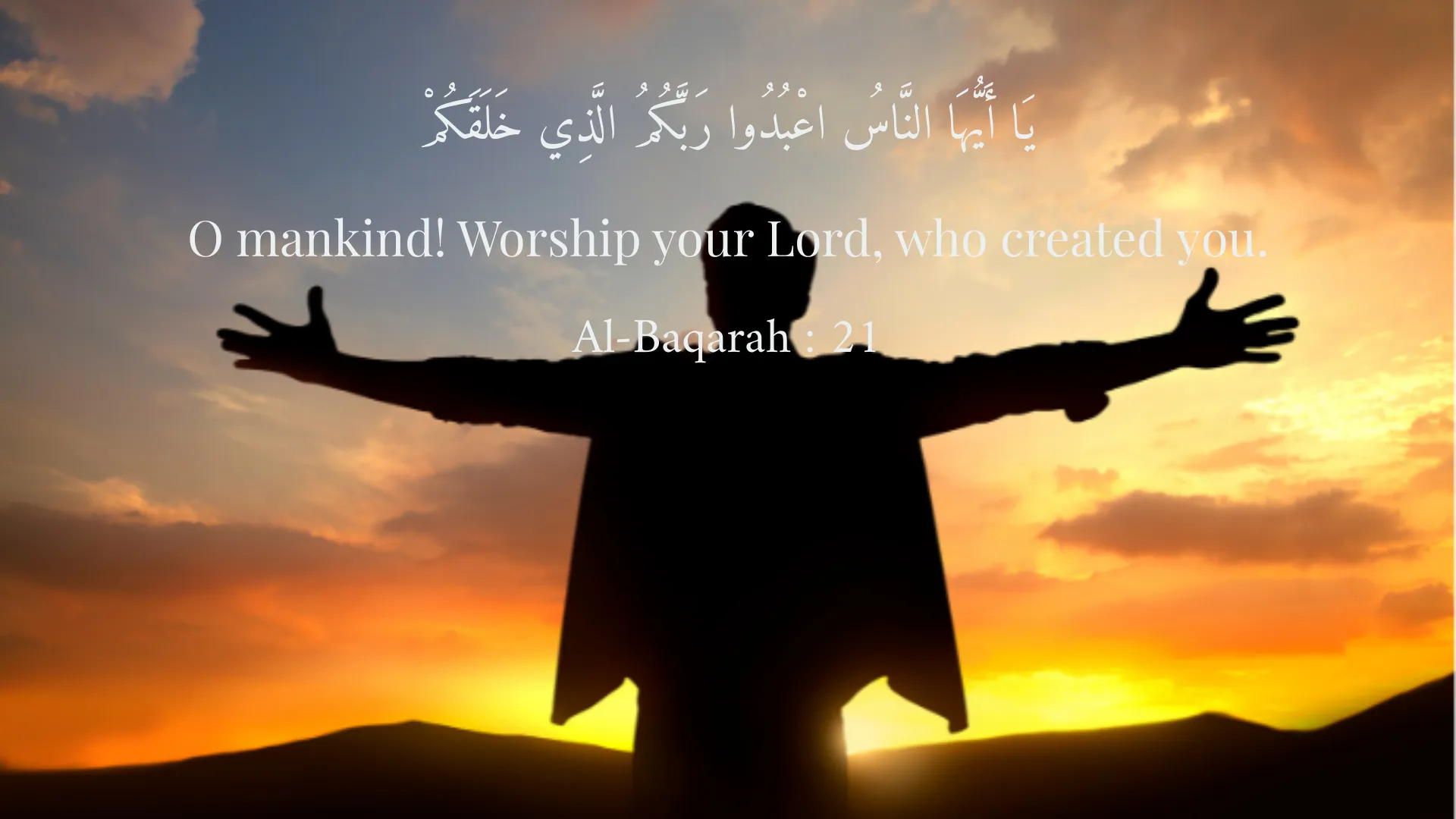
Worship holds a central position in the teachings of the Holy Quran, reflecting its significance in the spiritual lives of believers. This article aims to explore the meaning of worship in Islam, its intended purpose, and the emphasis placed on sincere intention and knowledge of God. Through various verses from the Quran, we will delve into the foundational aspects of worship and the consequences of performing it without genuine intent. Understanding Worship in Islam Worship, in the Islamic context, refers to acts of devotion and obedience directed towards God, the Creator of the universe. It encompasses a wide range of activities, including prayer (Salah), fasting (Sawm), almsgiving (Zakat), and pilgrimage (Hajj), as well as the intention behind everyday actions. According to Islamic theology, worship serves as a means for individuals to express their gratitude, submission, and love for God. It is essential to understand that worship is not merely a ritualistic obligation but a profound act of reverence that necessitates a deep connection with the Divine. The Qur'anic Emphasis on Worship with Intention In Surah Al-Baqarah, verse 21, Allah instructs humanity, "O mankind! Worship your Lord, who created you." This verse highlights the fundamental principle that worship should originate from a sincere intention. Sincerity in worship signifies an individual’s recognition of God's greatness and a desire to draw closer to Him. Without a proper purpose and intention, the act of worship risks becoming a hollow ritual devoid of meaning. The Quran stresses that the recognition of God’s attributes, such as His mercy, omnipotence, and wisdom, is imperative for sincere worship. A follower who engages in prayer without understanding the greatness of God cannot fully appreciate the significance of their devotion. Moreover, the emphasis on sincerity is reiterated in Surah Adh-Dhariyat, verse 56, where Allah states, "And I did not create the jinn and mankind except to worship Me." This asserts that the very foundation of human existence is rooted in the purpose of worshiping Allah. The implication is that worship must be a conscious choice rather than a mechanical action; it should stem from a heartfelt acknowledgment of the Creator’s existence. Worship without Purpose: The Dangers The issue of performing worship without proper intention extends beyond mere futility; it can divert individuals from the righteous path. In Surah Al-An'am, verse 162, Allah declares, "Say, indeed, my prayer, my rites of sacrifice, my living and my dying are for Allah, Lord of the worlds." This verse underscores that worship should permeate every aspect of existence and resonate with the divine purpose. Engaging in rituals without the knowledge of why they are performed can lead to misguided beliefs and practices. When believers carry out acts of worship only for the sake of habit or societal expectation, they miss the essence of what it means to connect with God. Superficial worship may lead an individual to consider the performance of rituals as an end in itself rather than a means to foster personal growth and spiritual elevation. Consequently, the soul remains unfulfilled, and the individual could find themselves drifting away from the true path of enlightenment. The Role of Knowledge in Worship Knowledge plays a crucial role in enhancing the quality of worship. Understanding the attributes of Allah and the purpose behind worship enriches a believer's experience. Allah has bestowed upon humanity the gift of intellect, enabling individuals to contemplate their existence, the purpose of life, and the nature of the Creator. The more knowledge one acquires regarding the teachings of Islam, the more profound their worship can be. In turn, this leads to a more fulfilling spiritual life that aligns with the divine will. Moreover, the pursuit of knowledge goes hand in hand with sincere worship. The Prophet Muhammad (peace be upon him) emphasized the importance of seeking knowledge as a means of understanding the religious texts and the significance of worshiping Allah. Through studying the Quranic verses and the teachings of the Prophet, believers can cultivate their faith, ensuring that their acts of worship are deliberate and meaningful. The Necessity of Sincerity in Worship Sincerity, known as Ikhlas in Arabic, is fundamental to acceptable worship in Islam. It is the quality of performing deeds purely for the sake of Allah, without any ulterior motives. The Quran repeatedly highlights the importance of this quality, encouraging believers to seek Allah’s pleasure above all else. As stated in Surah Al-Baqarah, verse 267, "O you who have believed, spend from the good things which you have earned and from that which We have produced for you from the earth. And do not aim for that which is vile to spend from it while you would not take it yourself except with closed eyes…" This verse conveys the importance of genuine sincerity in the acts of worship and charitable giving. Consequences of Insincere Worship Performing worship without sincerity can lead to detrimental spiritual consequences. The Quran serves as a reminder that acts of worship devoid of pure intentions risk being rendered void. The purpose of worship is to attain nearness to God, and if that intention is lacking, the individual may find themselves spiritually empty and distanced from the Creator. The reliance on external validations, such as social recognition or praise, can further divert believers from genuine worship and induce a sense of spiritual malaise. In summary, worship is an indispensable aspect of the Islamic faith and represents a profound connection between humanity and the Divine. The Quran underscores the significance of sincere intention and knowledge in the practice of worship. Believers are urged to understand the underlying purpose of their acts of devotion, as well as to recognize the consequences of performing worship without genuine intent. Engaging in worship with knowledge and sincerity not only fulfills the objective of worship itself but also enriches the believer's spiritual journey. Thus, it is pertinent that Muslims reflect upon their worship practices, ensuring that they remain rooted in heartfelt devotion and a deep understanding of the majesty of Allah. This commitment to sincere worship not only enhances individual spirituality but also fosters a sense of community, peace, and understanding in a diverse world.
Related Verses
يَا أَيُّهَا النَّاسُ اعْبُدُوا رَبَّكُمُ الَّذِي خَلَقَكُمْ
O mankind! Worship your Lord, who created you.
Al-Baqarah : 21
وَما خَلَقتُ الجِنَّ والإنسَ إِلّا لِيَعْبُدونِ
And I did not create the jinn and mankind except to worship Me.
Adh-Dhariyat : 56
قُلْ إِنَّ صَلَاتِي وَنُسُكِي وَمَحْيَايَ وَمَمَاتِي لِلَّهِ رَبِّ الْعَالَمِينَ
Say, indeed, my prayer, my rites of sacrifice, my living and my dying are for Allah, Lord of the worlds.
Al-An'am : 162
Short Story
One day, a young man was pondering over his life. He wondered whether his worship was purposeful or not. He decided to study the verses of the Quran and realized that worship must have a spiritual intention and purpose. After recognizing this truth, he continued his acts of worship with sincere and purposeful intentions, leading his life to greater peace and happiness.