Quranic Answer
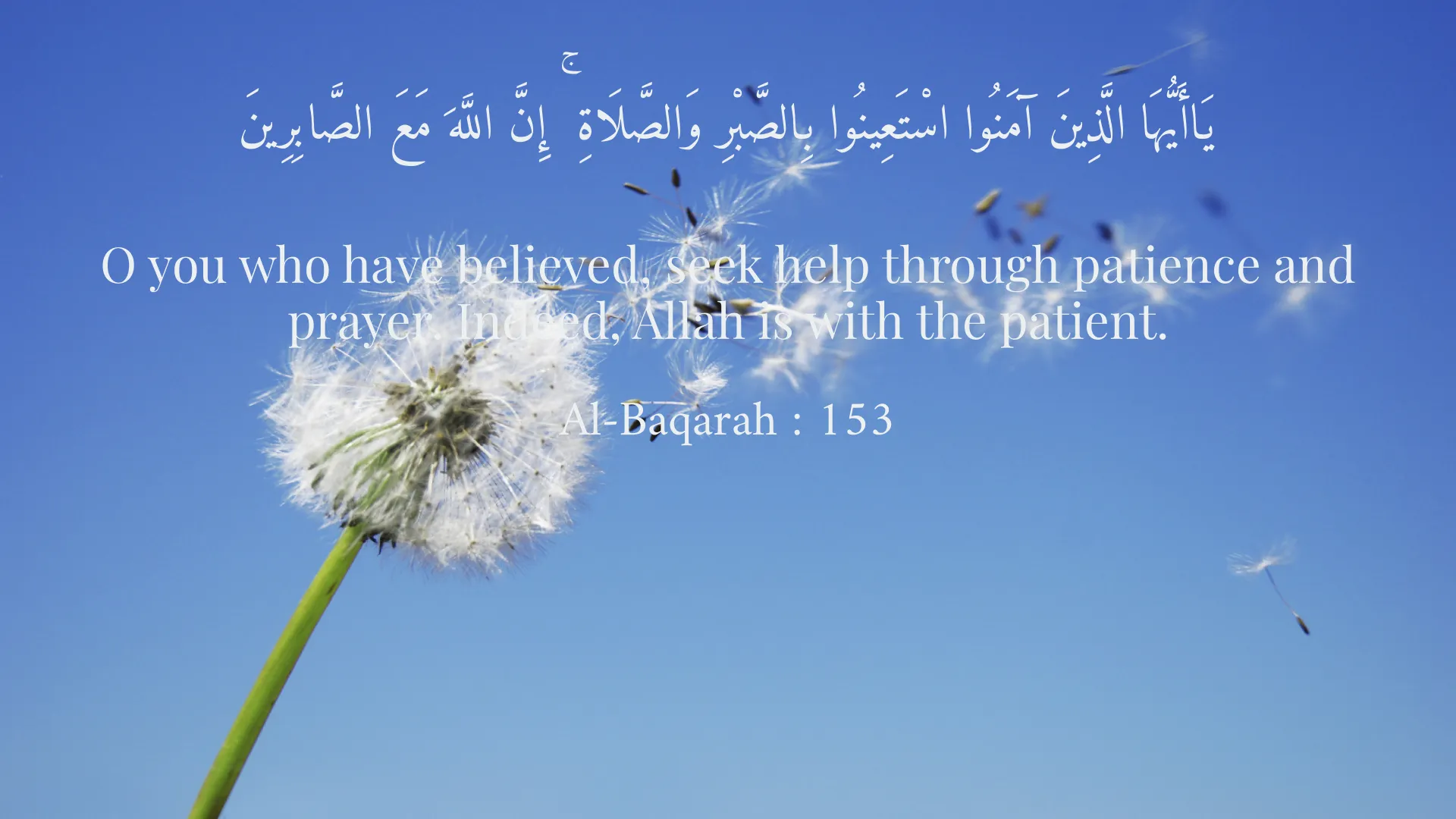
A broken heart is a deeply human experience that almost everyone encounters at some point in their lives, whether due to the loss of a loved one, failure in relationships or career, or even the dashing of long-held dreams. The Holy Quran, this divine book of guidance, offers profound and comprehensive solutions for healing the soul and alleviating heartaches. These solutions serve as a guiding light not only in difficult moments but throughout life. One of the most crucial principles emphasized by the Quran for healing a broken heart is patience (Sabr). Patience is not merely passive endurance but an active resistance accompanied by reliance on and hope in divine mercy. In Surah Al-Baqarah, verse 153, Allah says: "O you who have believed, seek help through patience and prayer. Indeed, Allah is with the patient." This verse clearly indicates that patience and prayer are two powerful tools for confronting suffering and mending spiritual wounds. Patience helps us to accept the pain without being overwhelmed by it, while prayer establishes our connection with the inexhaustible source of power and tranquility, which is Allah. Indeed, whenever a heart is broken, the first step can be to seek refuge in patience and trust in a God who is closer to us than our jugular vein and more aware of our heart's condition. The second vital remedy offered by the Quran for a broken heart is the remembrance of Allah (Dhikrullah). The human heart is naturally inclined towards its Creator and finds true peace only in connection with Him. In Surah Ar-Ra'd, verse 28, Allah states: "Those who have believed and whose hearts are assured by the remembrance of Allah. Unquestionably, by the remembrance of Allah hearts are assured." This verse expresses a profound psychological and spiritual truth. In the depths of sorrow and grief, when everything seems dark, the remembrance of Allah—through Tasbih, Tahlil, or even simply contemplating His greatness and mercy—can illuminate our hearts. The remembrance of Allah is like water poured on the fire of the heart, quenching the flames of grief. This continuous reminder that "Allah is with us" and that He is capable of all things reassures broken hearts and saves them from despair. Furthermore, the Quran places great emphasis on supplication (Du'a) and communion with Allah. Du'a is not merely asking; it is the pinnacle of submission and intimate connection with God. When the heart is broken, feelings of loneliness and isolation can overwhelm a person. In such circumstances, making Du'a provides an opportunity to share all our pains, fears, and desires with the One who is both All-Hearing and capable of changing situations. In Surah Ghafir, verse 60, Allah says: "And your Lord says, 'Call upon Me; I will respond to you...'" This verse is a warm and inviting call to connect with the Creator. Du'a not only brings comfort but also keeps hope alive by believing in Allah's power to respond. Even if we cannot utter words, our cries and tears are heard by Him, and this itself is a great solace. Another important aspect in the Quran is the perspective of worldly life as a temporary passage and a divine test. In Surah Al-Hadid, verse 20, Allah says: "Know that the life of this world is only amusement and diversion and adornment and boasting among yourselves and competition in increase of wealth and children..." This view of the world helps us detach from excessive attachment to worldly affairs. When a heart breaks due to the loss of something worldly, understanding that nothing in this world is permanent and that everything we lose is, in fact, a test for our spiritual growth, can empower us. This perspective does not mean indifference to problems, but rather looking beyond appearances and finding deeper meaning in suffering. Finally, the Quran itself is a healing. In Surah Al-Isra, verse 82, Allah says: "And We send down from the Qur'an that which is a healing and mercy for the believers..." Reading, reflecting upon, and acting upon the verses of the Quran not only grants us insight but also bestows light and tranquility upon the heart and soul that no other remedy can provide. The word of God is like an ointment applied to the heart's wound, healing it. Every verse carries a message of hope, patience, and reliance that is vital for a broken heart. In summary, healing a broken heart, from the Quranic perspective, is a spiritual and internal process that involves seeking refuge in patience, persistent remembrance of Allah, deep connection through Du'a, understanding the temporary nature of this world, and absolute reliance on God. This path not only leads to recovery but also makes the heart stronger, more luminous, and closer to Allah. True healing begins from within and is completed by the light of Quranic guidance.
Related Verses
يَاأَيُّهَا الَّذِينَ آمَنُوا اسْتَعِينُوا بِالصَّبْرِ وَالصَّلَاةِ ۚ إِنَّ اللَّهَ مَعَ الصَّابِرِينَ
O you who have believed, seek help through patience and prayer. Indeed, Allah is with the patient.
Al-Baqarah : 153
الَّذِينَ آمَنُوا وَتَطْمَئِنُّ قُلُوبُهُم بِذِكْرِ اللَّهِ ۗ أَلَا بِذِكْرِ اللَّهِ تَطْمَئِنُّ الْقُلُوبُ
Those who have believed and whose hearts are assured by the remembrance of Allah. Unquestionably, by the remembrance of Allah hearts are assured.
Ar-Ra'd : 28
وَنُنَزِّلُ مِنَ الْقُرْآنِ مَا هُوَ شِفَاءٌ وَرَحْمَةٌ لِّلْمُؤْمِنِينَ ۙ وَلَا يَزِيدُ الظَّالِمِينَ إِلَّا خَسَارًا
And We send down from the Qur'an that which is a healing and mercy for the believers, but it does not increase the wrongdoers except in loss.
Al-Isra : 82
فَإِنَّ مَعَ الْعُسْرِ يُسْرًا
For indeed, with hardship [will come] ease.
Al-Sharh : 5
إِنَّ مَعَ الْعُسْرِ يُسْرًا
Indeed, with hardship [will come] ease.
Al-Sharh : 6
Short Story
In Saadi's Gulistan, it is related that a king asked a wise man: "How is it that despite many troubles, your heart is always at peace?" The wise man replied: "O King, my heart is not attached to anything of this world. Whatever comes, I accept, and whatever goes, I entrust to God. This world is merely a passage. I have tied my heart to the remembrance of my Lord, for He is the only source of tranquility." This tale reminds us that detachment from worldly affairs and seeking refuge in the remembrance of God, even in the hardest moments, can be a balm for broken hearts and bring true peace.